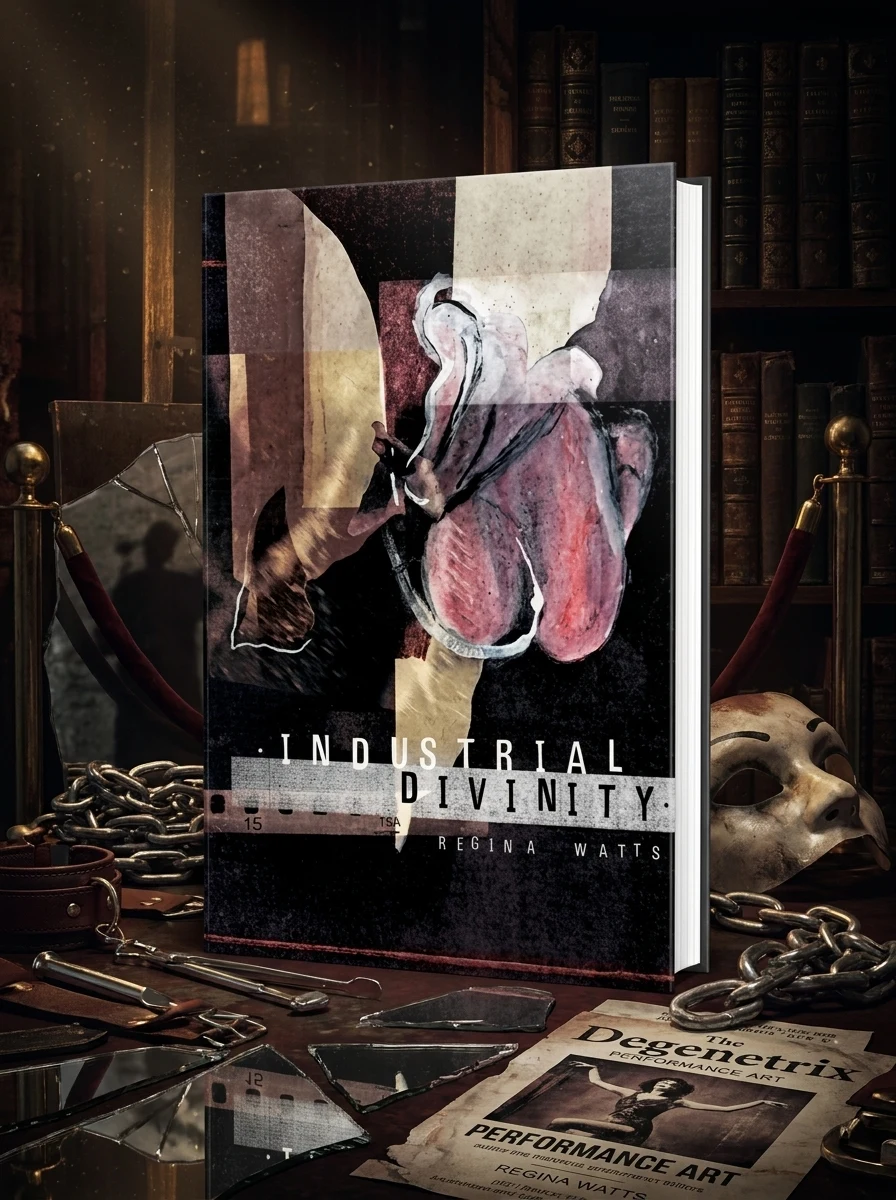
Industrial Divinity: A Splatterpunk Love Story
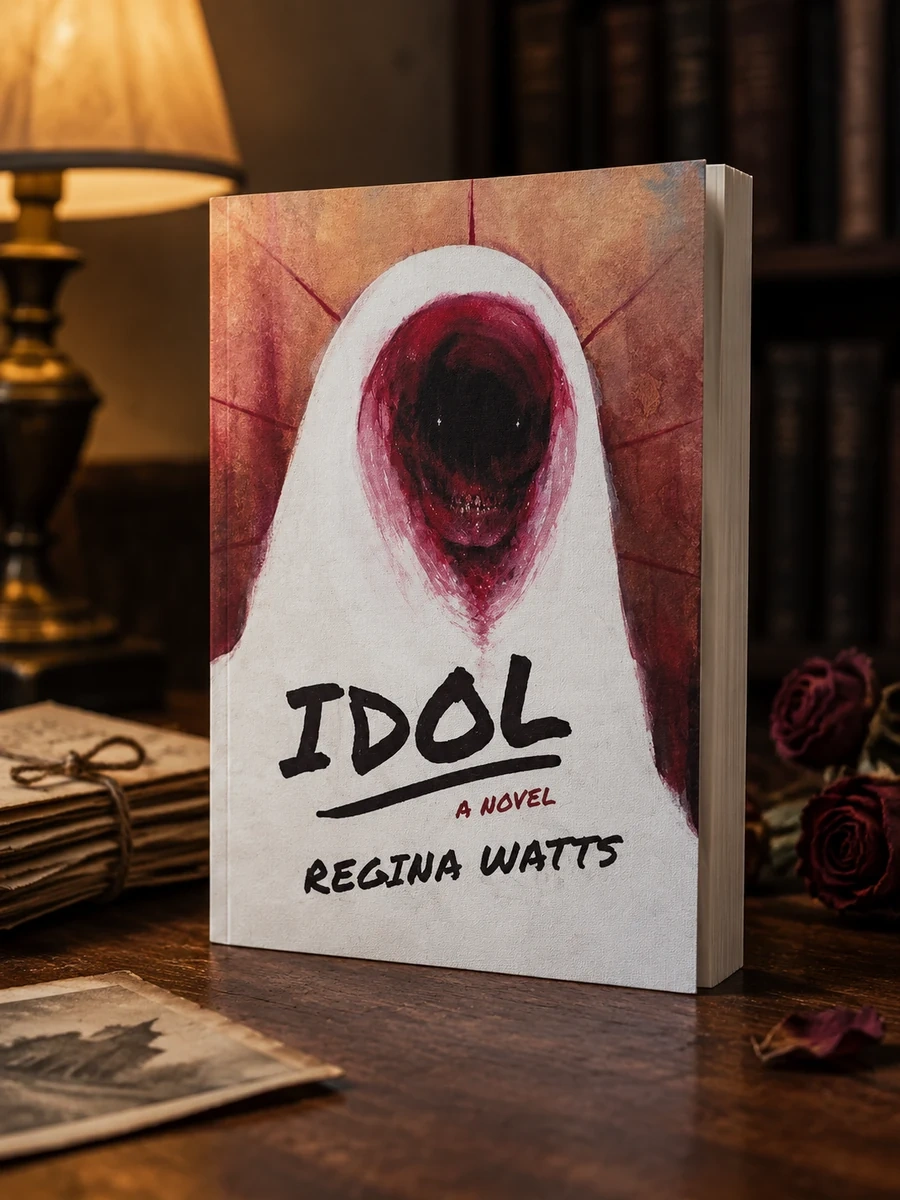
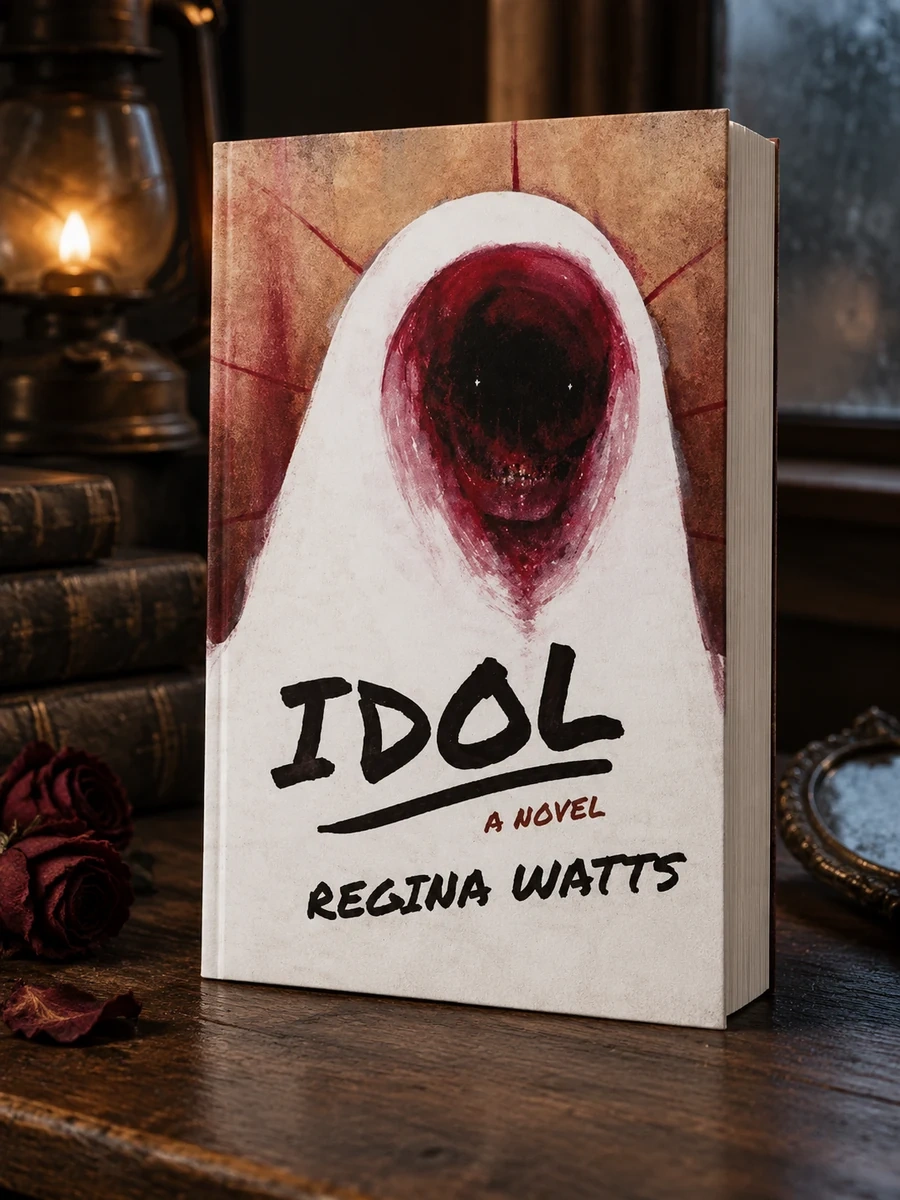
A splatterpunk novel about an immortal woman performing self-mutilation online.
Watts writes a story about a virus and a country afraid of change. The protagonist becomes The Degenetrix to cope with her condition. She performs for a mysterious benefactor who refuses to reveal his identity. The narrative examines love during pandemic times and alienation in an alienated world. It presents pain and lust as connected forces within the human mind. The text claims this is a happy story permitted for readers to enjoy. Empathy remains the central virtue taught by spider-mother. The book uses splatterpunk conventions to discuss post-COVID isolation.
Published in 2020 by Painted Blind Publishing, this novel addresses a post-COVID society. It engages with splatterpunk traditions and gothic horror elements. The work reflects on human alienation and fear of change during a global pandemic.


📝 Description: Industrial Divinity: A Splatterpunk Love Story
💎 Our verdict on Industrial Divinity: A Splatterpunk Love Story
📖 Why choose it
Why this book is worth reading
Readers drawn to transgressive literature and the intersection of psychological horror with societal critique will find this work compelling. It offers a unique exploration of how isolation and fear of change manifest in extreme behaviors, framing pain and lust as connected forces. The narrative challenges conventional boundaries by presenting a dark journey as a 'happy story,' inviting audiences to reconsider empathy and alienation. Those interested in the psychology of digital performance art and the grotesque aesthetics of splatterpunk will appreciate its unflinching look at human resilience and degeneration in a pandemic context.
⭐ Reader reviews
Reader rating
Watts delivers a bold, unsettling examination of immortality and digital alienation through the lens of splatterpunk. The protagonist’s transformation into The Degenetrix provides a visceral metaphor for coping with widespread societal fear. While the content is intense and unsuitable for those seeking light comfort, it succeeds in linking physical violence to emotional longing. The text cleverly subverts genre expectations by framing its horror as a source of connection and virtue. It appeals strongly to fans of dark fantasy and gothic fiction who enjoy complex explorations of love during crisis. The work stands as a significant contribution to discussions on post-COVID isolation, offering a provocative, if disturbing, perspective on the human condition.