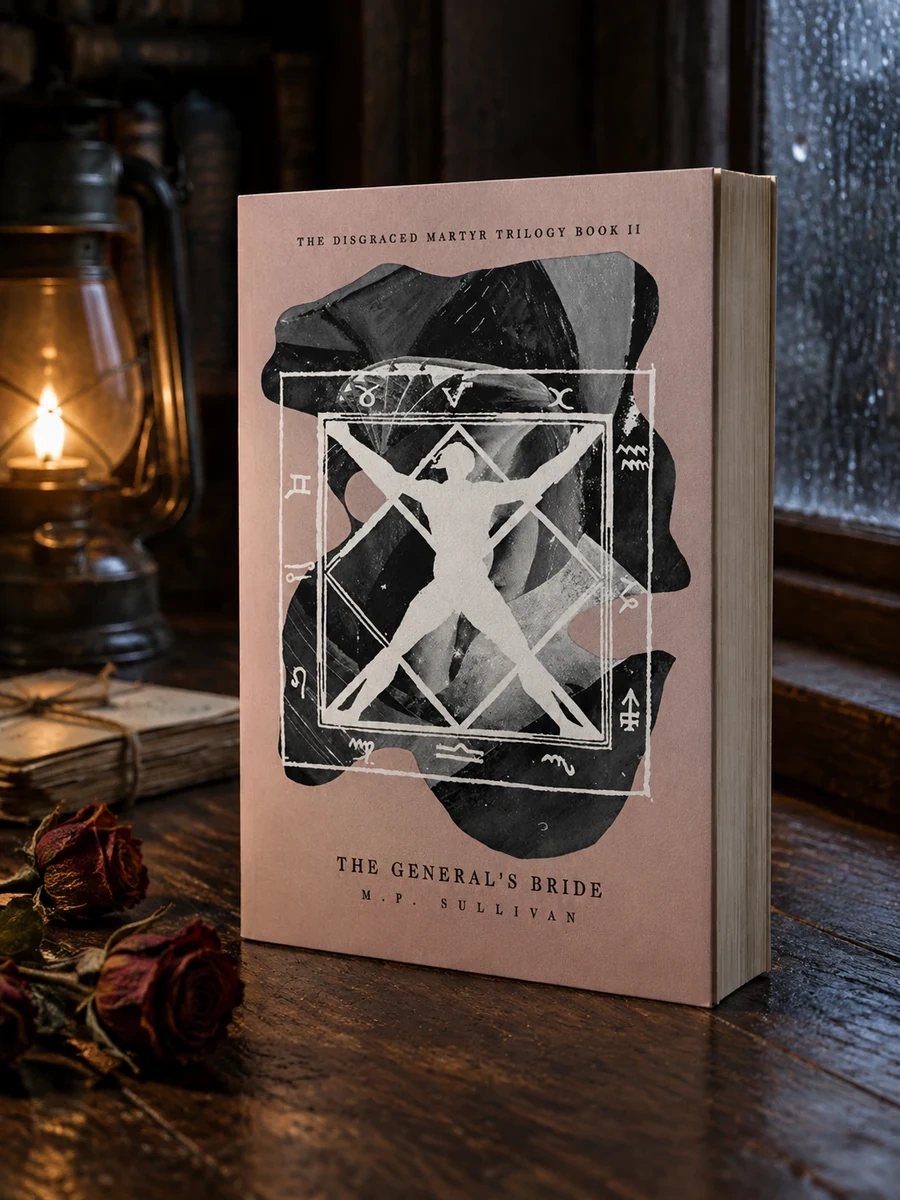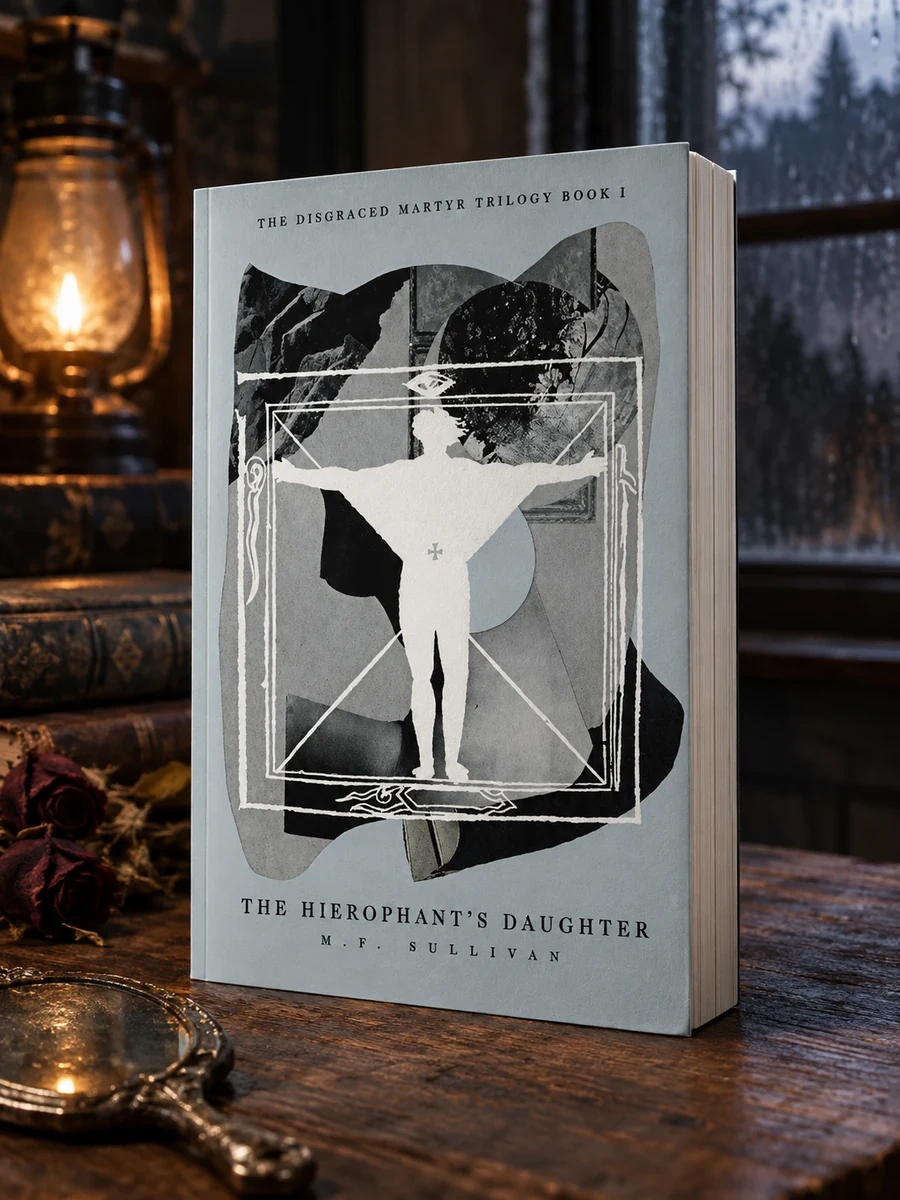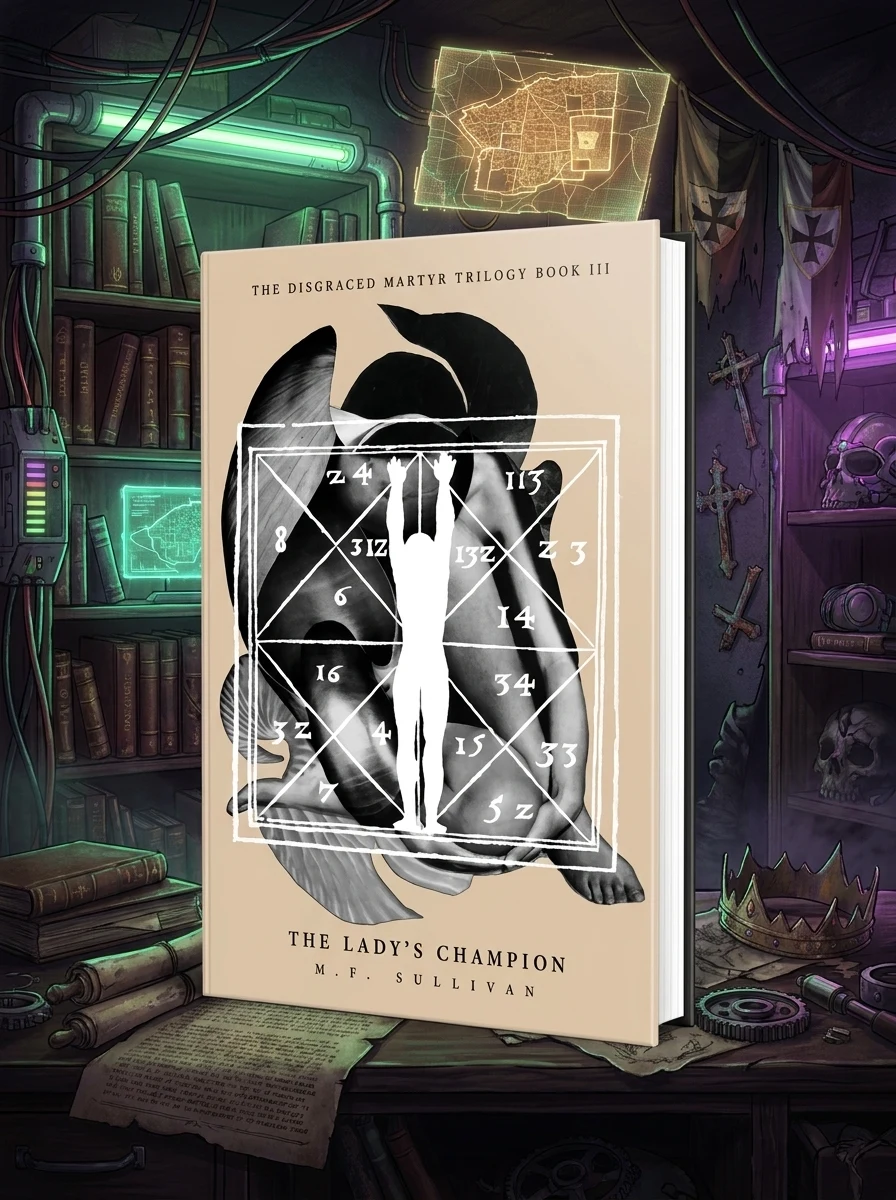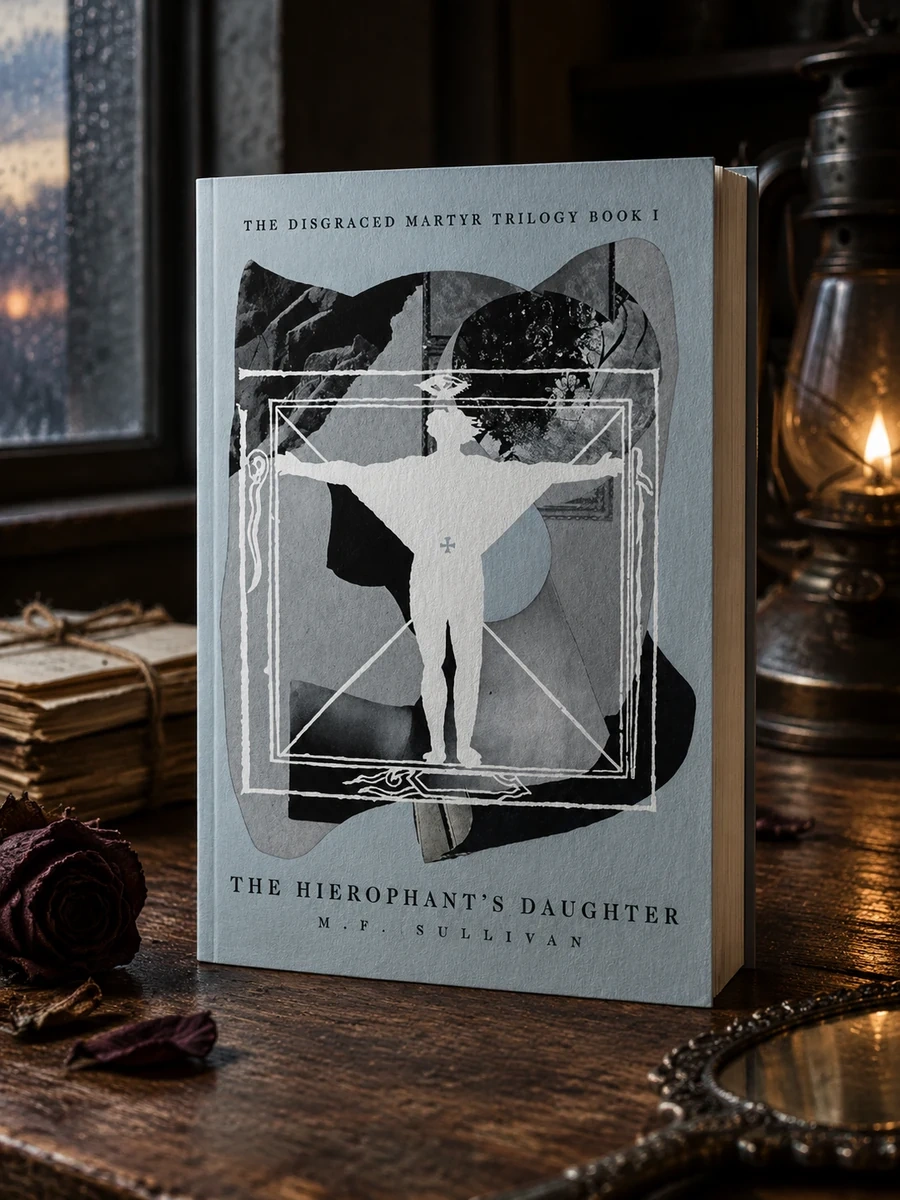

The Hierophant's Daughter
A general defects to save her wife while stopping a cannibalistic army.
The narrative follows Dominia di Mephitoli as she navigates the collapse of order in a world ruled by the Hierophant. Her primary goal is not political victory but the restoration of her spouse, a task that requires her to oppose the very forces she once served. The text examines the cost of loyalty and the nature of faith in a society where martyrs are weaponized. Sullivan uses this premise to question the boundaries between devotion and destruction, showing how personal desperation can fuel larger societal upheavals.
Published by Painted Blind Publishing in 2019, this work sits within the tradition of dystopian science fiction. It draws on gothic themes of martyrdom and religious extremism to create a future where spiritual authority has become a tool for global domination.


📝 Description: The Hierophant's Daughter
💎 Our verdict on The Hierophant's Daughter
📖 Why choose it
Why this book is worth reading
Readers who appreciate character-driven plots where moral ambiguity plays a central role will find this book compelling. It appeals to those interested in speculative fiction that examines the intersection of military duty and supernatural elements, offering a complex look at how personal loss drives political action. The text is ideal for audiences seeking emotional depth over straightforward action, as it focuses on the nuanced motivations of a protagonist navigating a world where religious authority and military power are intertwined. It offers a unique setting for tales of rebellion and hope.
⭐ Reader reviews
Reader rating
Sullivan crafts a compelling dystopian narrative centered on General Dominia di Mephitoli’s quest to resurrect her wife amidst societal collapse. The book excels in exploring the cost of loyalty and the nature of faith in a society where martyrs are weaponized. By intertwining political conquest with private grief, Sullivan creates a rich environment for examining devotion versus destruction. The story avoids simple heroes or villains, instead focusing on complex motivations within a totalitarian regime. It suits readers who enjoy dark fantasy and psychological horror, particularly those who value thematic depth and moral complexity over rapid pacing. The unique setting of religious-military entanglement provides a fresh perspective on rebellion.