In Search of the Unknown
Chambers recounts a terrifying encounter with the unknown through a hesitant first-person perspective.
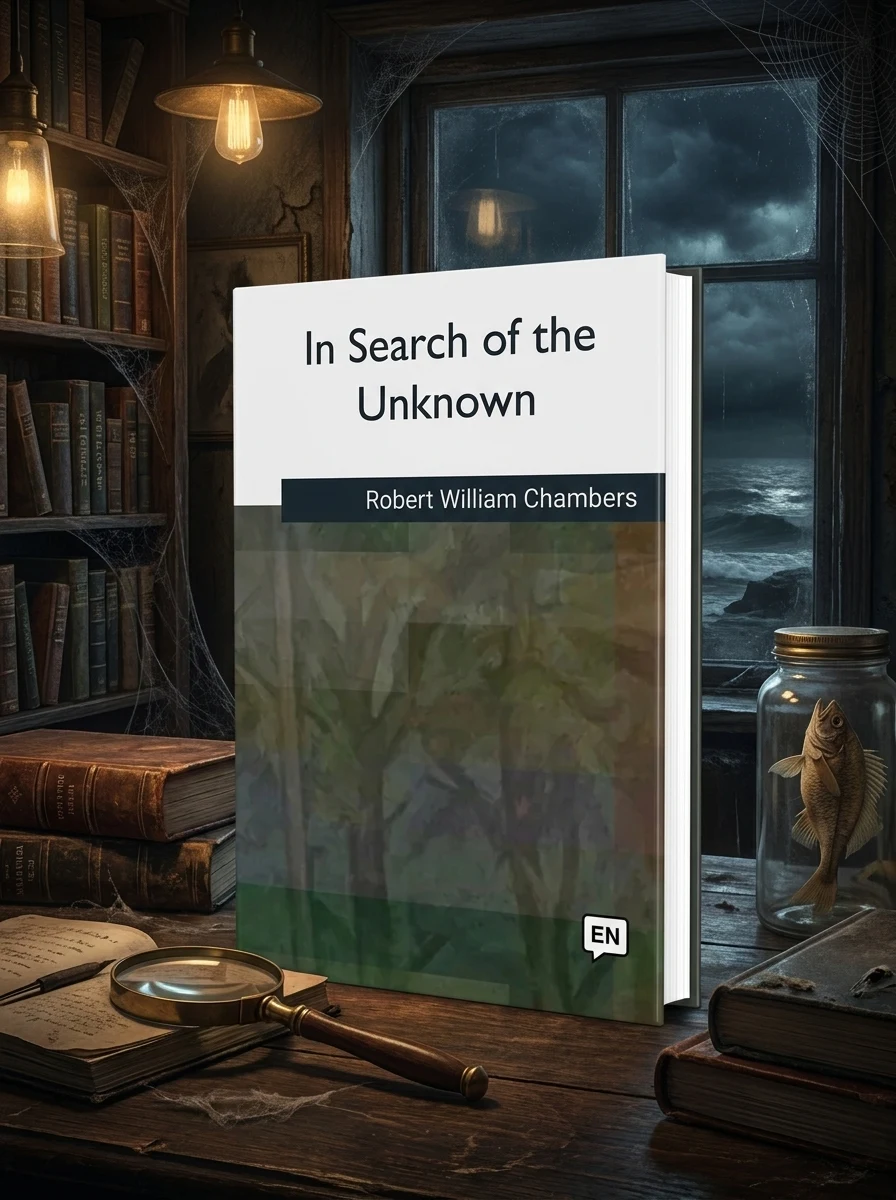
The author frames this work as an urgent necessity, written before he loses the courage to tell the truth. He describes sitting safe and sane in his library, yet struggling to believe that what he saw scarcely a month ago ever existed. The story centers on the moment he witnessed something that defies logic, triggered by the sound of stealthy purring near the water. Chambers emphasizes his own credibility, asking readers to consider his probity and the corroboration of publishers. This approach creates a sense of intimacy and dread, as the narrator admits the events appear less horrible than grotesque now that he is removed from them. The text does not offer easy explanations but rather presents the raw confusion of someone whose reality has been fractured by an improbable event.
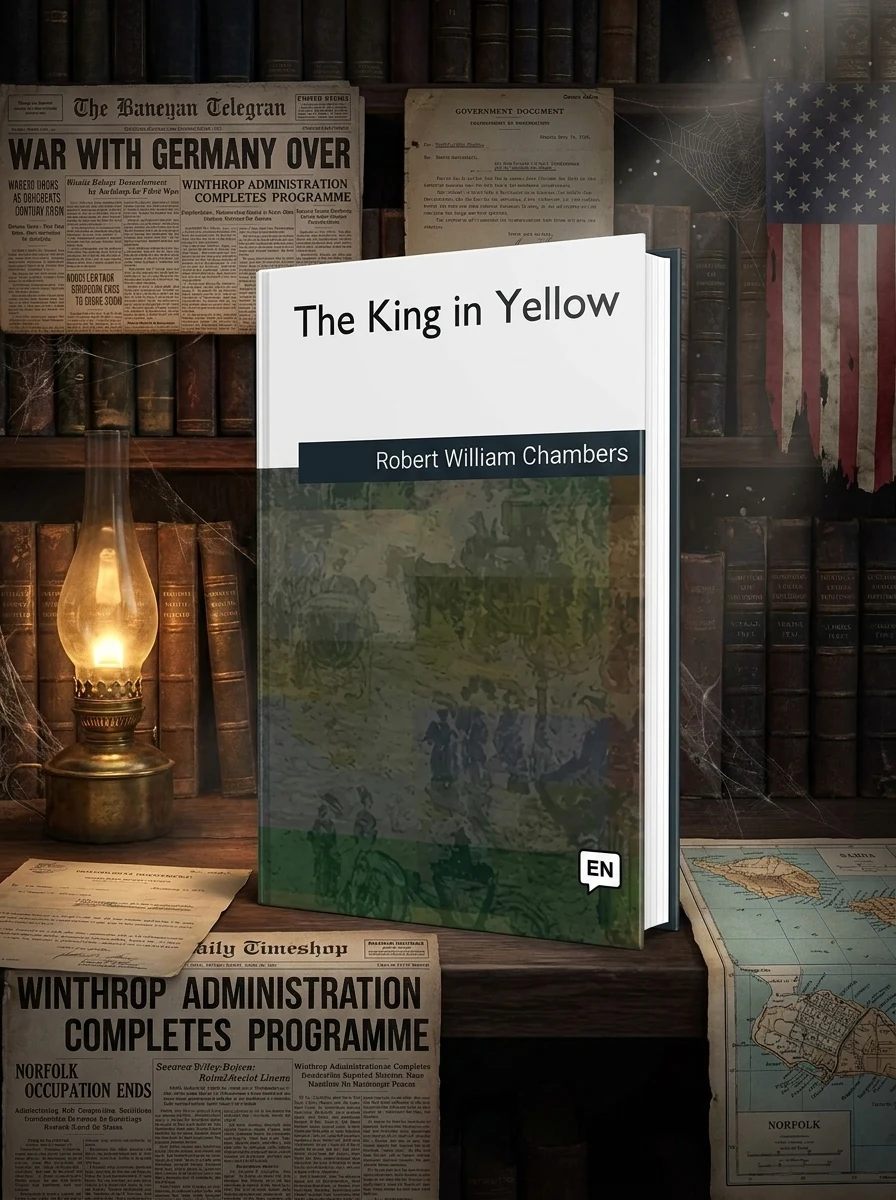
This 2018 edition by Createspace Independent Publishing Platform reissues Chambers' work for modern readers. The text draws on Gothic traditions of unreliable narration and the fear of the unknown. It reflects a period where personal testimony was crucial for validating supernatural experiences against rational skepticism.


📝 Description: In Search of the Unknown
💎 Our verdict on In Search of the Unknown
📖 Why choose it
Why this book is worth reading
Readers who appreciate the subtle, creeping dread of cosmic horror and the ambiguity of psychological terror will find this account compelling. It offers a rare glimpse into the narrator's desperate attempt to maintain sanity while recounting an event that defies logic. The confessional tone creates an intimate bond with the reader, making the impossible feel plausible through sheer insistence on truth. Those who enjoy stories where the horror lies in the fragmentation of reality rather than jump scares will appreciate this restrained approach.
⭐ Reader reviews
Reader rating
Chambers excels at building tension through restraint, using a hesitant first-person voice to convey genuine confusion and dread. The narrative avoids easy explanations, focusing instead on the raw psychological impact of witnessing the inexplicable. This approach suits readers who prefer atmospheric unease over fast-paced action or clear supernatural resolutions. While it may disappoint those seeking traditional horror tropes, it rewards those willing to engage with its unsettling ambiguity and intimate, confessional structure.