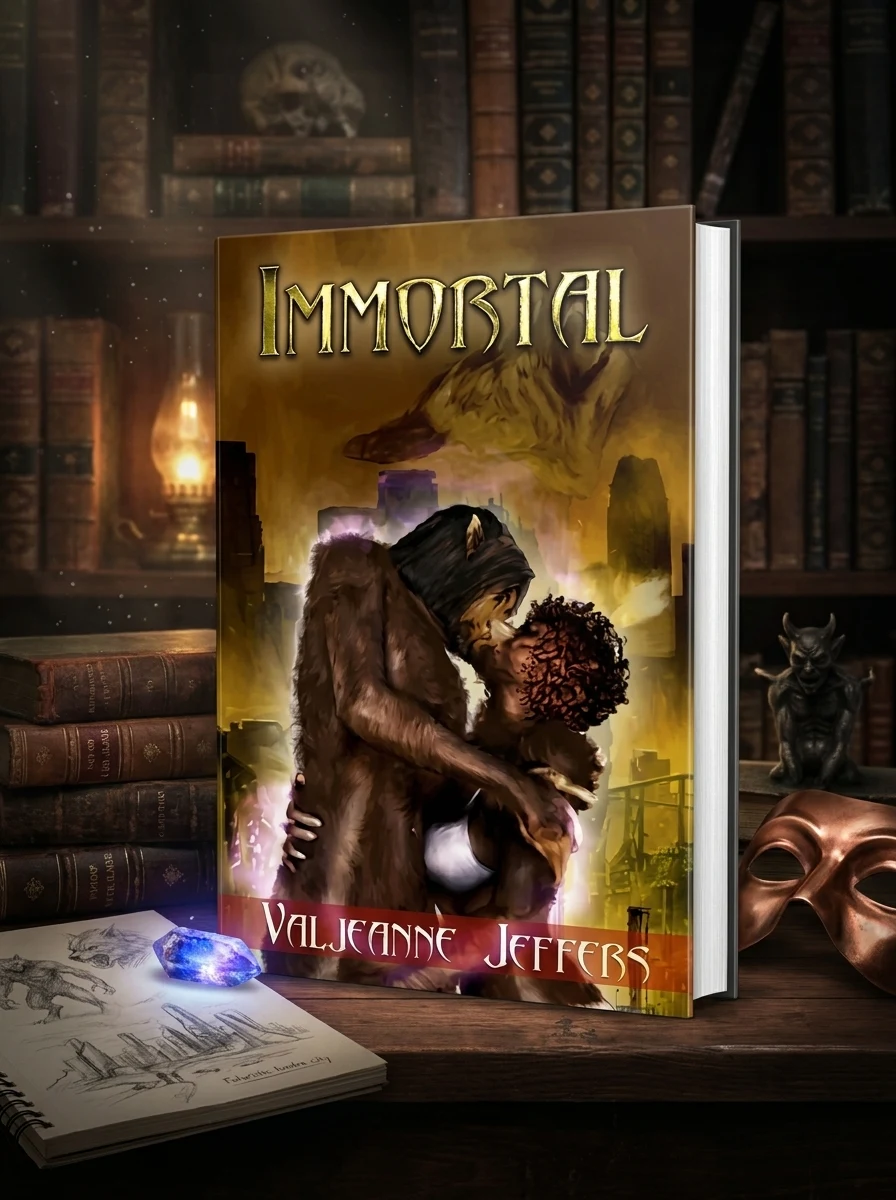
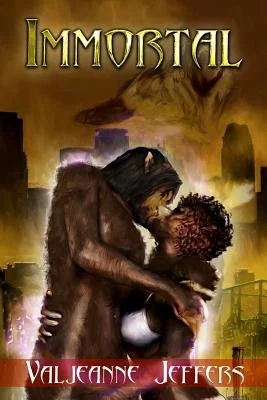
Immortal: Second Edition
A healer and a dreamer journey through revolution and magic to save a peaceful future society.
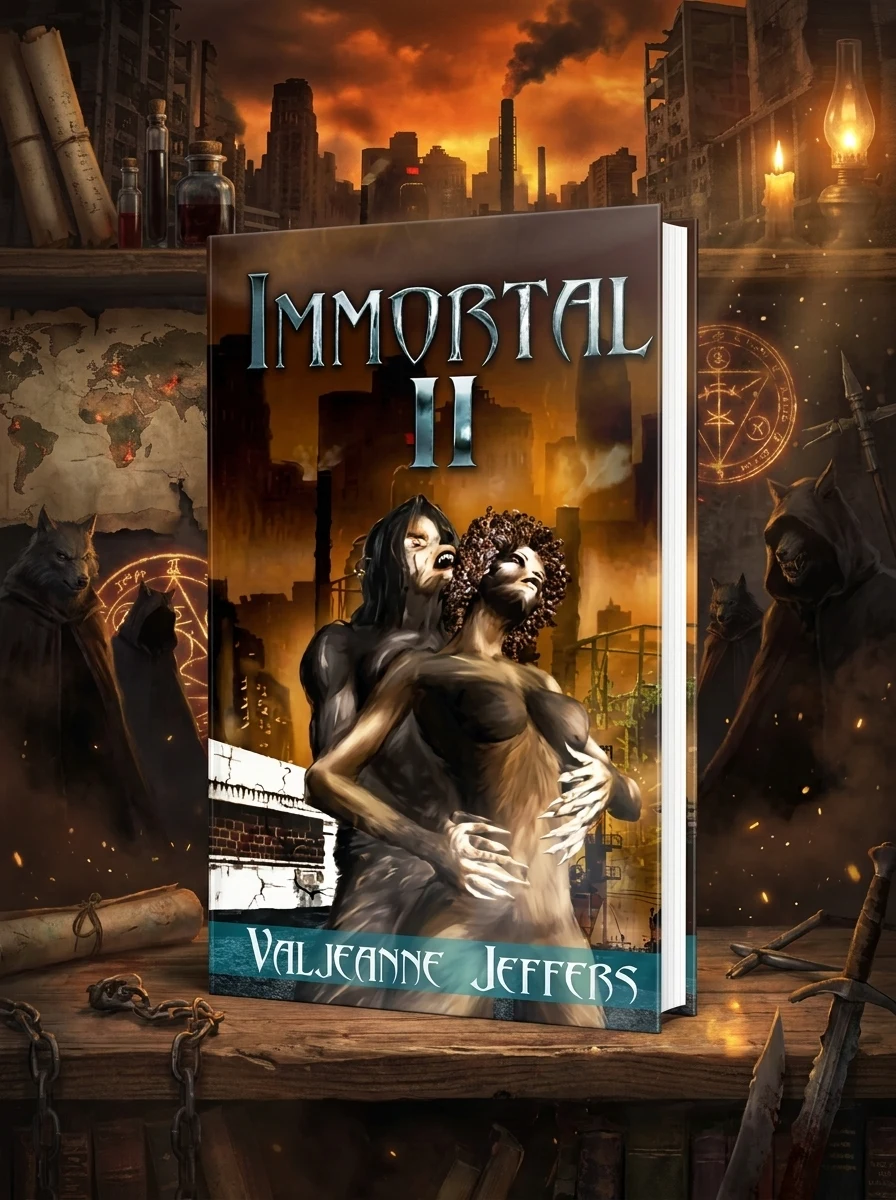
This novel explores the intersection of personal desire and cosmic destiny through the eyes of Karla and Joseph. The narrative structure moves from intimate, dream-based visions in a utopian setting to a broader, dangerous quest across time. The author uses the concept of shape-shifting and demonic entities to examine themes of power and connection. The story does not rely on traditional horror tropes but instead focuses on the psychological impact of eternal life and magical obligation. Readers seeking straightforward action may find the emphasis on internal dreams and mystical journeys less engaging, while those who enjoy character-driven speculative fiction will appreciate the detailed exploration of Karla's immortal identity and Joseph's forced departure from his home.
The book is set in a futuristic society called Tundra, located in the year 13075. This setting provides a backdrop of absolute peace and social equality, contrasting sharply with the nightmarish revolutionary world the characters eventually enter. The narrative draws on supernatural traditions involving shape-shifters and demons to challenge the stability of this long-lasting utopia.


📝 Description: Immortal: Second Edition
💎 Our verdict on Immortal: Second Edition
📖 Why choose it
Why this book is worth reading
Readers who prioritize deep character exploration over rapid-fire action will find this novel rewarding. It appeals to those interested in the psychological weight of eternal life and the complex dynamics of desire and power. The book is ideal for fans of magical realism and gothic fiction who appreciate slow-burn narratives driven by internal conflict rather than external thrills. Those seeking a meditation on identity, revolution, and cosmic destiny within a futuristic setting will engage with its thematic depth.
⭐ Reader reviews
Reader rating
Valjeanne Jeffers crafts a nuanced exploration of immortality, focusing on the psychological impact of eternal existence rather than traditional horror tropes. The narrative effectively intertwines lucid dreaming with magical realism, creating a rich atmosphere for character-driven speculation. While the emphasis on internal visions may deter action-oriented readers, it offers substantial reward for those who enjoy intricate world-building and complex interpersonal dynamics. The integration of shape-shifting and demonic entities serves to examine power structures and connection in a unique way. This is a thoughtful contribution to speculative horror.