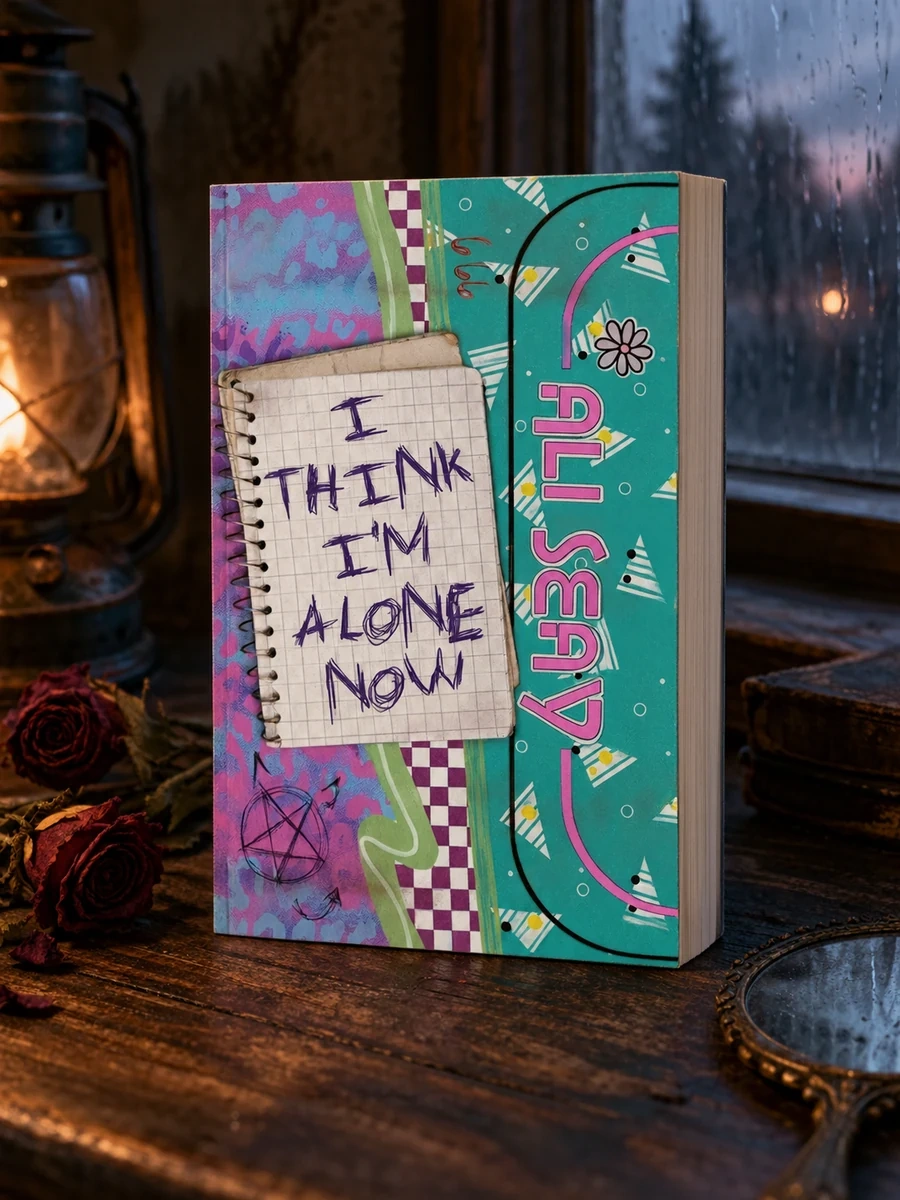
I Think I'm Alone Now
A Gen X latchkey girl faces a neighbor whose obsession reveals a terrifying truth.
This novel examines the vulnerability of adolescence in a neglectful environment. Dorrie’s lack of supervision leaves her exposed to Mr. Frank’s unwanted attention. The story does not rely on supernatural monsters but on the dread of being watched. Seay uses the character of Dorrie to highlight the loss of privacy and safety. The tension builds through small, recurring encounters rather than large events. The ending reveals a motive that recontextualizes the earlier scenes. This approach creates a lingering sense of unease for the reader.
Published by Grindhouse Press in 2024, this work sits within contemporary horror fiction. It engages with Gen X cultural touchstones and the specific anxieties of that era. The setting is a generic American neighborhood, reflecting common fears about stranger danger and parental absence.


📝 Description: I Think I'm Alone Now
💎 Our verdict on I Think I'm Alone Now
📖 Why choose it
Why this book is worth reading
Readers who appreciate atmospheric tension and psychological unease will find this book rewarding. It offers a deep dive into the vulnerability of adolescence amid neglect, exploring how isolation breeds paranoia. Those interested in character studies over plot mechanics should pick this up. The narrative excels at building dread through subtle, recurring encounters rather than loud scares. It appeals to fans of slow-burn horror that questions safety in familiar spaces. The focus on internal turmoil provides a unique perspective on fear and observation. This book is ideal for those who enjoy stories where the real threat is human obsession and the loss of privacy. It delivers a lingering sense of dread that stays with the reader long after the final page.
⭐ Reader reviews
Reader rating
Seay crafts a compelling portrait of suburban dread, using Dorrie’s perspective to highlight the erosion of safety. The novel succeeds in its atmospheric approach, making every glance feel invasive and threatening. By eschewing traditional monsters for human fixation, it creates a more intimate and disturbing horror experience. The pacing is deliberate, relying on small details to build significant tension. This method works well for readers who prefer psychological depth over action. However, those seeking fast-paced thrills or clear resolutions may find the ambiguity frustrating. The strength lies in its character study and exploration of isolation. It is a refined example of how to use setting to amplify internal fear effectively.
📖 Read on the blog
✍️ More books by this author Ali Seay



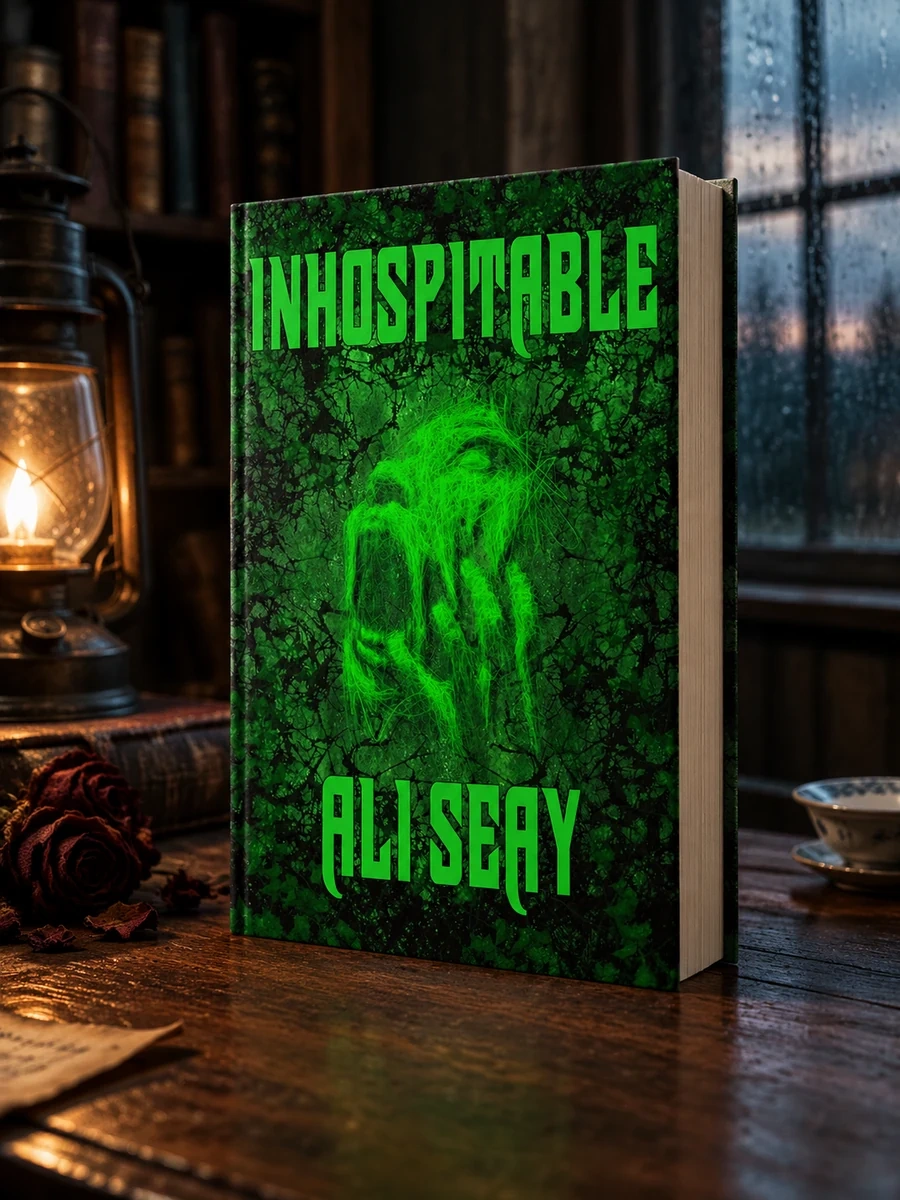



🏛 Books from this publisher Grindhouse Press
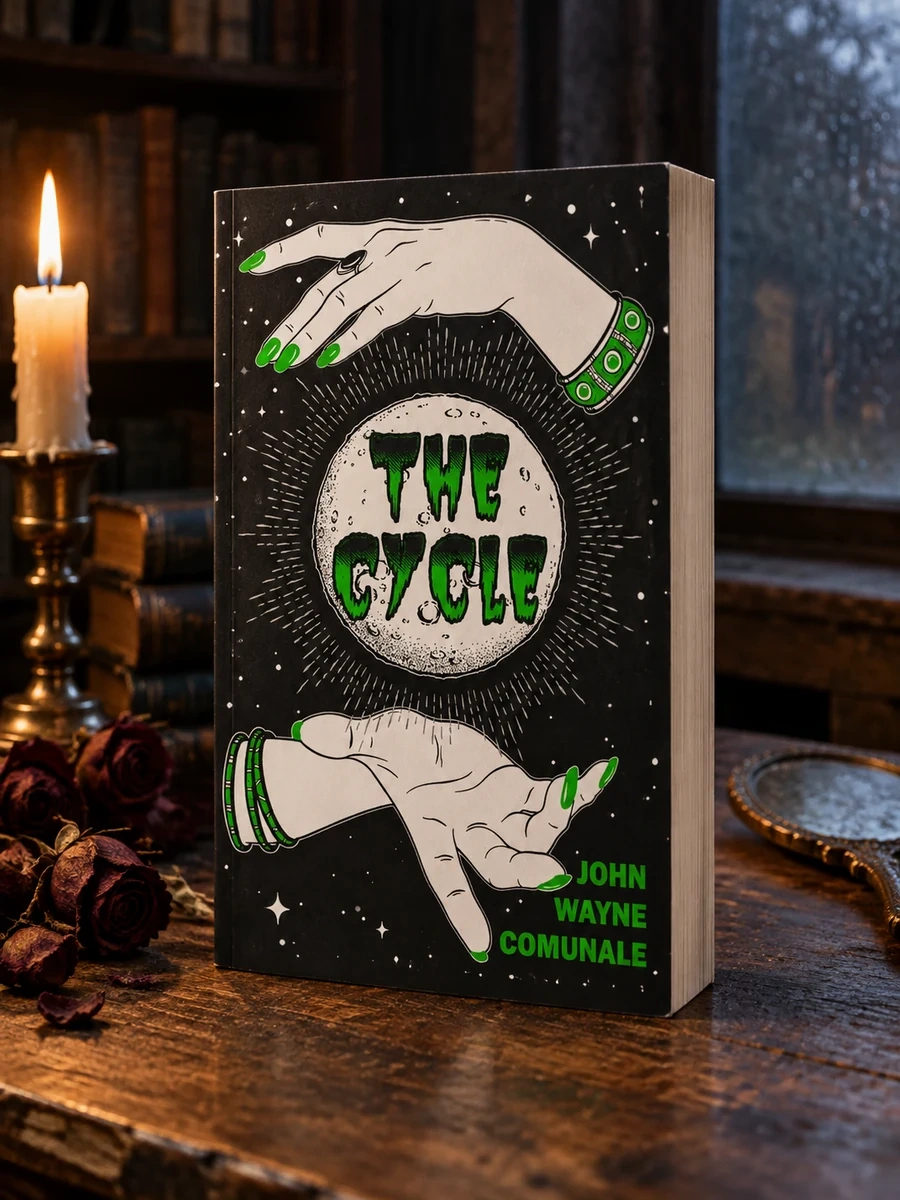

You might also like
See more →



Have a question about this item?
Ask about the edition, condition, delivery or anything else — we reply by email or phone, usually within a day.
