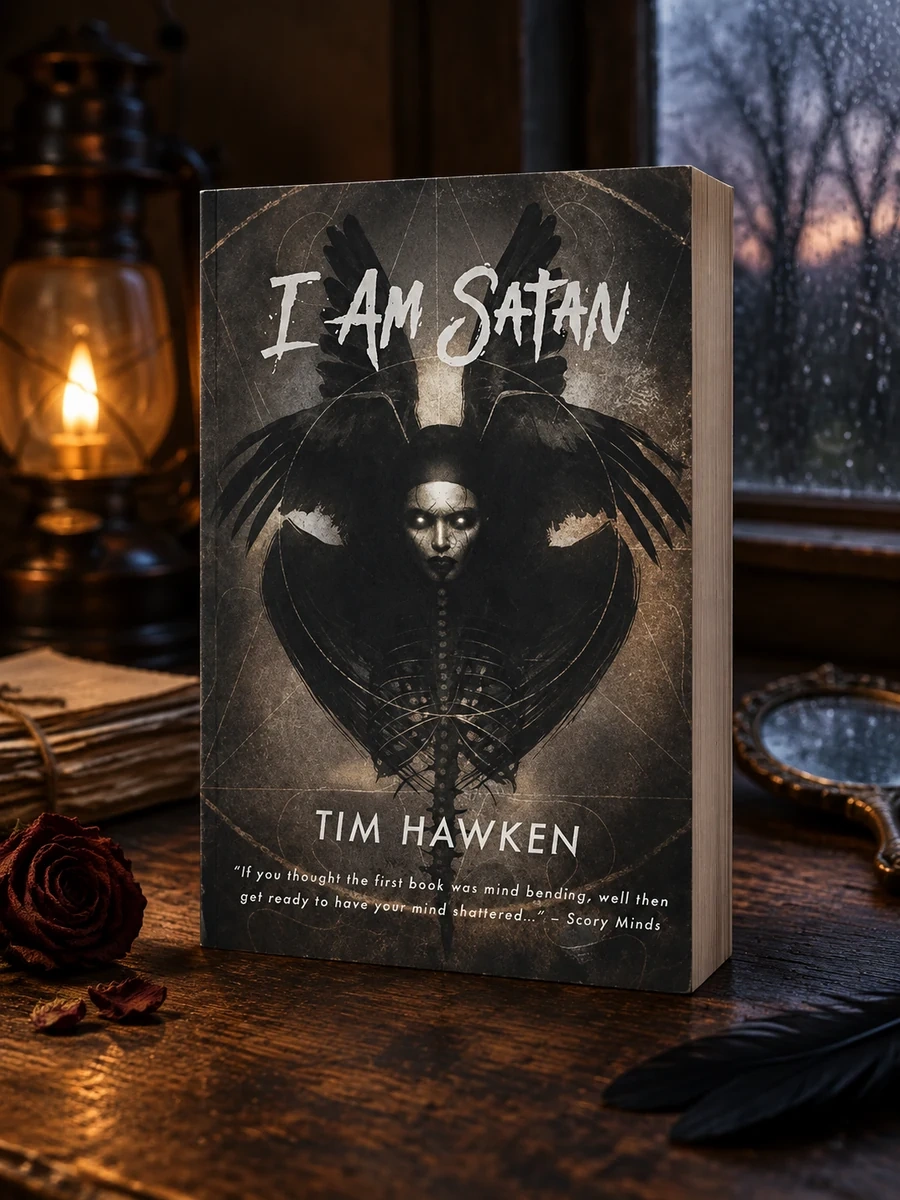

I Am Satan
Michael rebels in Hell to save Charlotte and build an army in this sequel.
The narrative follows Michael after his banishment to Hell. He faces charges for failing to reform lost souls but rejects the title of Satan. Instead, he plots to seize control of the underworld. His primary goal involves saving Charlotte from her fate. This ambition requires him to construct a loyal army within Damnation. The story shifts focus from mere survival to active conquest and manipulation of infernal politics. Hawken builds upon the foundation of the first book, intensifying the psychological stakes for his protagonist.
This title sits within the contemporary American self-publishing landscape, released by Timothy Hawken in 2021. It continues the Hellbound Trilogy, engaging with modern interpretations of demonic lore and damnation rather than classical religious texts.


📝 Description: I Am Satan
💎 Our verdict on I Am Satan
📖 Why choose it
Why this book is worth reading
This book appeals to readers who enjoy supernatural fiction where protagonists defy their assigned roles. It suits those interested in gothic themes involving damnation and rebellion against established hierarchies. Individuals seeking straightforward horror without complex character motivations may find the focus on Michael's internal struggle less engaging. The narrative relies on the tension between duty and personal desire, driving the plot forward through Michael's calculated actions rather than external threats alone. By shifting focus from mere survival to active conquest and manipulation of infernal politics, it intensifies the psychological stakes for its protagonist. It is ideal for those who appreciate a mind-bending premise that evolves into a shattered reality, offering a deep dive into the subgenre of psychological horror within a gothic framework.
⭐ Reader reviews
Reader rating
Tim Hawken expands the narrative established in the first volume by shifting the focus from mere survival to active conquest and the manipulation of infernal politics. The protagonist rejects his assigned role as Satan, instead plotting to seize control of the underworld to save Charlotte and build a loyal army. This transition moves the story from a mind-bending premise toward a more shattered reality for the reader. While the narrative relies heavily on tension between duty and personal desire, it may alienate those seeking straightforward horror without complex character motivations. The work succeeds best for readers who enjoy supernatural fiction where protagonists defy their assigned roles. It offers a compelling exploration of gothic themes involving damnation and rebellion against established hierarchies, intensifying the psychological stakes for its protagonist through calculated actions rather than external threats alone.
You might also like
See more →




Have a question about this item?
Ask about the edition, condition, delivery or anything else — we reply by email or phone, usually within a day.
