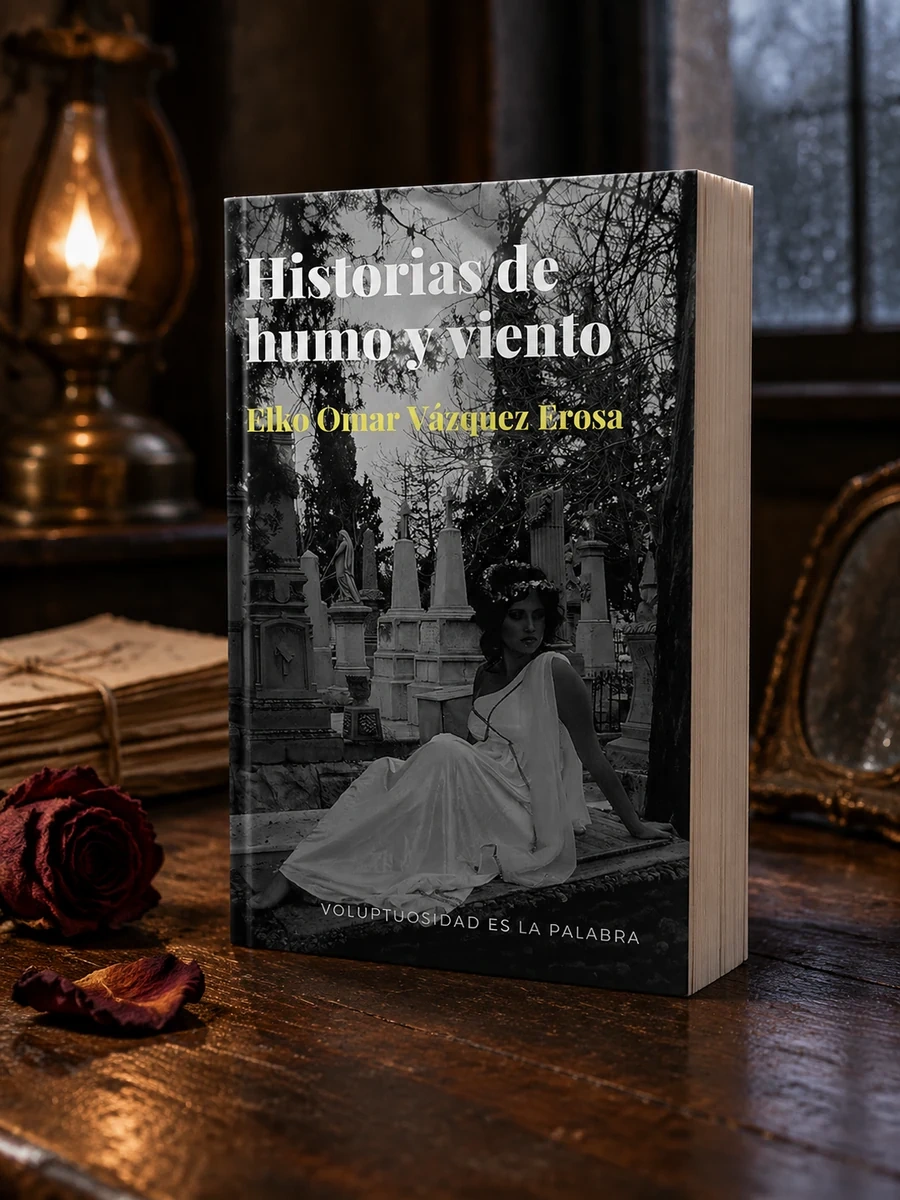
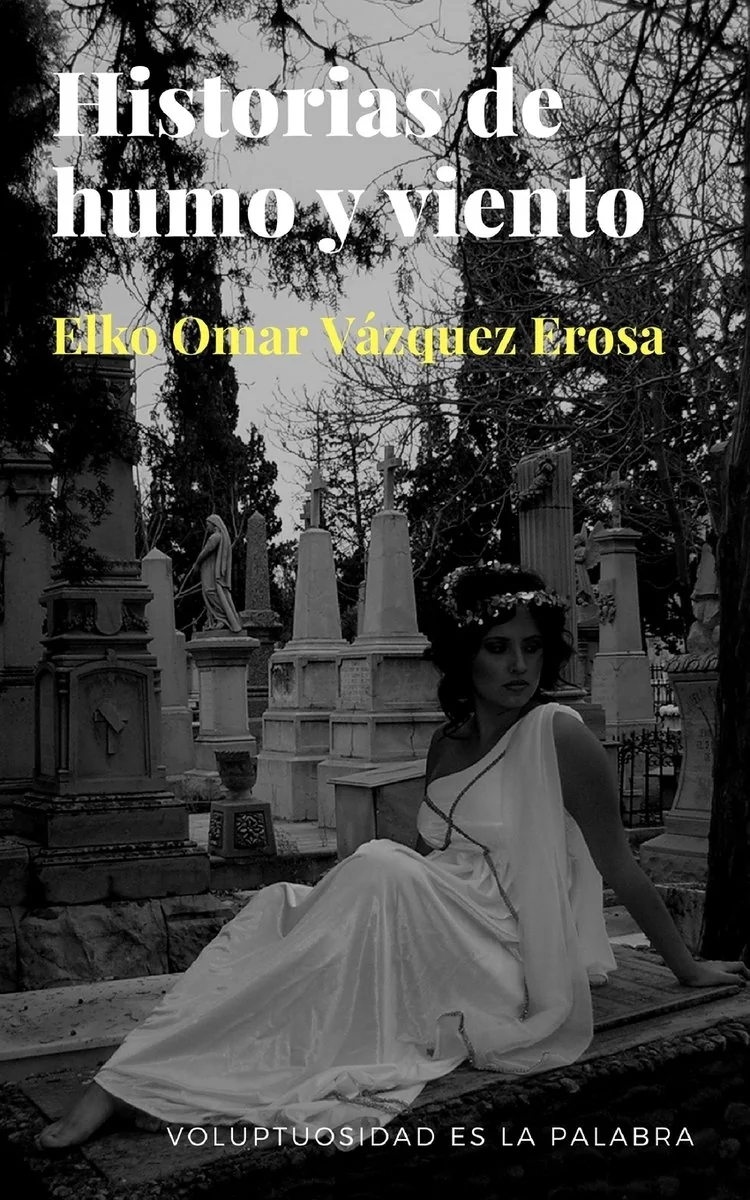
Historias de humo y viento
A collection of supernatural tales spanning Roman vampires to Kafkaesque horror.
The book operates as a series of disconnected vignettes exploring the intersection of myth and madness. Campos utilizes figures from religious texts, such as King Solomon and Lucifer, alongside classical archetypes like fae and ancient vampires. The stories range from historical fantasy in Rome to psychological distress involving magical abuse and insectoid transformation. Each narrative functions independently, offering a glimpse into different facets of the supernatural without connecting plotlines or characters across the collection.
The work draws on Ancient Roman history, eighteenth-century aristocracy, and Judeo-Christian mythology. It incorporates elements of Kafkaesque surrealism and gothic horror traditions, blending classical myth with modern psychological unease in a collection of short narratives.


📝 Description: Historias de humo y viento
💎 Our verdict on Historias de humo y viento
📖 Why choose it
Why this book is worth reading
This volume appeals to readers who appreciate short fiction rooted in gothic tradition and mythological reinterpretation rather than linear narratives. It offers a unique exploration of the intersection between myth and madness, featuring disconnected vignettes that span from ancient Rome to Kafkaesque nightmares. Those interested in how classical archetypes like fae and vampires interact with psychological distress will find value in these isolated supernatural incidents. The book serves as a compilation of distinct episodes, providing varied glimpses into demonic encounters and magical abuse without the commitment of a continuous saga.
⭐ Reader reviews
Reader rating
Juan Campos delivers a compelling anthology that effectively merges historical fantasy with intense psychological horror. By juxtaposing classical figures such as King Solomon and Lucifer against Kafkaesque transformations and domestic terror, the work creates a rich tapestry of mythological reinterpretation. The disjointed nature of the stories allows for diverse tones, ranging from aristocratic hauntings to insectoid metamorphosis. This approach suits readers seeking atmospheric vignettes over plot-driven continuity. The collection succeeds in its goal of exploring the demonic and the mortal through varied historical and mythological landscapes, offering a distinct alternative to conventional horror narratives.
📖 Read on the blog
🏛 Books from this publisher Independently Published








You might also like
See more →
Have a question about this item?
Ask about the edition, condition, delivery or anything else — we reply by email or phone, usually within a day.
