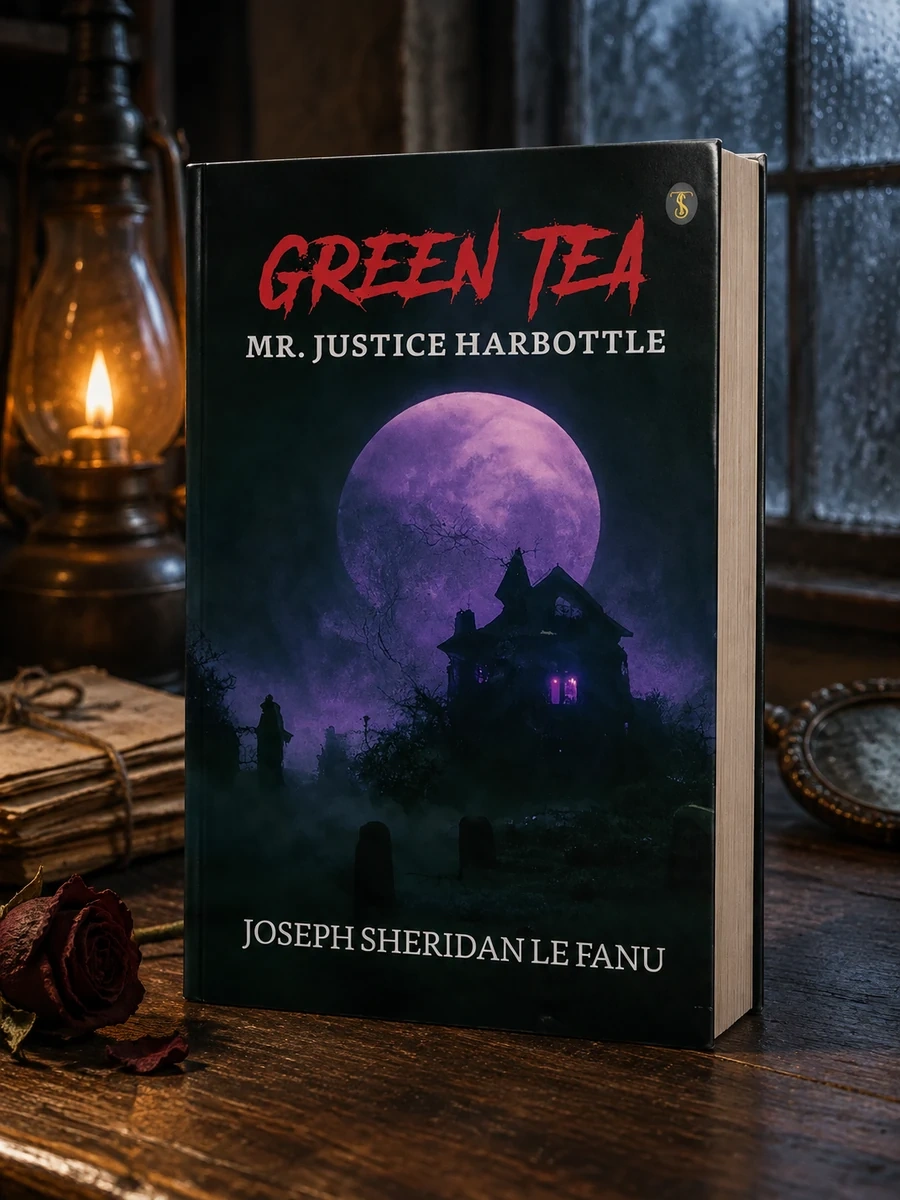
Green Tea
A classic 1869 gothic tale of psychological horror by Irish author Joseph Sheridan Le Fanu.
This volume contains Green Tea, a short story from In a Glass Darkly. The narrative is framed by Dr. Martin Hesselius describing his patient Reverend Mr. Jennings. The reverend faces a malevolent presence that disrupts his sanity. Le Fanu uses this frame to explore the intersection of the supernatural and the mind. The text does not rely on external monsters but on internal decay. The story was first released in 1869 as part of the larger collection. True Sign Publishing House Private Limited provides this specific edition with ISBN 9788119179817. The focus remains on the reverend's descent and the doctor's clinical observation. Le Fanu’s Irish background informs the gothic tone. The work stands as a key example of late Victorian ghost storytelling.
Joseph Sheridan Le Fanu was an Irish writer who helped define the gothic and ghost story genres. Green Tea appeared in 1869 within In a Glass Darkly. This period saw a rise in supernatural fiction focusing on mental states. The work reflects late nineteenth-century literary trends in horror.


📝 Description: Green Tea
💎 Our verdict on Green Tea
📖 Why choose it
Why this book is worth reading
Readers seeking profound psychological horror rather than visceral thrills will find this tale rewarding. It appeals to those who appreciate the slow-burn tension of classic gothic fiction, where the true terror lies in the unraveling of the human mind. The narrative offers a sophisticated examination of sanity and malevolence through the clinical lens of Dr. Hesselius. Those interested in the historical evolution of the ghost story will value its role as a key example of late Victorian genre development. It is ideal for scholars and enthusiasts who prefer atmospheric depth over fast-paced action, providing a dense, immersive experience that rewards careful attention to detail and thematic nuance.
⭐ Reader reviews
Reader rating
Le Fanu crafts a masterclass in psychological dread, eschewing jump scares for a lingering sense of internal decay. The clinical framing device effectively isolates the horror within Reverend Jennings’s deteriorating psyche, making the supernatural feel intimately invasive. This approach creates a unique tension between observation and experience, characteristic of high-quality gothic literature. The book suits readers who enjoy atmospheric density and thematic exploration over plot-driven narratives. It stands as a significant entry in supernatural fiction for its innovative blend of medical discourse and ghost storytelling. While the pacing may feel slow to modern thriller enthusiasts, it remains essential for fans of classic horror who value psychological complexity and literary heritage.
📖 Read on the blog
✍️ More books by this author Joseph Sheridan Lefanu
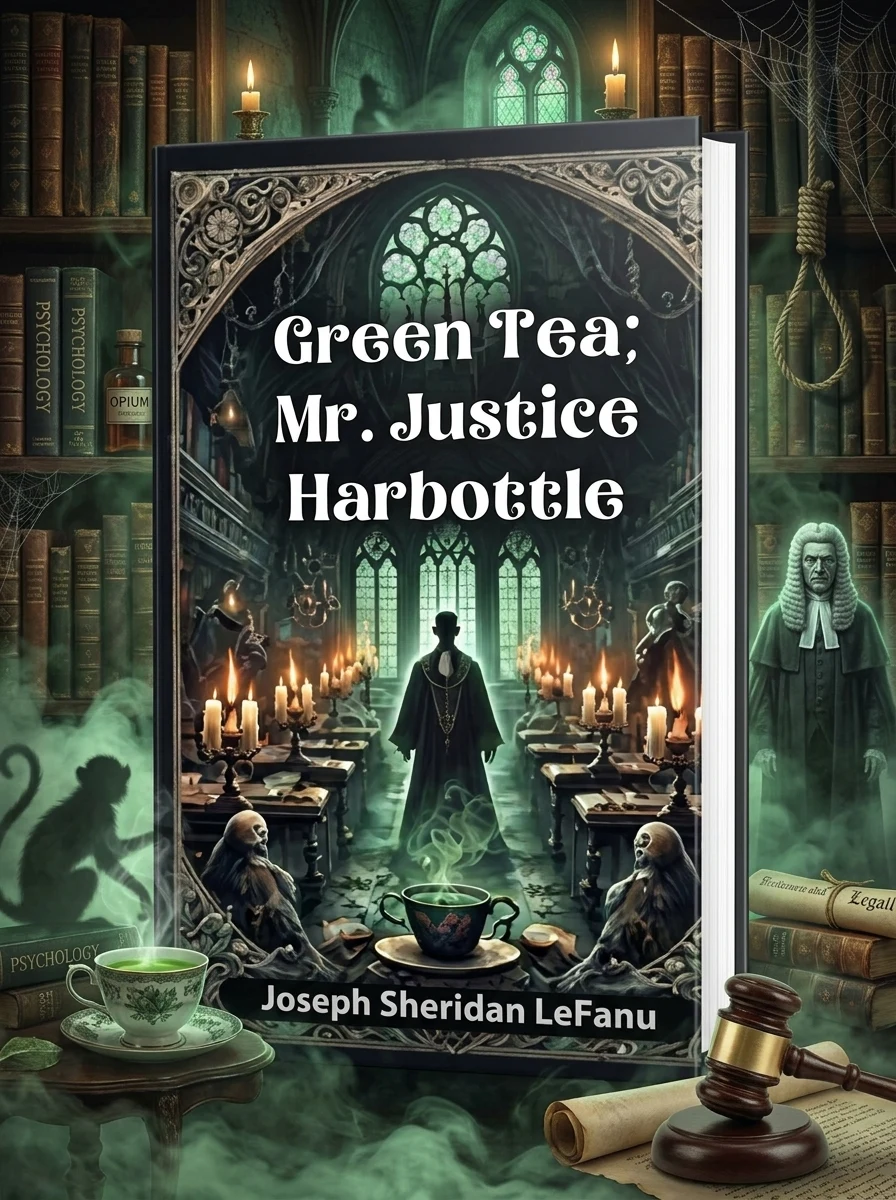


🏛 Books from this publisher True Sign Publishing House Private Limited


You might also like
See more →



Have a question about this item?
Ask about the edition, condition, delivery or anything else — we reply by email or phone, usually within a day.
