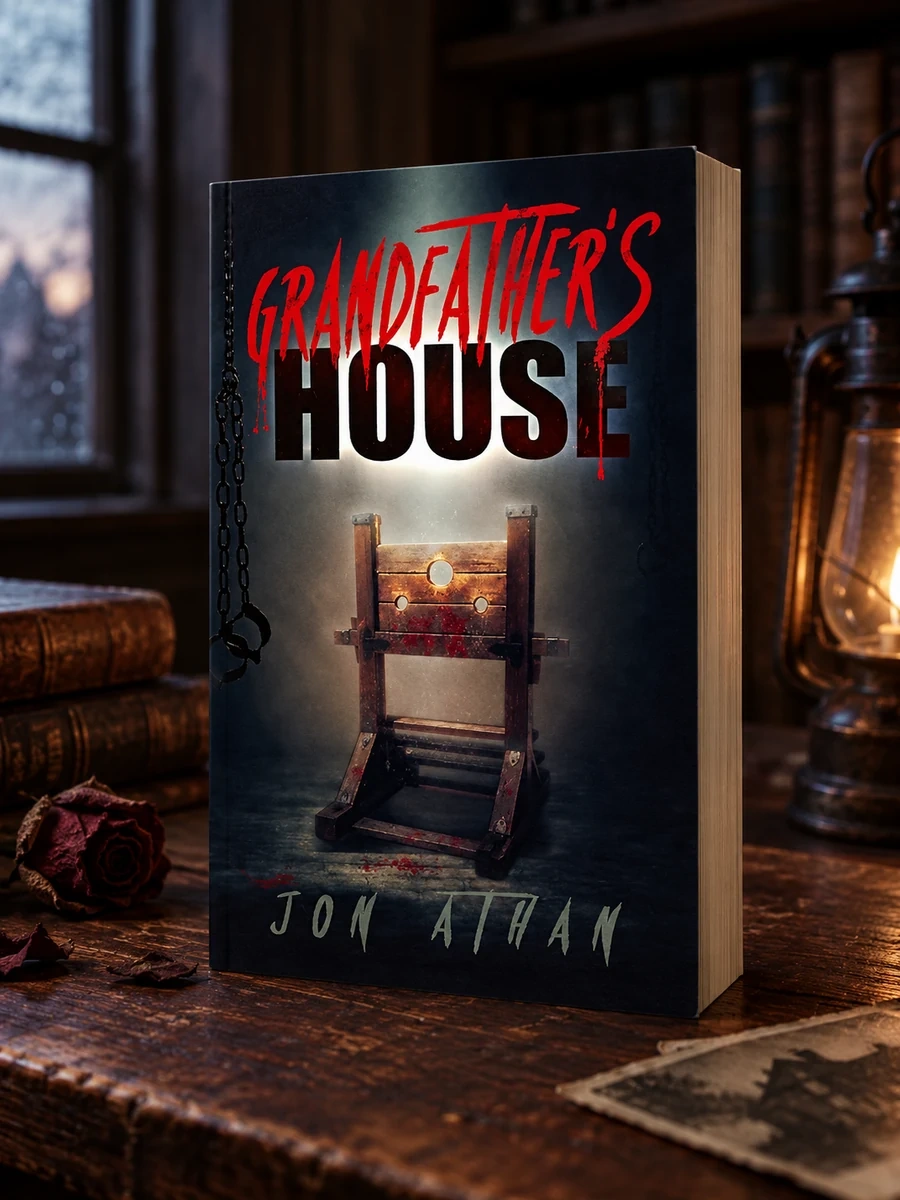

Grandfather's House
A novel about a boy sent to live with his violent grandfather.
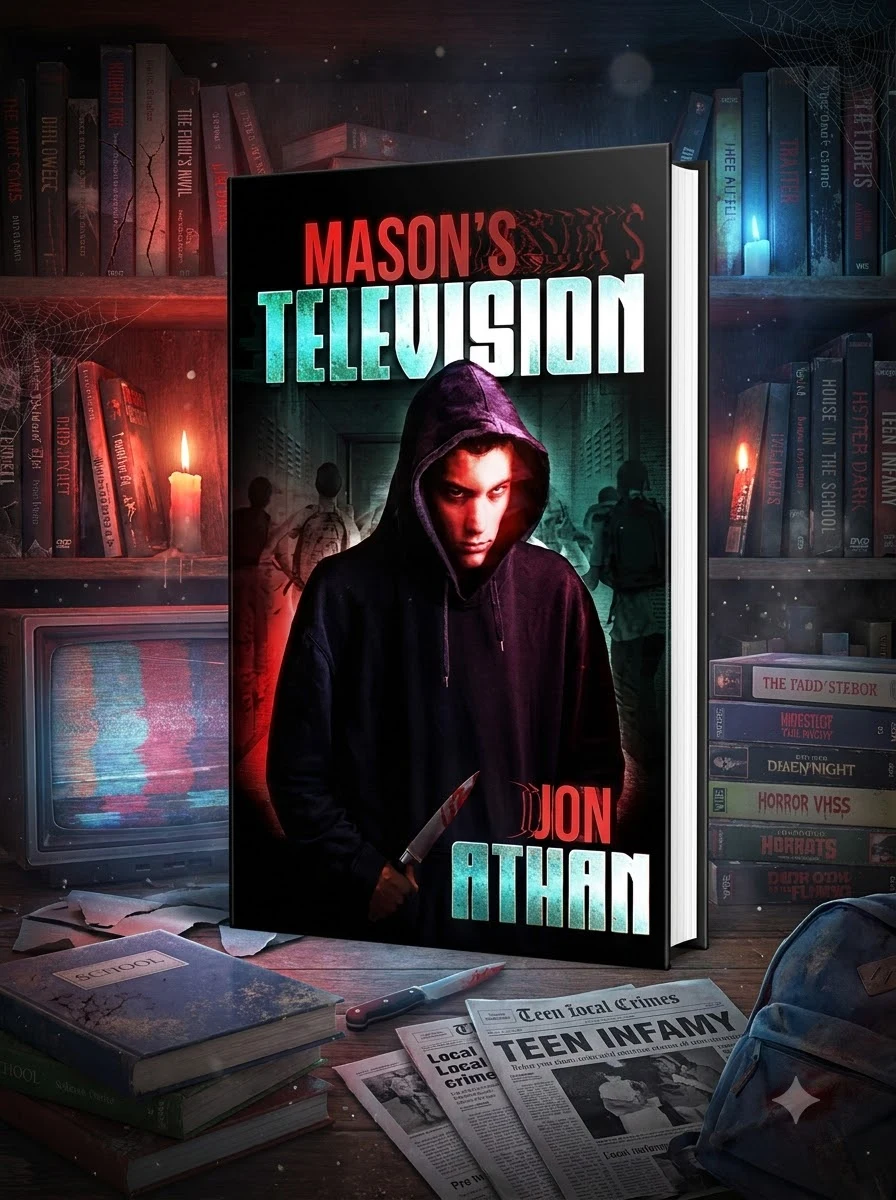
Jon Athan delivers a harrowing account of familial abuse through the eyes of Malcolm Hernandez. Sent to his grandparents' home, he encounters Ronald O'Donnell, a violent grandfather determined to break him. The narrative focuses on the systematic destruction of a young person's spirit and body. It avoids sensationalism in favor of depicting the grim reality of such cruelty. The work stands as a stark warning about the dangers hidden within domestic settings.
This 2018 publication by Createspace Independent Publishing Platform addresses contemporary issues of child welfare and familial violence. It sits within the tradition of realistic horror fiction that examines human cruelty rather than supernatural threats. The work reflects modern concerns about abuse prevention and the lasting impact of traumatic childhood experiences.


📝 Description: Grandfather's House
💎 Our verdict on Grandfather's House
📖 Why choose it
Why this book is worth reading
Readers interested in the grim realities of human cruelty and the erosion of innocence will find this book compelling. It offers a stark, unflinching look at familial betrayal and power dynamics without relying on sensationalism. Those who appreciate horror that stems from psychological trauma rather than monsters will gain insight into the systematic destruction of a young person's spirit. The narrative serves as a warning about hidden dangers in domestic settings, providing a disturbing yet important examination of abuse. It is suitable for those seeking intense, emotionally heavy stories that prioritize psychological impact over plot twists or redemption arcs.
⭐ Reader reviews
Reader rating
Jon Athan delivers a harrowing account of familial abuse through the eyes of Malcolm Hernandez. The novel avoids supernatural elements to focus on the brutal reality of physical and mental cruelty inflicted by Ronald O'Donnell. While the content is intense and disturbing, featuring graphic violence and discussions of sexual abuse, it remains grounded in psychological realism. The work succeeds in depicting the grim reality of such cruelty without sensationalism. It suits readers who can handle dark themes and prefer stories that examine the stark examination of power dynamics. Although it lacks redemption, its commitment to portraying the psychological impact of betrayal makes it a significant, albeit difficult, read for horror enthusiasts seeking authenticity over comfort.