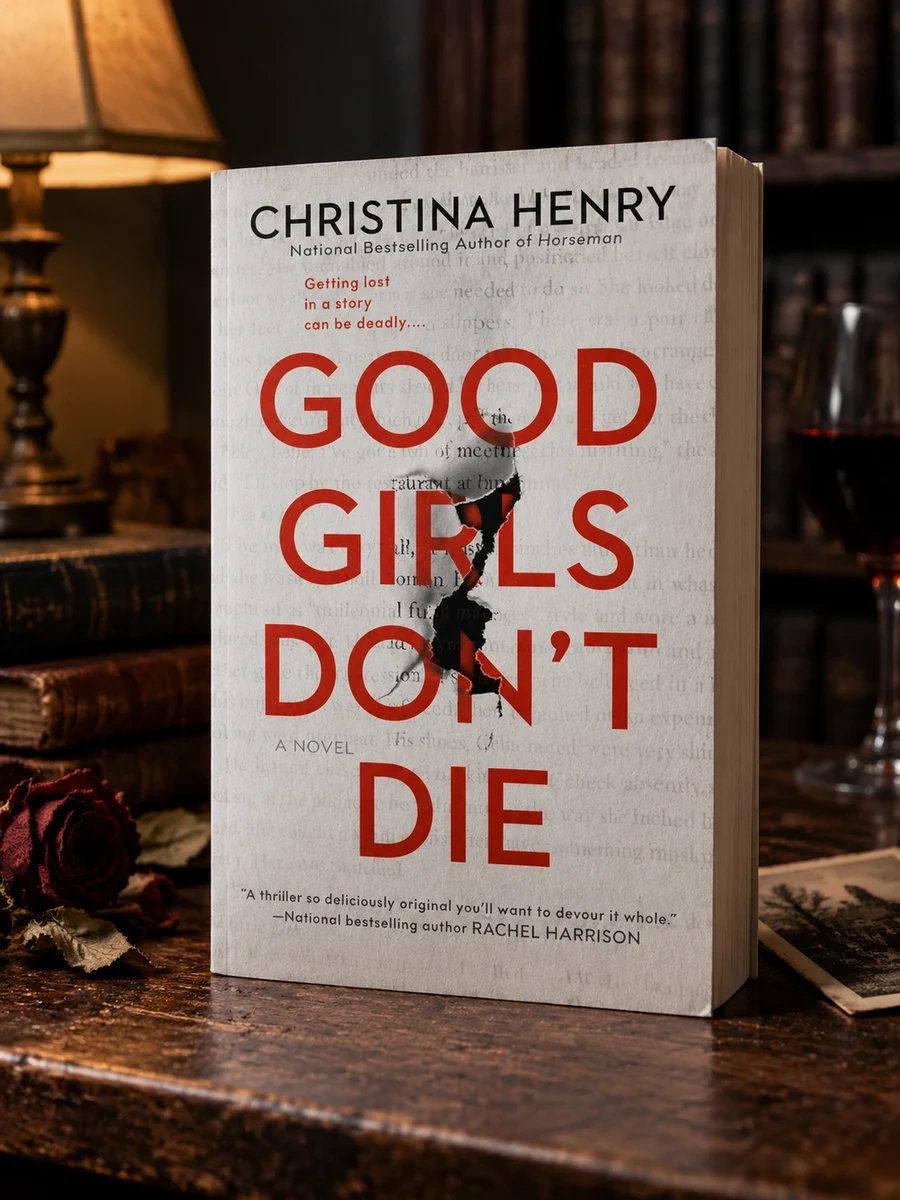

Good Girls Don't Die
A woman trapped in a fictional life must fight for her true self.
Henry constructs a narrative where the boundary between reader and character dissolves. Celia’s discovery that her daily routine mirrors a published text creates immediate dread. The story does not offer easy escapes from this literary prison. Instead, it forces the protagonist to use her knowledge of the source material as a tool for survival. This approach highlights the power of literature to shape perception and define reality. The tension arises from her struggle to distinguish her own desires from those written for her. It is a study in cognitive dissonance and the horror of losing one's autonomy.
Published by Penguin Publishing Group in 2023, this work sits within the modern tradition of meta-fictional horror. It draws on gothic tropes to explore contemporary anxieties about selfhood and narrative ownership.


📝 Description: Good Girls Don't Die
💎 Our verdict on Good Girls Don't Die
📖 Why choose it
Why this book is worth reading
Readers who enjoy meta-fictional puzzles and the fragility of identity will find this book compelling. It appeals to those interested in the mechanics of storytelling and how literature shapes perception. The narrative offers a unique exploration of cognitive dissonance as the protagonist fights for autonomy against an imposed reality. It is ideal for audiences who prefer abstract premises over straightforward plots. Those who appreciate gothic atmospheres and psychological horror will engage with the tension between personal memory and fictional circumstance. The book provides a deep study on losing one's self to narrative control, offering intellectual stimulation alongside dread.
⭐ Reader reviews
Reader rating
Christina Henry crafts a disturbing examination of identity through a lens of meta-fictional horror. The novel effectively utilizes gothic atmospheres to trap the protagonist in a literary prison, creating immediate and sustained dread. By blurring the line between reader and character, Henry forces an uncomfortable introspection on the nature of reality. The narrative excels in depicting the psychological toll of having one's history overwritten by fiction. It suits readers who enjoy complex puzzles and the erosion of autonomy. While the premise may feel too abstract for those seeking simple mysteries, it offers a rich, tense experience for fans of psychological horror and dark fantasy. The exploration of borrowed history is both terrifying and intellectually rigorous.
📖 Read on the blog
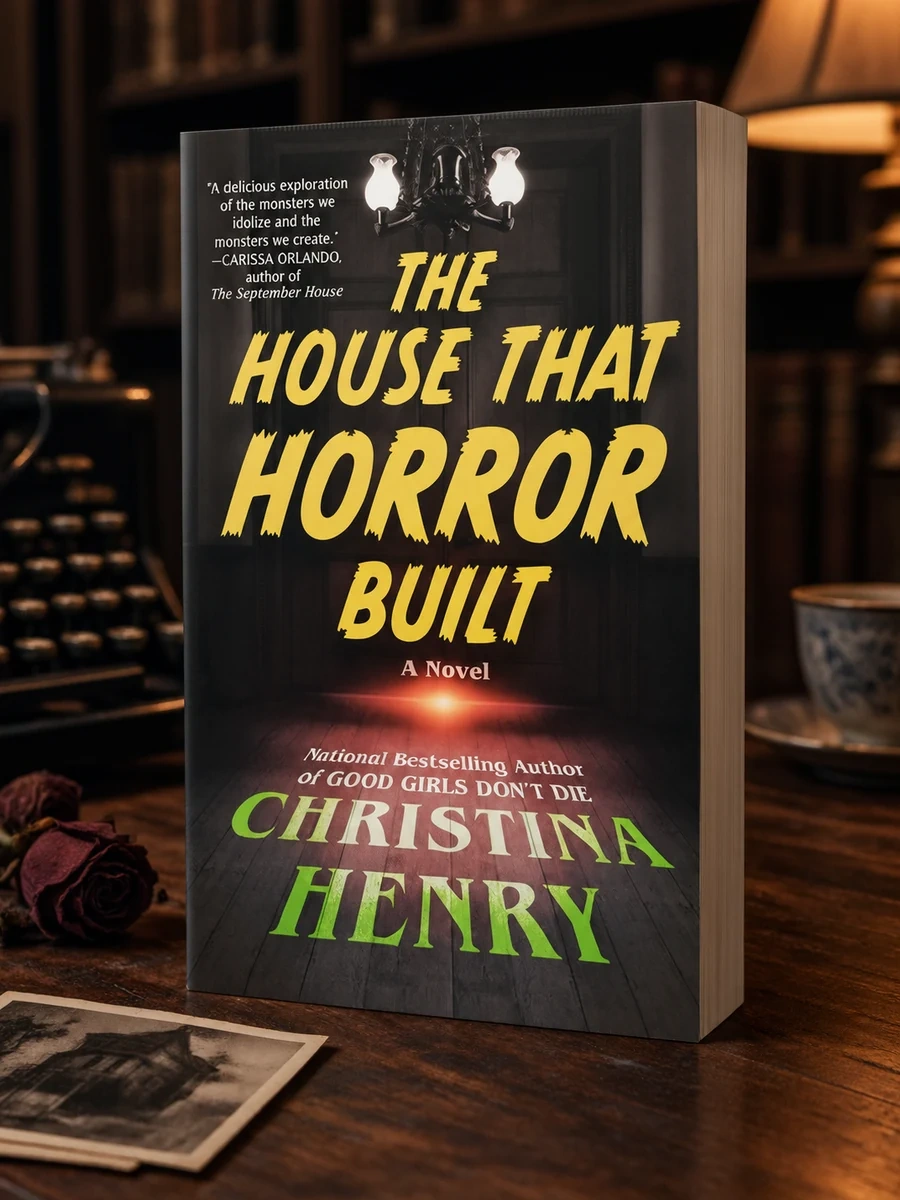
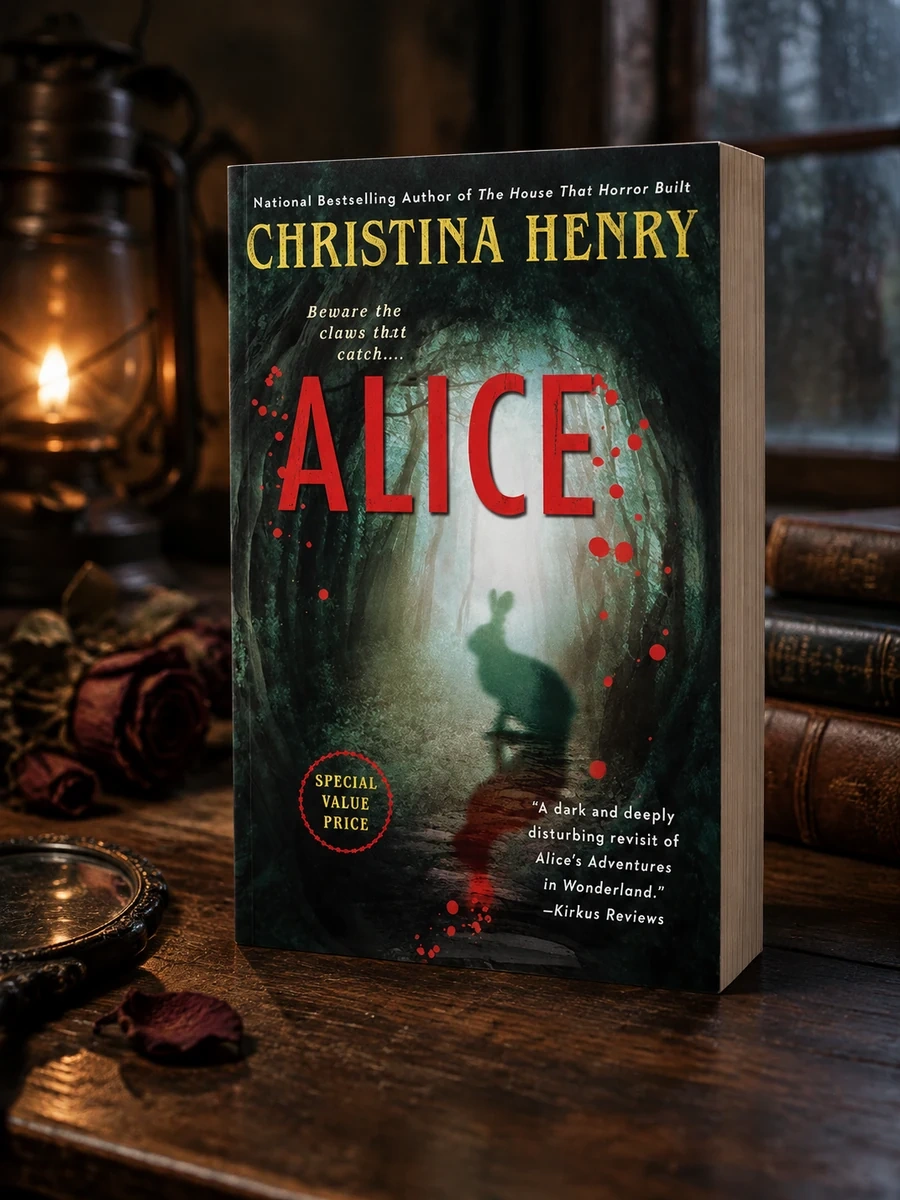
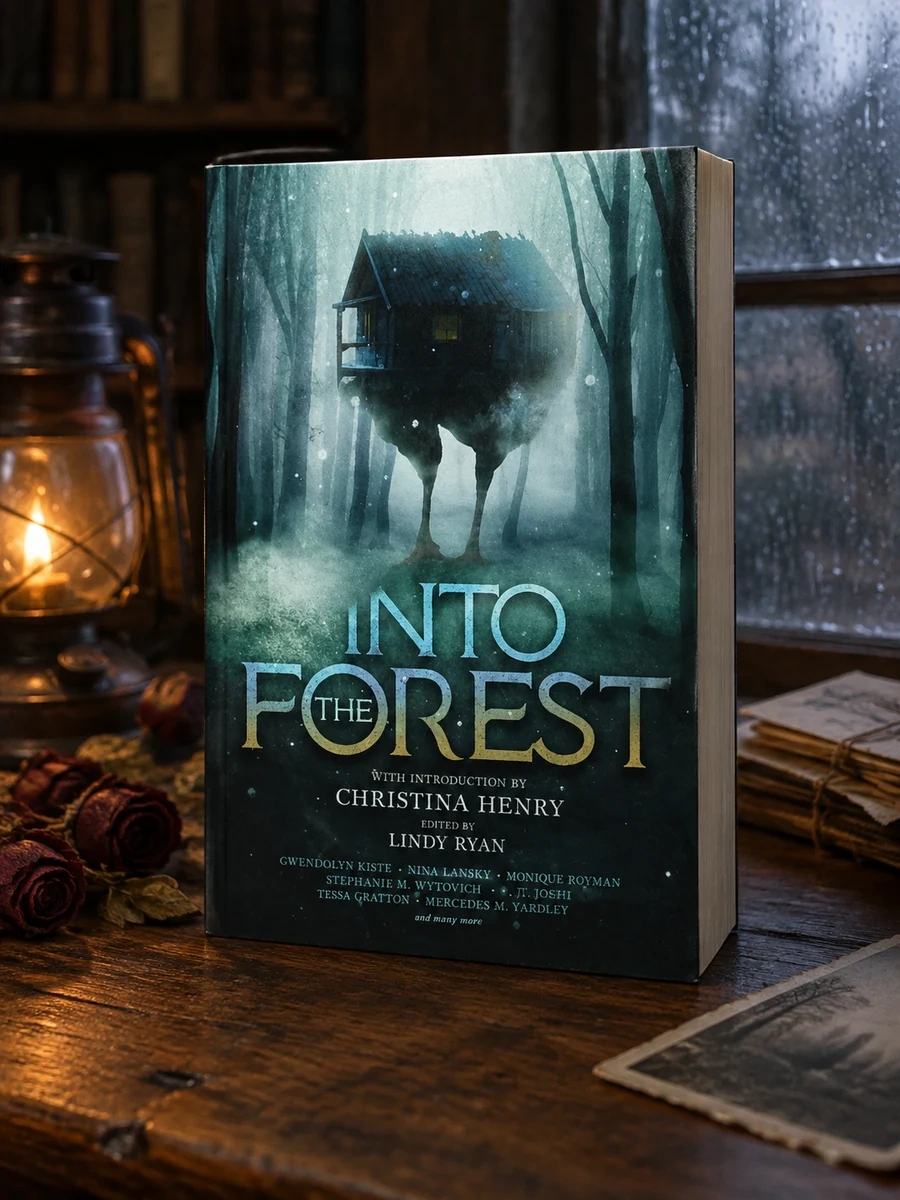
✍️ More books by this author Christina Henry


🏛 Books from this publisher Penguin Publishing Group
You might also like
See more →


Have a question about this item?
Ask about the edition, condition, delivery or anything else — we reply by email or phone, usually within a day.
