
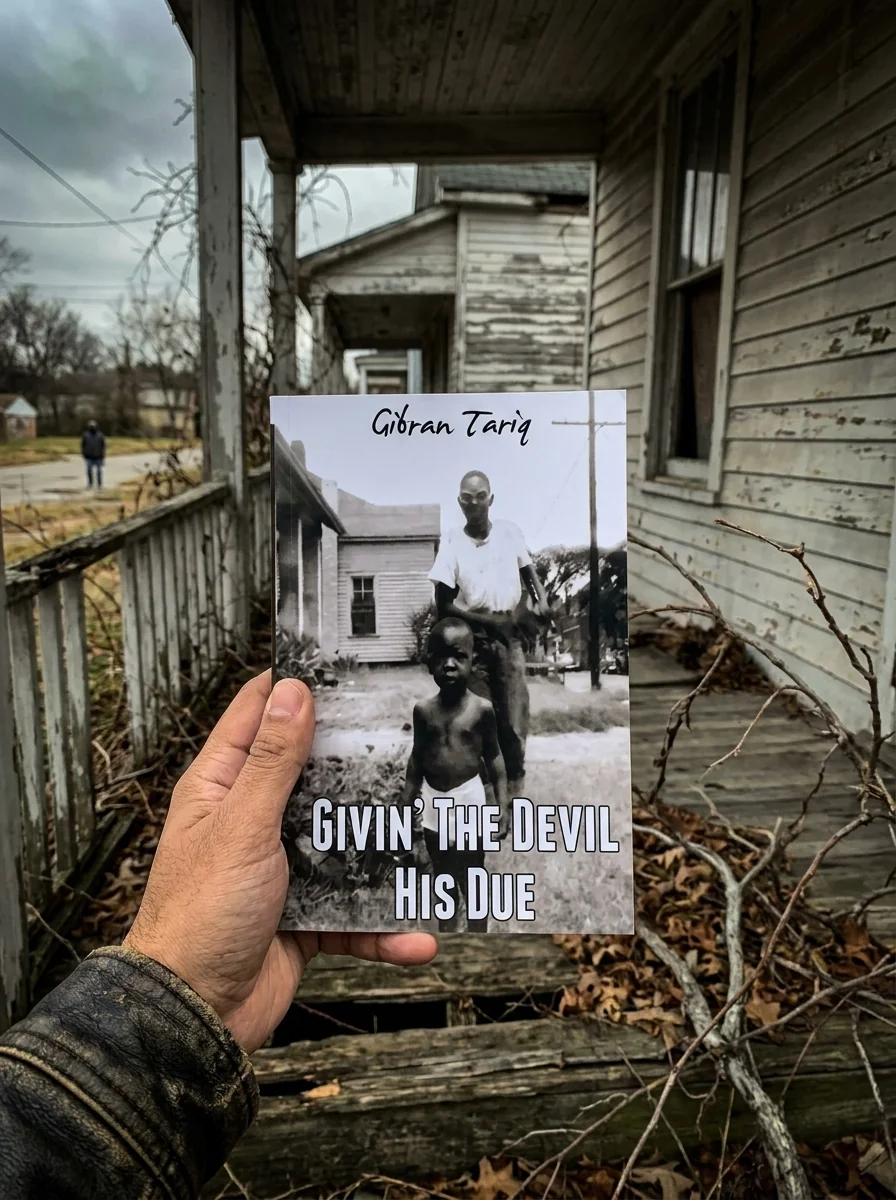
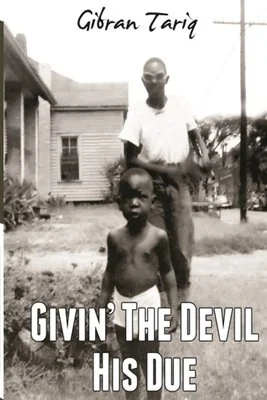
Givin' The Devil His Due
A boy prays for supernatural revenge against gentrifiers in Charlotte's First Ward.
Roscoe Brown faces the loss of his home as developers prepare to raze his neighborhood. His despair leads him to make a dangerous wish involving his deceased pet. The narrative follows the consequences of this act within a community under siege. It highlights the emotional toll of forced migration on children. The story does not shy away from the harsh realities of urban renewal policies.
The book is set in Charlotte, North Carolina, during a period of gentrification affecting the First Ward neighborhood. It addresses the specific historical context of black communities being displaced by white newcomers and urban development projects that erase local history.


📝 Description: Givin' The Devil His Due
💎 Our verdict on Givin' The Devil His Due
📖 Why choose it
Why this book is worth reading
Readers interested in gothic horror that intersects with sharp social commentary will find profound value in this narrative. It suits those willing to confront the harsh realities of urban decay and forced migration without seeking light escapism. The book offers a stark look at how displacement affects children, grounding supernatural fear in real-world sociological shifts rather than traditional tropes. It is ideal for audiences who appreciate stories that do not shy away from racial conflict or offer easy resolutions. By examining the emotional toll on young protagonists amidst erasing neighborhoods, it provides a necessary, albeit difficult, perspective on the violent displacement of communities.
⭐ Reader reviews
Reader rating
Tariq effectively merges personal grief with supernatural consequence, creating a narrative where fear stems from sociological shifts rather than mere monsters. The story excels in its specific geographical grounding within Charlotte’s First Ward, offering a poignant examination of racial tension and urban renewal policies. It avoids easy resolutions, leaving the young protagonist to face lingering questions without comfort. This approach appeals strongly to readers seeking substantive horror that engages with historical injustice. While it may not suit those looking for simple thrillers or light entertainment, it stands as a powerful testament to the cost of erasure. The work is a compelling, albeit heavy, exploration of community siege and the dangerous price of revenge.
You might also like
See more →





Have a question about this item?
Ask about the edition, condition, delivery or anything else — we reply by email or phone, usually within a day.
