Ghoul City: An Original Screenplay
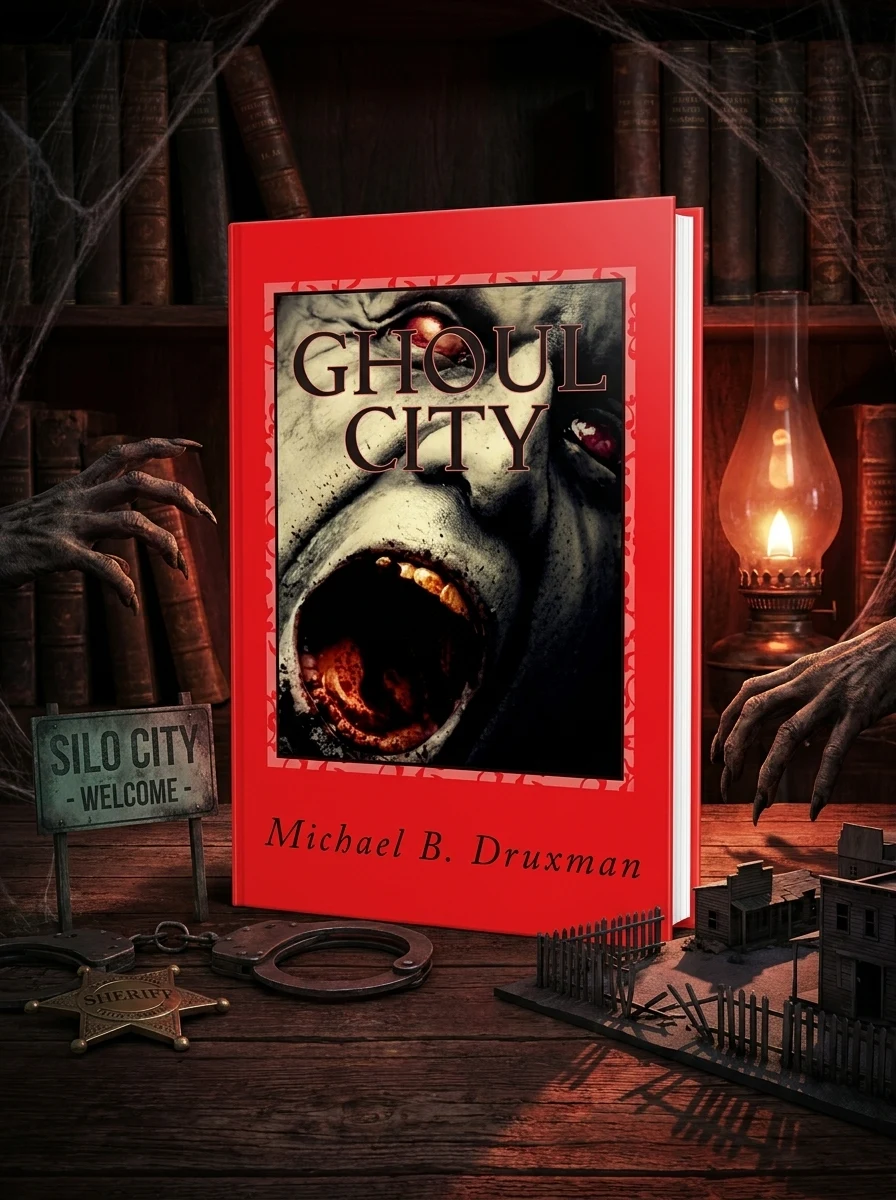
An original screenplay about a town of flesh-eating ghouls.
The story follows Greg Hemmings after he murders several townsfolk in Silo City. Sheriff Abel McIntire arrests him and hears Greg claim that the community consists entirely of ghouls. The sheriff initially rejects this explanation but later questions his own ignorance regarding the town's secrets. This screenplay format allows Druxman to focus on the psychological unraveling of authority figures when faced with supernatural threats. The narrative does not confirm whether the ghouls are real or a delusion. It leaves the reader to decide if the sheriff is protecting the town or hiding its dark reality.
Published in 2012 by Createspace Independent Publishing Platform, this work reflects the era of self-published genre fiction. It sits within the tradition of American midwestern gothic literature where isolated communities conceal ancient evils beneath quiet exteriors.


📝 Description: Ghoul City: An Original Screenplay
💎 Our verdict on Ghoul City: An Original Screenplay
📖 Why choose it
Why this book is worth reading
Readers who appreciate unconventional horror formats will find this screenplay compelling for its unique structural approach to mystery and terror. It specifically suits those interested in psychological tension, the unraveling of authority figures, and the ambiguity of supernatural threats versus delusion. Fans of midwestern noir and small-town secrets will enjoy the dialogue-driven narrative that forces them to decide if the horror is real or imagined. This work offers a fresh perspective on classic tropes by focusing on the interaction between characters rather than explicit world-building.
⭐ Reader reviews
Reader rating
Druxman effectively utilizes the screenplay format to immerse readers in the psychological unraveling of Sheriff Abel McIntire. The dialogue and action lines create immediate tension, allowing the mystery of Silo City to unfold through character interaction rather than exposition. This approach highlights the theme of institutional denial with striking clarity. While the lack of traditional prose may alienate some, it serves the narrative's goal of ambiguity perfectly. The book excels in maintaining suspense without confirming the existence of ghouls, leaving the horror to linger in the reader's imagination. It is a bold experiment that rewards patience and an openness to non-traditional storytelling structures.