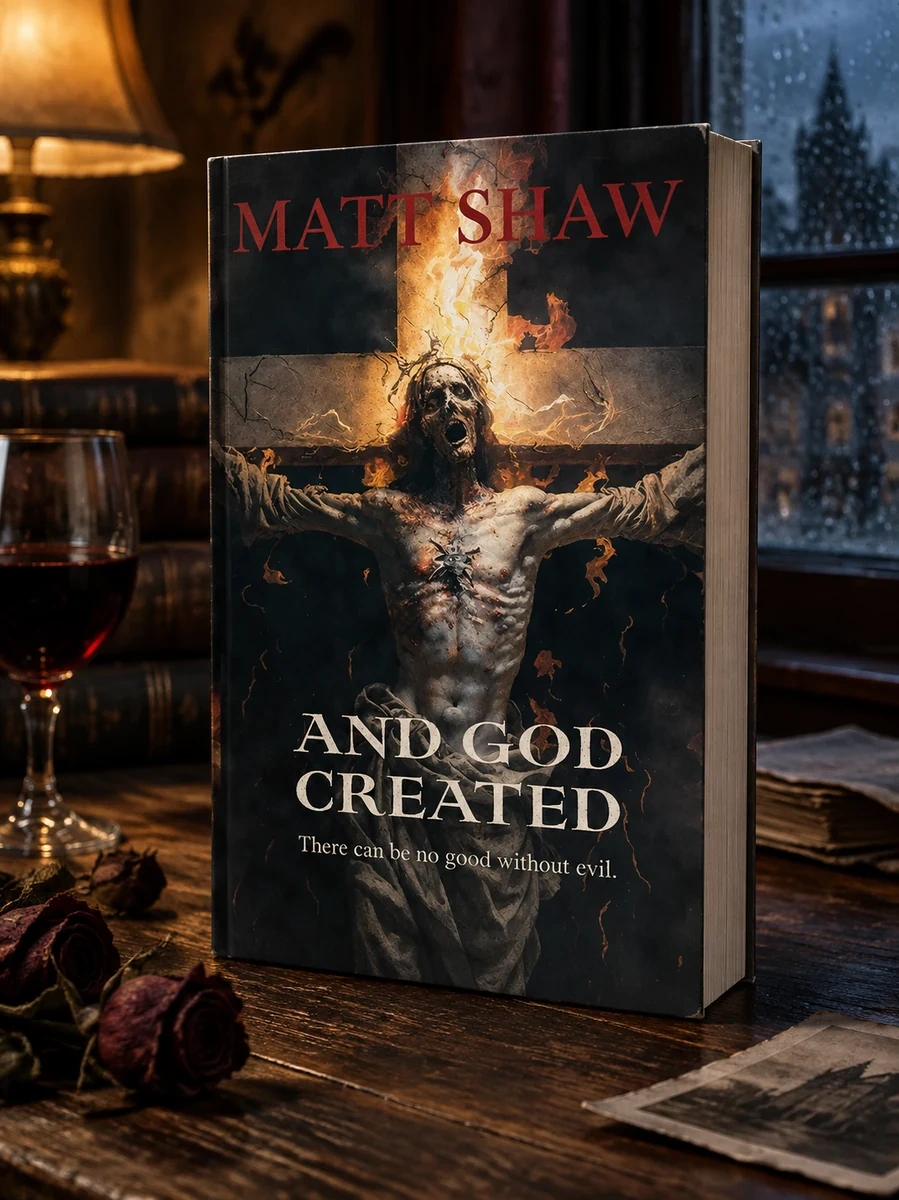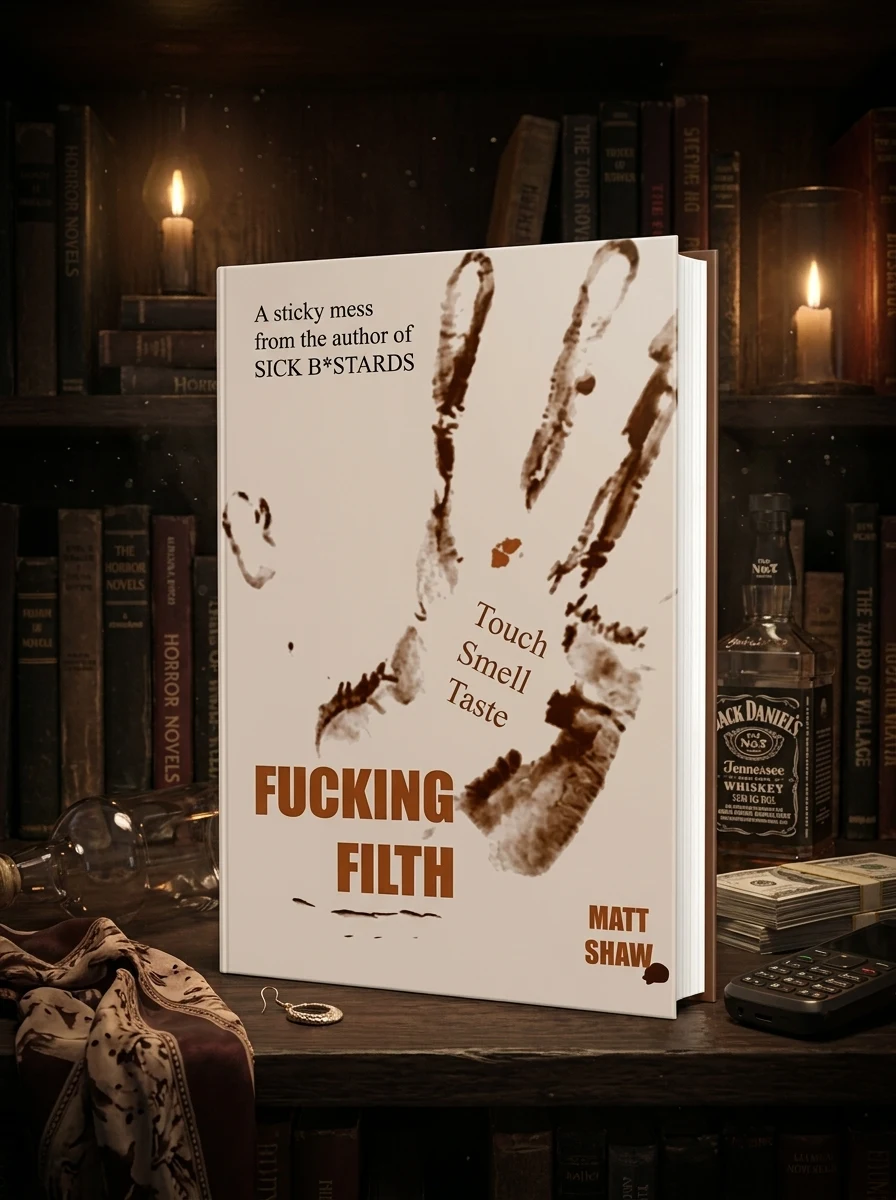

Fucking Filth
A horror novel about a lonely man trapped by his own drunken mistake.
Shaw explores the intersection of shame and survival through a single night of catastrophic error. The narrative focuses on the protagonist's internal struggle rather than external action. He must decide how to handle a victim he cannot harm but also cannot free. This creates a tense atmosphere where every potential solution leads to greater danger. The story highlights the fragility of social masks and the cost of maintaining secrets. Shaw uses this premise to question what makes someone a monster. Is it the act, or the inability to connect? The text offers a gritty look at modern alienation wrapped in supernatural thriller elements.
Published by Lulu.com in 2021, this work sits within contemporary independent horror publishing. It reflects current trends in self-published fiction that prioritize niche psychological themes over traditional genre tropes. The book appeals to American readers looking for unconventional narratives that blend gothic sensibilities with modern social anxieties.


📝 Description: Fucking Filth
💎 Our verdict on Fucking Filth
📖 Why choose it
Why this book is worth reading
Readers who appreciate psychological horror and character-driven plots will find this book particularly rewarding. It offers a gritty examination of modern isolation, moral ambiguity, and the cost of maintaining secrets. Those interested in how shame and survival intersect through catastrophic error will engage with the protagonist's internal struggle. The narrative provides an unsettling yet strangely relatable perspective on human connection and failure. It is ideal for audiences seeking depth over straightforward monster tales, offering a balance of grotesque situations with unexpected emotional resonance.
⭐ Reader reviews
Reader rating
Matt Shaw delivers a tense exploration of shame and survival through a single night of catastrophic error. By focusing on the protagonist's internal struggle rather than external action, the narrative creates a palpable atmosphere of dread. The story effectively questions what constitutes monstrosity, highlighting the fragility of social masks. While it avoids grand philosophical musings in favor of raw personal stakes, it maintains empathy for its flawed lead. This approach suits readers who enjoy psychological horror and moral ambiguity. Those seeking traditional action may find the focus on regret less appealing, but fans of character-driven plots will value the nuanced examination of isolation and hidden desires.