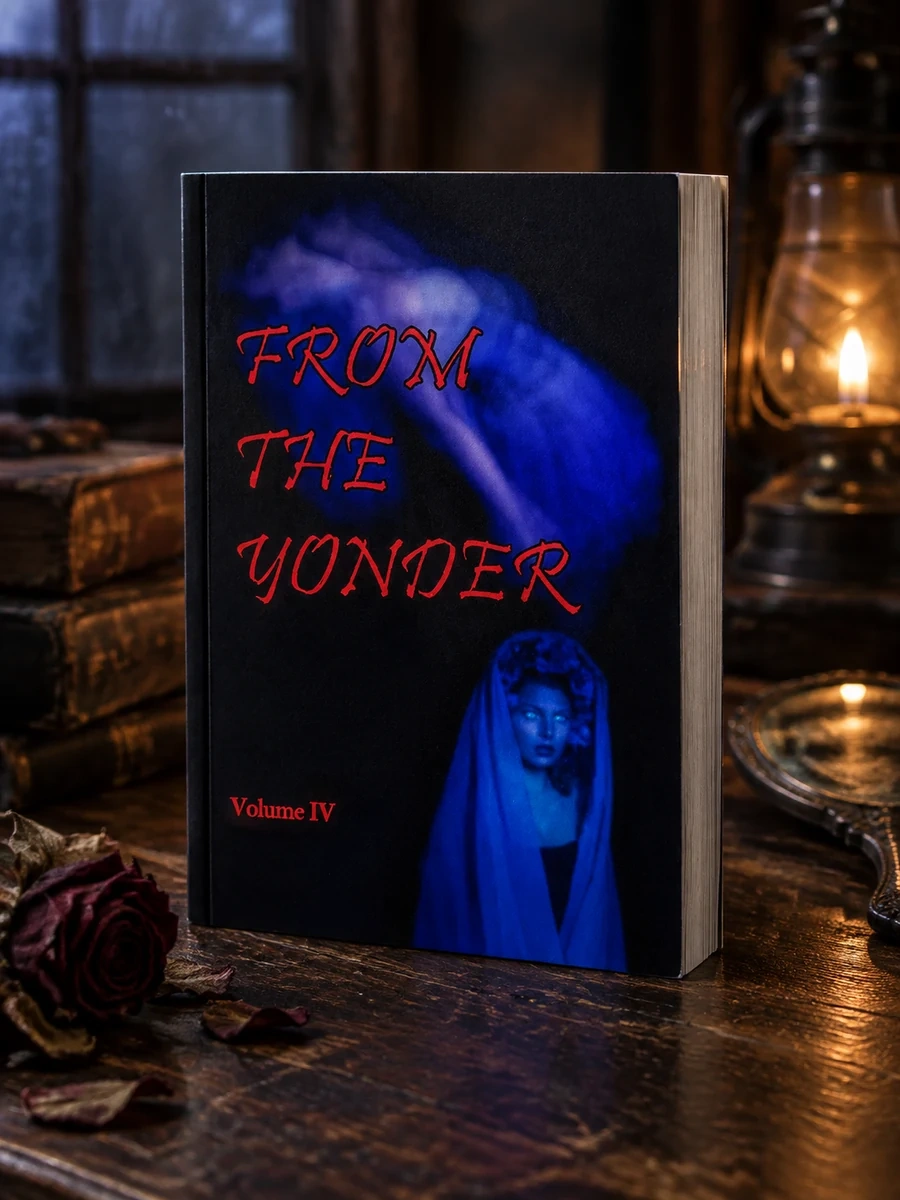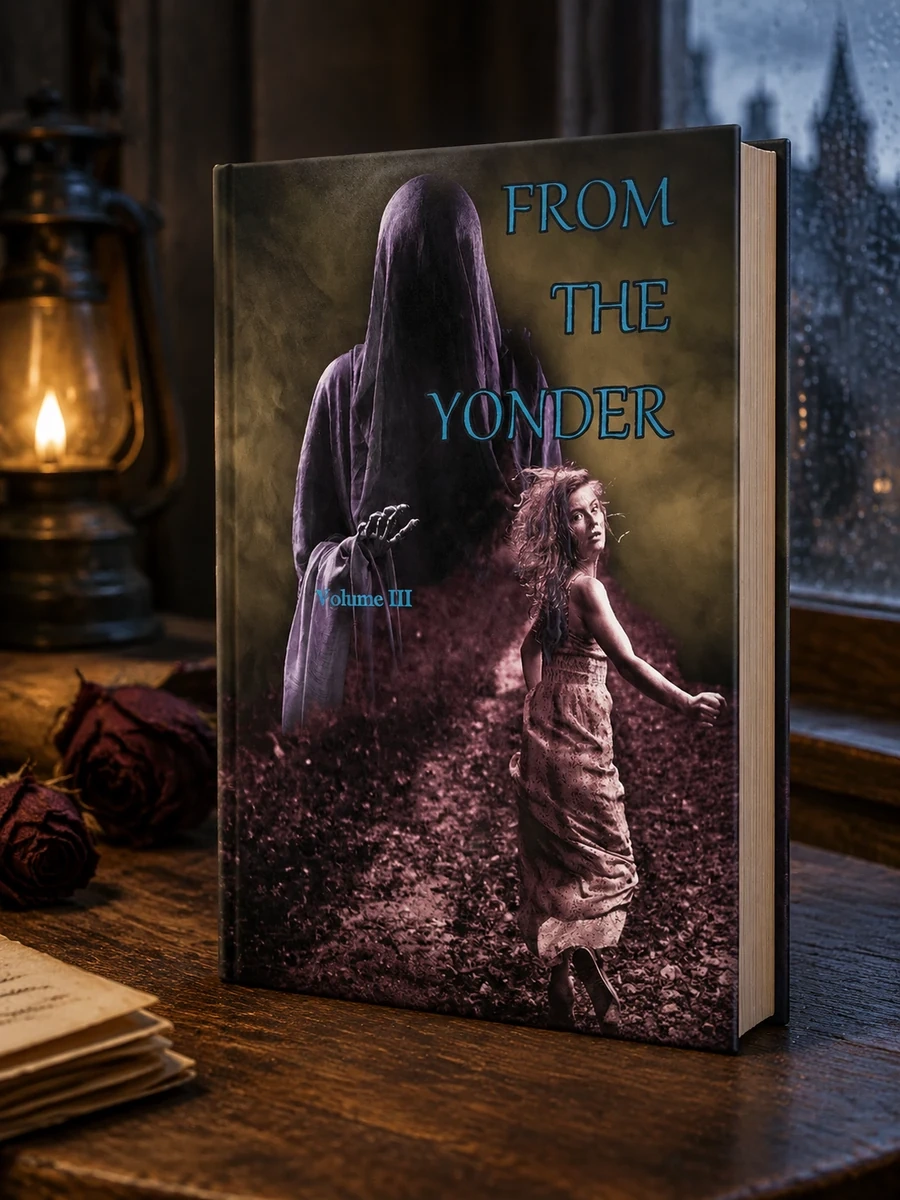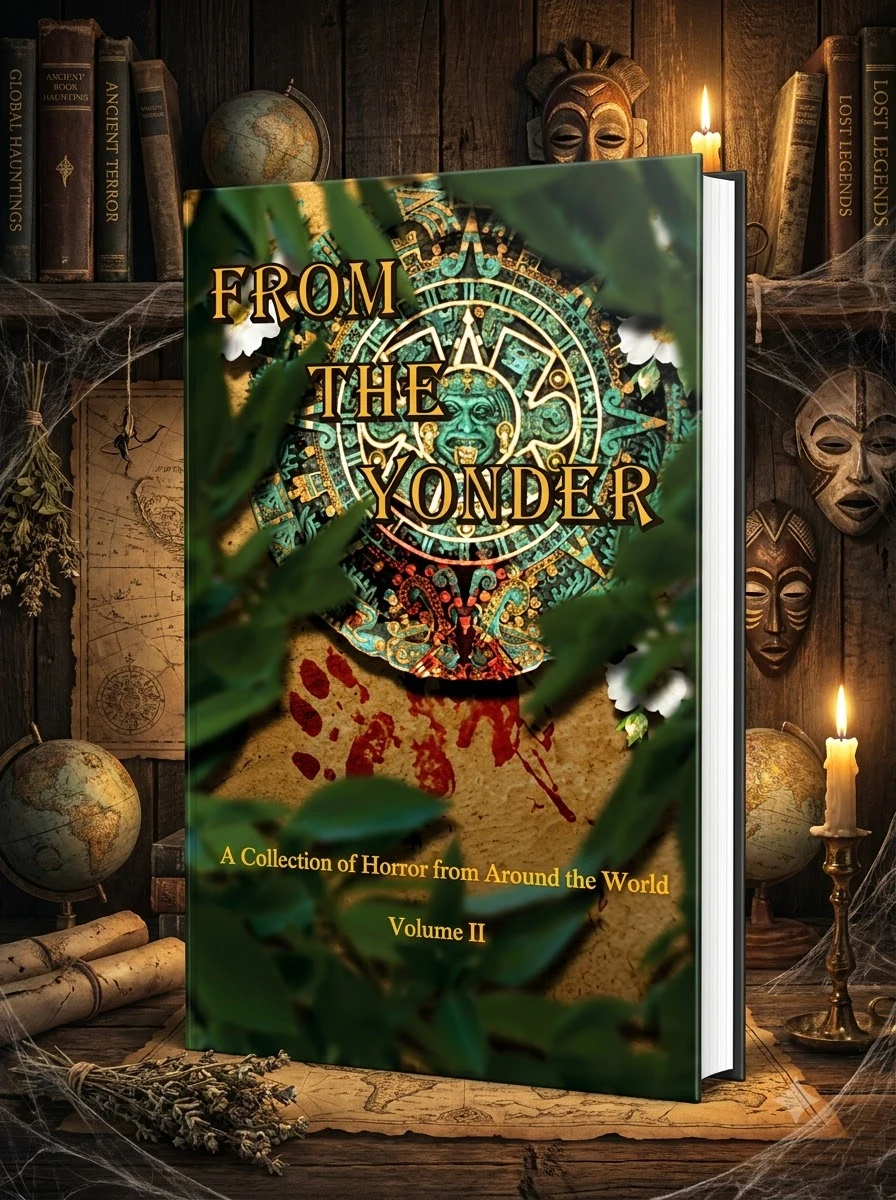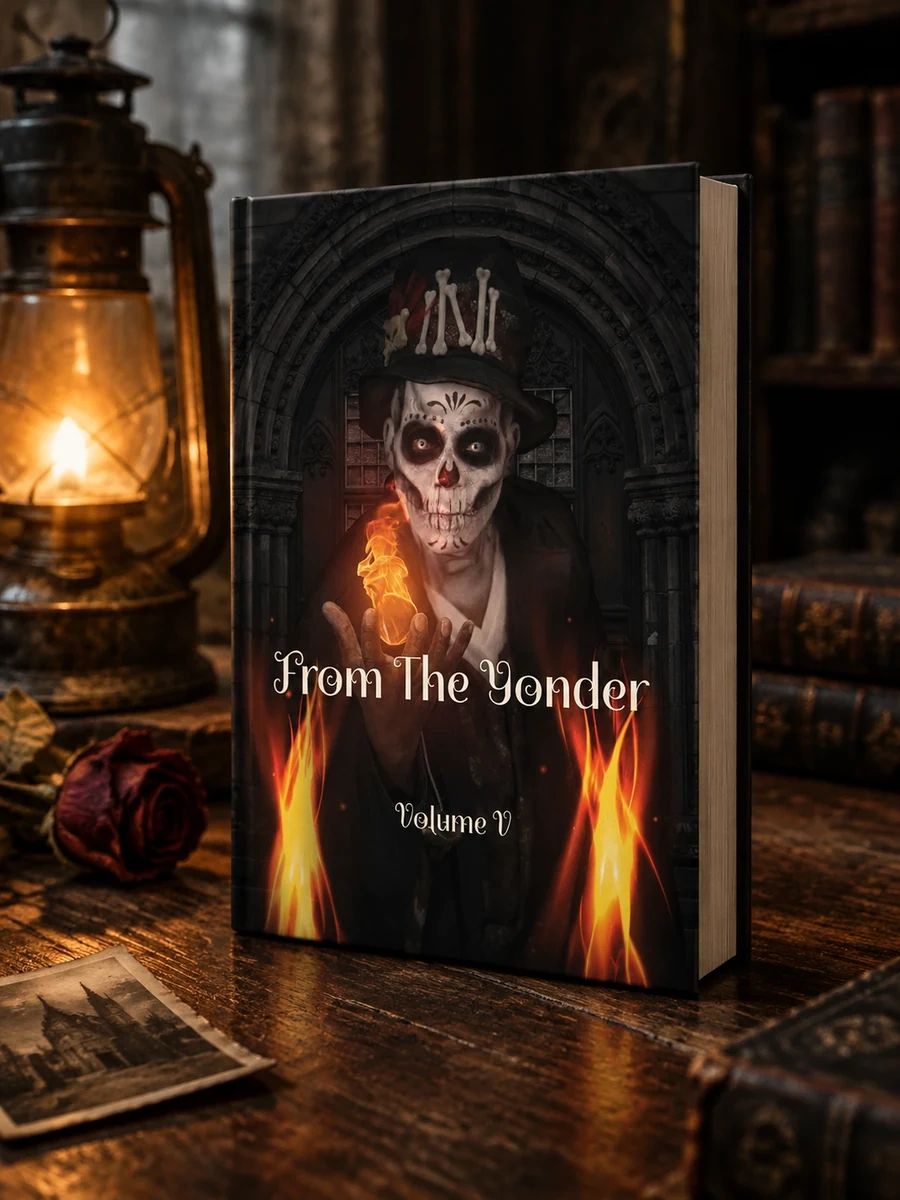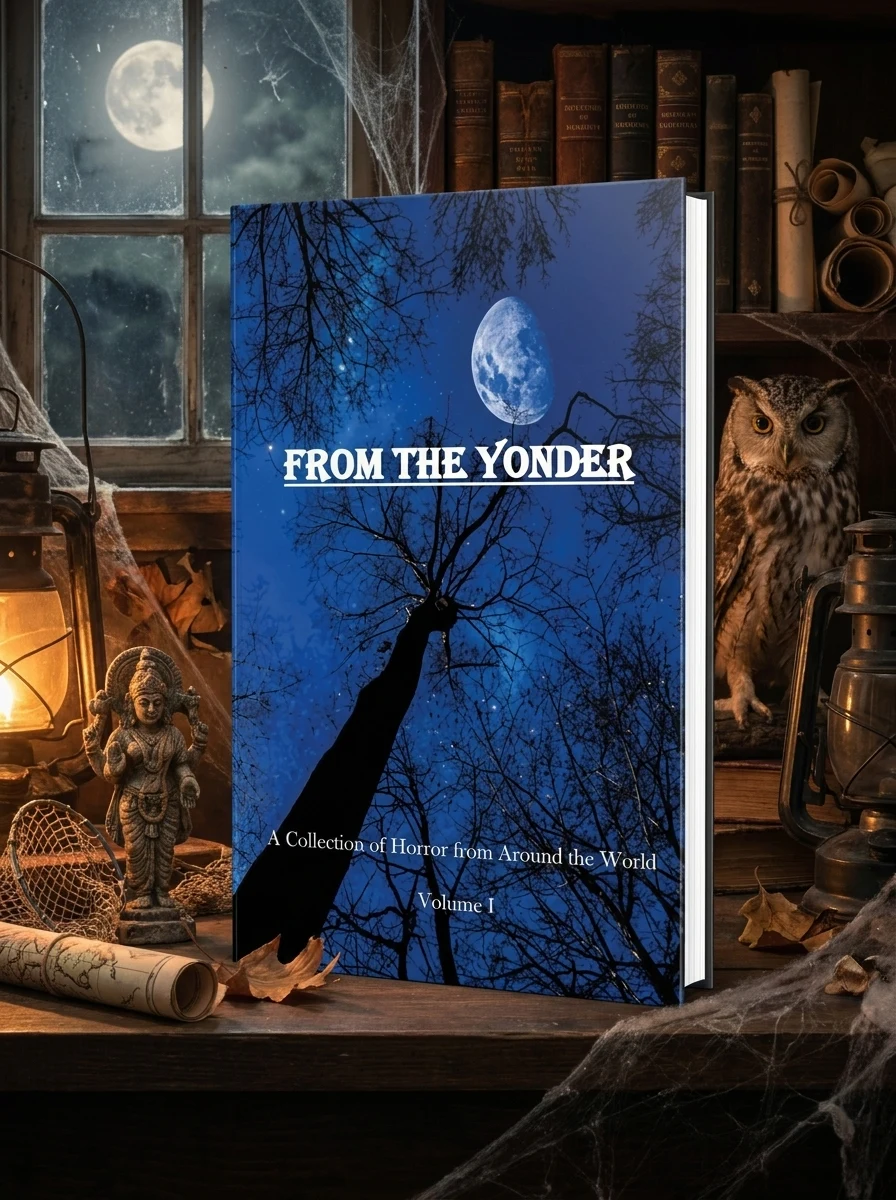
From The Yonder: A Collection of Horror from Around the World
A collection of original horror stories based on global folklore.
Joshua P Sorensen curates a set of short stories that reimagine international legends. The text moves beyond standard horror conventions by anchoring each narrative in specific regional tall tales. Sources include myths from India, Albania’s coastlines, and North American wilderness areas. This structure creates a mosaic of fear that reflects different cultural anxieties. The author does not merely retell these stories but uses them as foundations for original fiction. Readers gain access to a variety of horror subgenres united by their folkloric origins. The work avoids generic scares in favor of culturally specific dread.
The book sits within the tradition of global horror fiction, drawing on diverse international sources. It bridges the gap between ancient oral traditions and modern short story formats. The collection reflects a worldwide perspective on fear and the supernatural.


📝 Description: From The Yonder: A Collection of Horror from Around the World
💎 Our verdict on From The Yonder: A Collection of Horror from Around the World
📖 Why choose it
Why this book is worth reading
Readers who appreciate horror derived from specific cultural contexts will find this collection rewarding. Sorensen offers a mosaic of fear that reflects diverse regional anxieties rather than relying on generic scares. Those interested in how international legends can be reimagined through original fiction will gain insight into varied subgenres united by folkloric origins. The work appeals to those seeking culturally specific dread and a deeper understanding of global mythologies. It serves as an ideal bridge for readers wanting to explore darkness beyond standard American Gothic conventions.
⭐ Reader reviews
Reader rating
Sorensen successfully curates original narratives anchored in specific regional tall tales from India, Albania, and North America. The collection avoids generic tropes in favor of atmospheres constructed from raw folkloric material. This approach creates a distinct perspective on the universal nature of fear through localized traditions. It suits readers who enjoy shifting geographically and tonally between entries. While it may not appeal to those seeking traditional supernatural fiction without folkloric roots, it offers a rich exploration of cultural anxieties. The work stands as a compelling example of horror derived from diverse global mythologies.