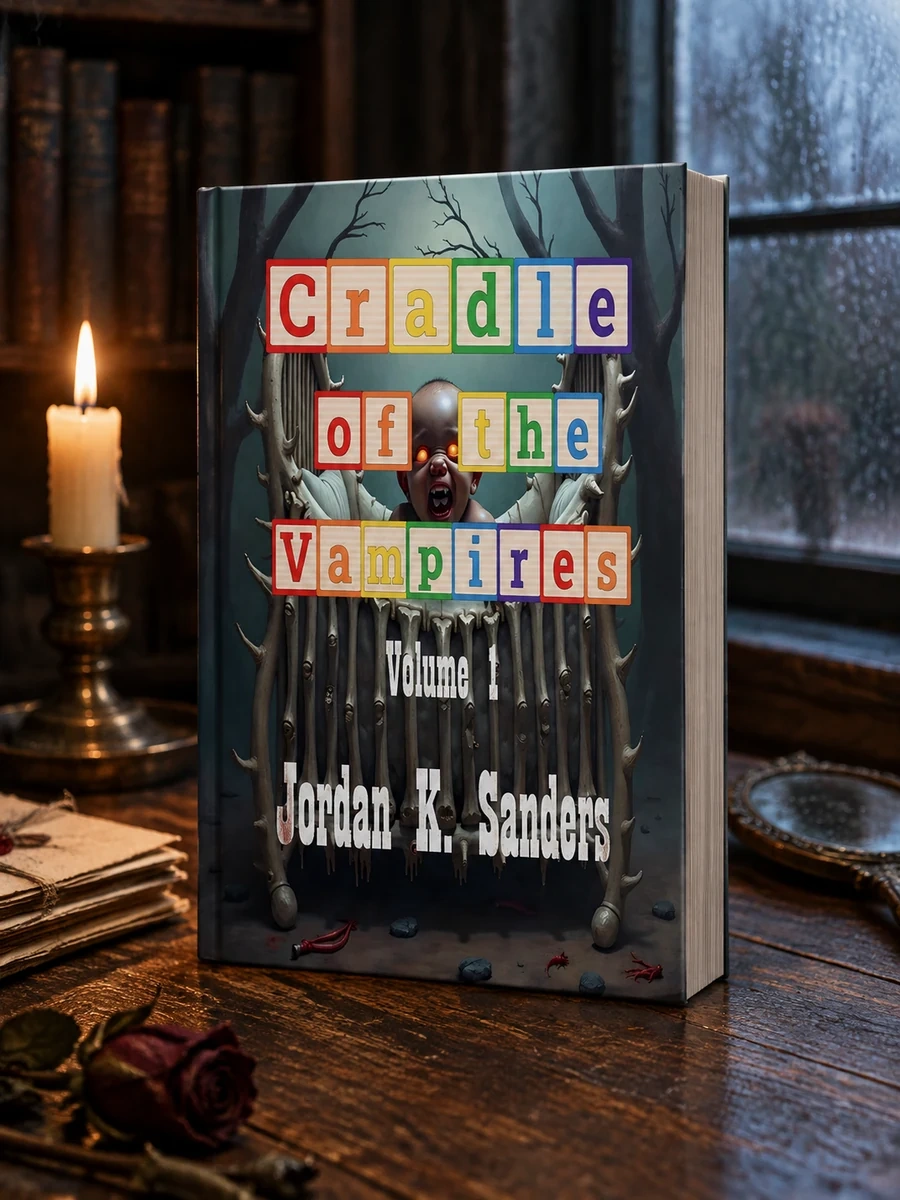
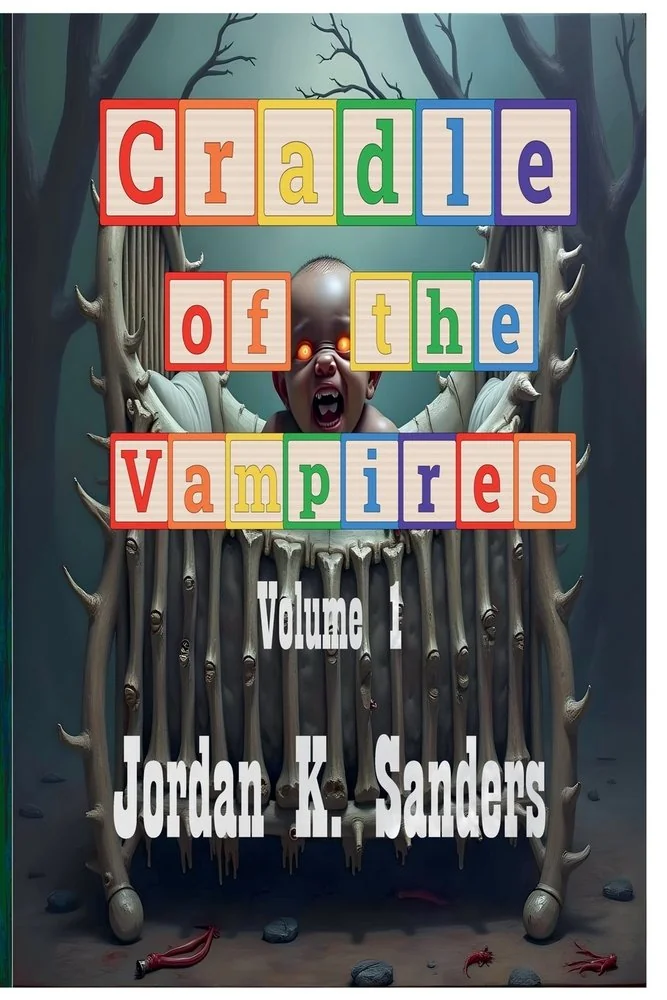
Cradle of the Vampires
A medieval vampire struggles with creativity and memory while facing a hunter made by the same dark magic.
Sanders explores the psychological toll of immortality through Lotharious, who lacks imagination despite mimicking art. His photographic memory traps him in past horrors. The story examines how torture becomes an addiction for one seeking to understand human creativity. A romance introduces doubt about the value of life. Marious Ambros, a hunter created by similar means, opposes him. The narrative contrasts their fates against a backdrop of Viking threats and royal desperation. Sanders uses this framework to question what makes us human. The book does not offer easy answers or heroic triumphs. Instead, it presents a grim examination of power and loss. Readers interested in the origins of vampire lore will find a unique perspective here. The focus remains on character motivation rather than external battles alone.
The story is set during the tumultuous medieval era, focusing on a king’s desperate measures against Viking invaders. Sanders draws on alchemy, mysticism, and necromancy to explain the creation of vampires. This historical period provides the backdrop for the supernatural events.


📝 Description: Cradle of the Vampires
💎 Our verdict on Cradle of the Vampires
📖 Why choose it
Why this book is worth reading
Readers seeking a grim, character-driven examination of immortality will find deep satisfaction in this narrative. It appeals to those interested in the psychological toll of eternal life and the nature of humanity. The book offers a unique perspective for fans of vampire origins who prefer internal conflict over external battles. Those drawn to dark fantasy with historical roots will appreciate the grounded medieval setting. It is ideal for audiences who enjoy exploring creativity, memory, and loss without easy answers or heroic triumphs.
⭐ Reader reviews
Reader rating
Sanders delivers a profound exploration of power and loss through Lotharious’s struggle with creativity and memory. The narrative effectively contrasts his photographic trauma against Marious Ambros’s opposing fate. This approach questions the value of life and human nature without relying on modern tropes. The focus remains tightly on character motivation, creating a dense, atmospheric experience. It suits readers who enjoy psychological horror and gothic traditions. Those seeking fast-paced action may find it too slow, but fans of dark fantasy will appreciate its depth. The text avoids easy resolutions, offering instead a stark look at unnatural creation.