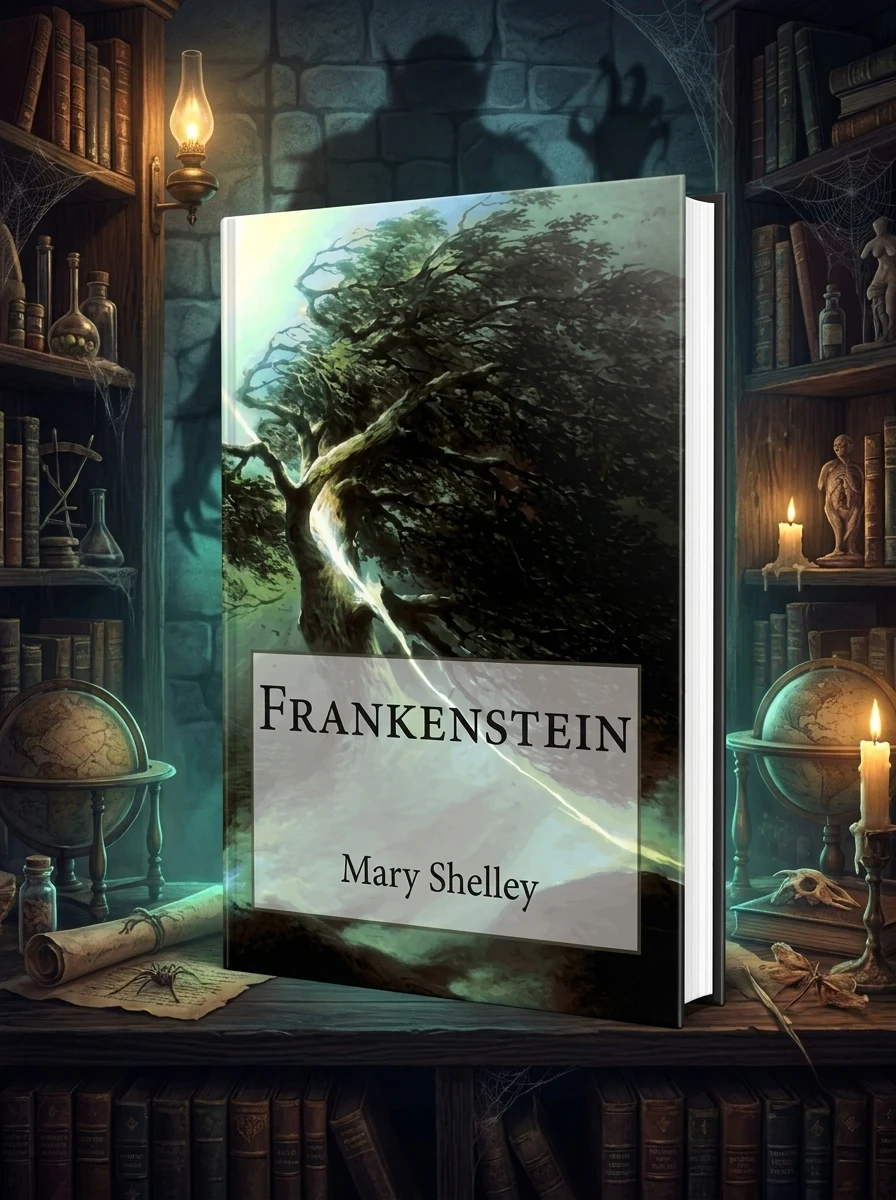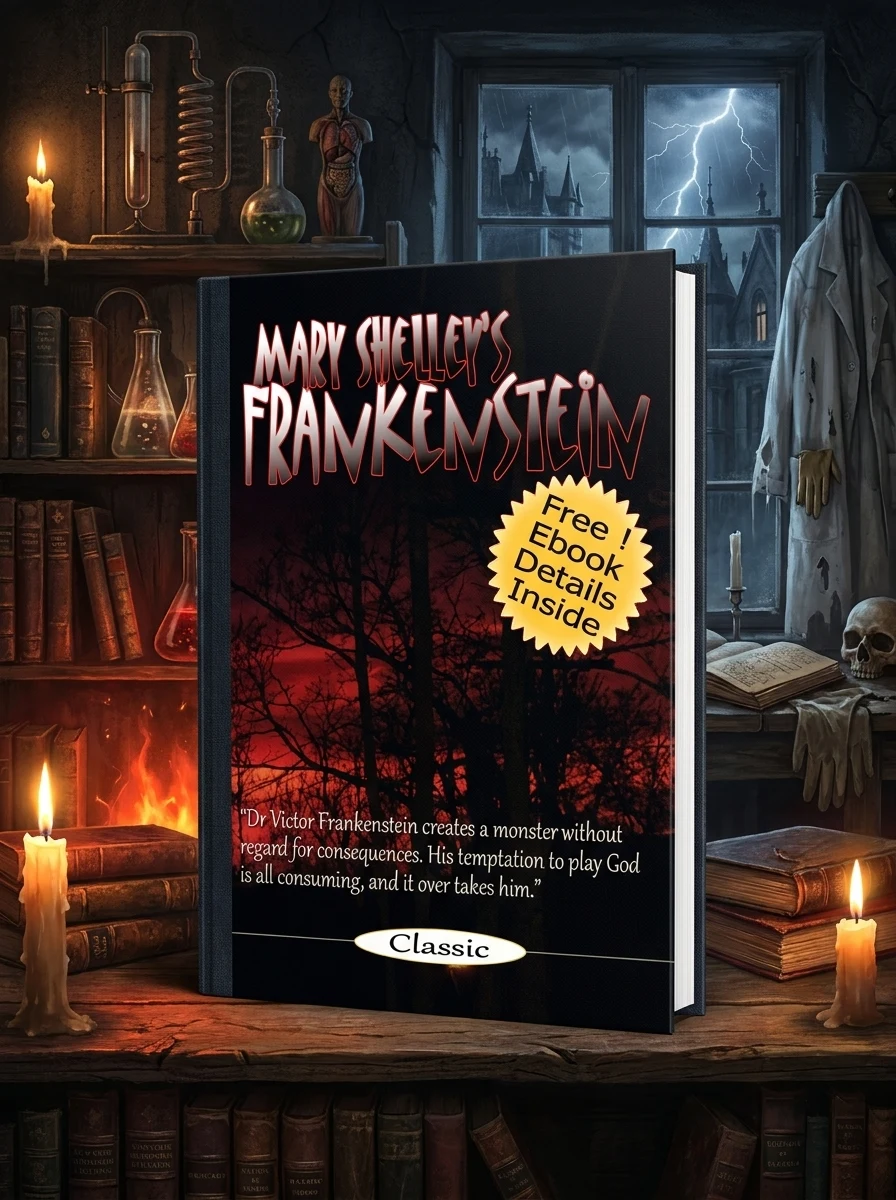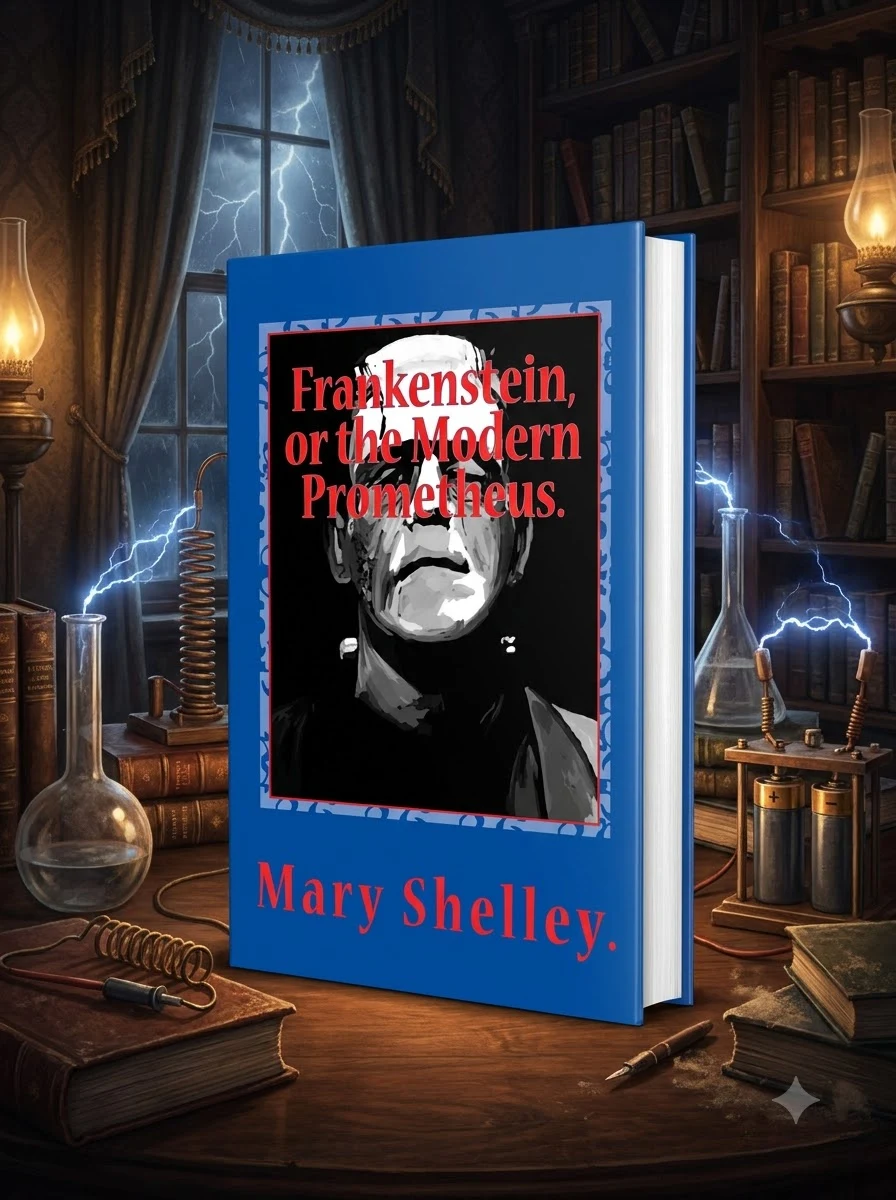

Frankenstein, or the Modern Prometheus.
Mary Shelley's 1818 novel about a scientist who creates a sentient monster.
The text traces the life of Victor Frankenstein as he pursues forbidden knowledge to animate dead matter. His creation becomes a source of horror rather than triumph, reflecting Shelley's early engagement with philosophical questions about creation and ethics. The novel emerged from her youth, written when she was only eighteen, capturing the raw energy of a new literary voice. It stands apart from later adaptations by focusing on the psychological weight of the creator's burden rather than just the monster's violence. The story remains a foundational text for understanding how scientific ambition can lead to tragic outcomes in the hands of the unprepared.
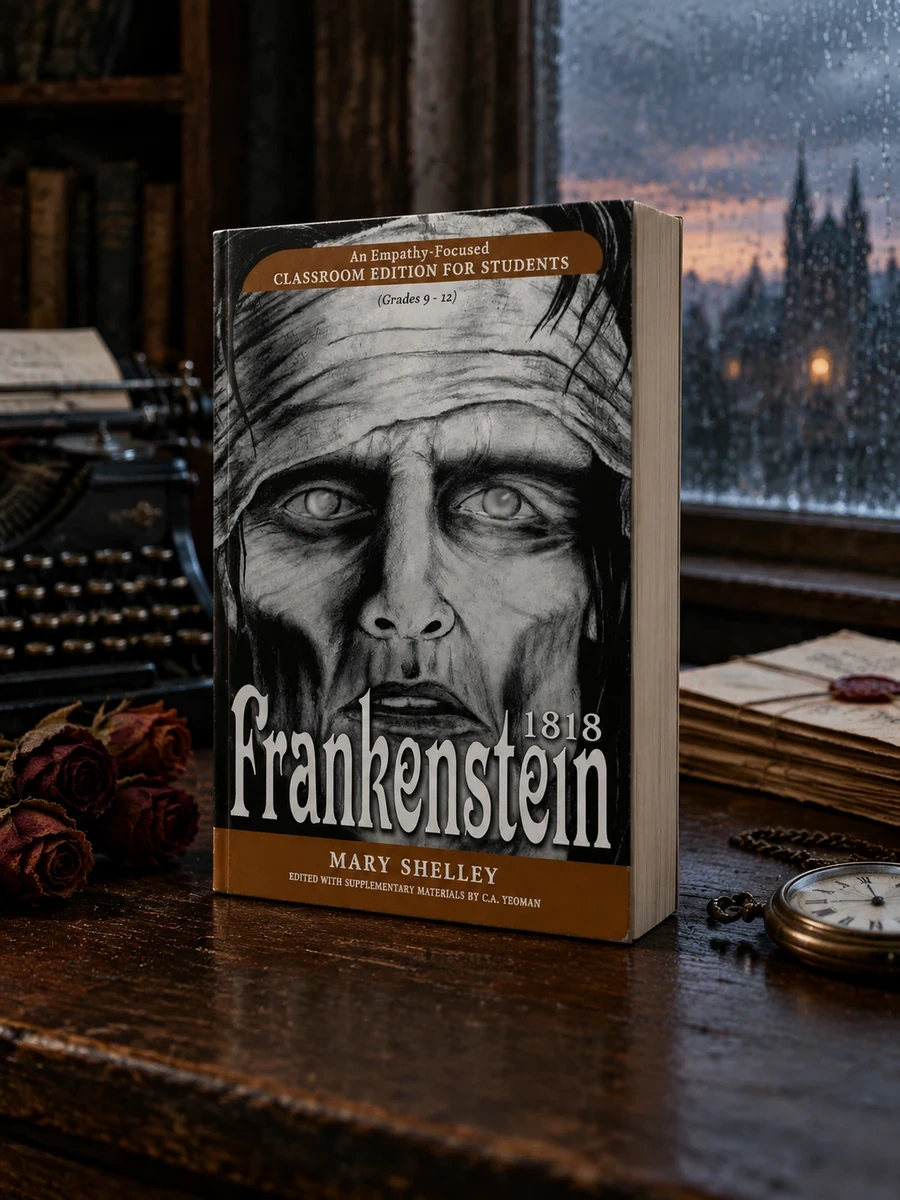
Shelley started writing when she was 18. The first edition published anonymously in London in 1818 when she was 20. Her name appeared on the second edition published in France in 1823. This 2015 Createspace edition preserves that historical legacy for modern readers.


📝 Description: Frankenstein, or the Modern Prometheus.
💎 Our verdict on Frankenstein, or the Modern Prometheus.
📖 Why choose it
Why this book is worth reading
This book offers readers a profound engagement with the psychological weight of scientific ambition and its tragic consequences. It is ideal for those interested in the origins of science fiction horror and philosophical questions regarding creation, ethics, and responsibility. Readers who appreciate dense, atmospheric narratives rooted in intellectual pursuit will find value in Shelley's raw energy and early literary voice. It suits those willing to look past modern action tropes to explore the burden of the creator. The text provides a unique window into early nineteenth-century literature, allowing readers to understand how unchecked ambition can lead to horror rather than triumph. It is essential for anyone seeking to comprehend the roots of cosmic and psychological horror traditions.
⭐ Reader reviews
Reader rating
Shelley’s work stands as a seminal piece of gothic and supernatural fiction, distinguished by its focus on the creator's psychological burden rather than mere monster violence. The narrative excels in capturing the raw energy of a new literary voice at eighteen, offering a dense exploration of Enlightenment anxieties. It is best suited for readers who value atmospheric depth over fast-paced action or jump scares. By tracing Victor Frankenstein’s pursuit of forbidden knowledge, the text effectively illustrates how scientific ambition can result in profound tragedy. This edition preserves the philosophical core of the original, making it a vital resource for understanding the intersection of ethics and science in horror literature. It rewards patience with its intellectual rigor.