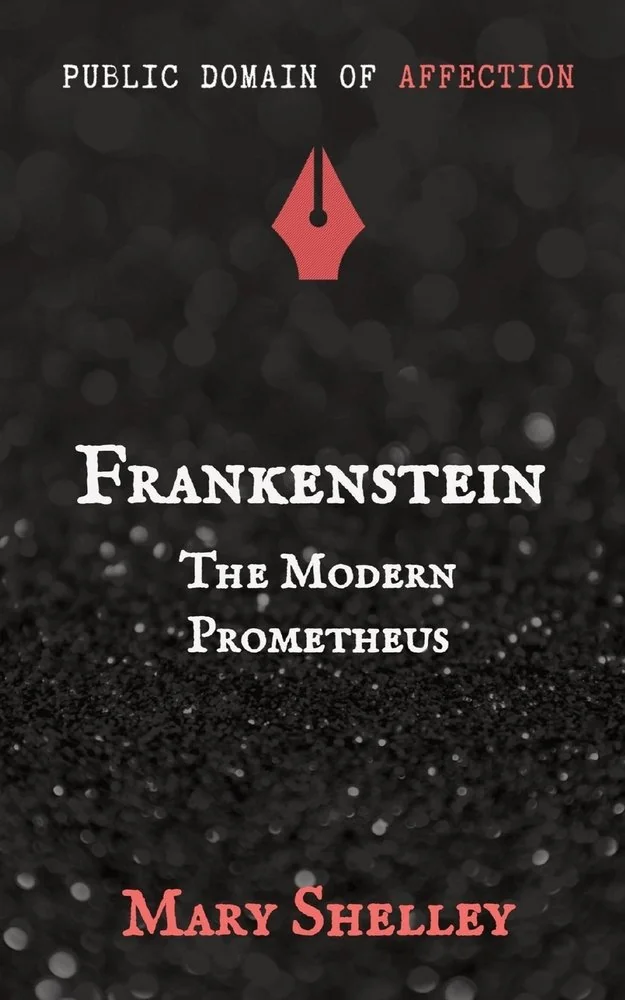
Frankenstein
Mary Shelley's 1818 novel about a scientist creating a sapient creature.
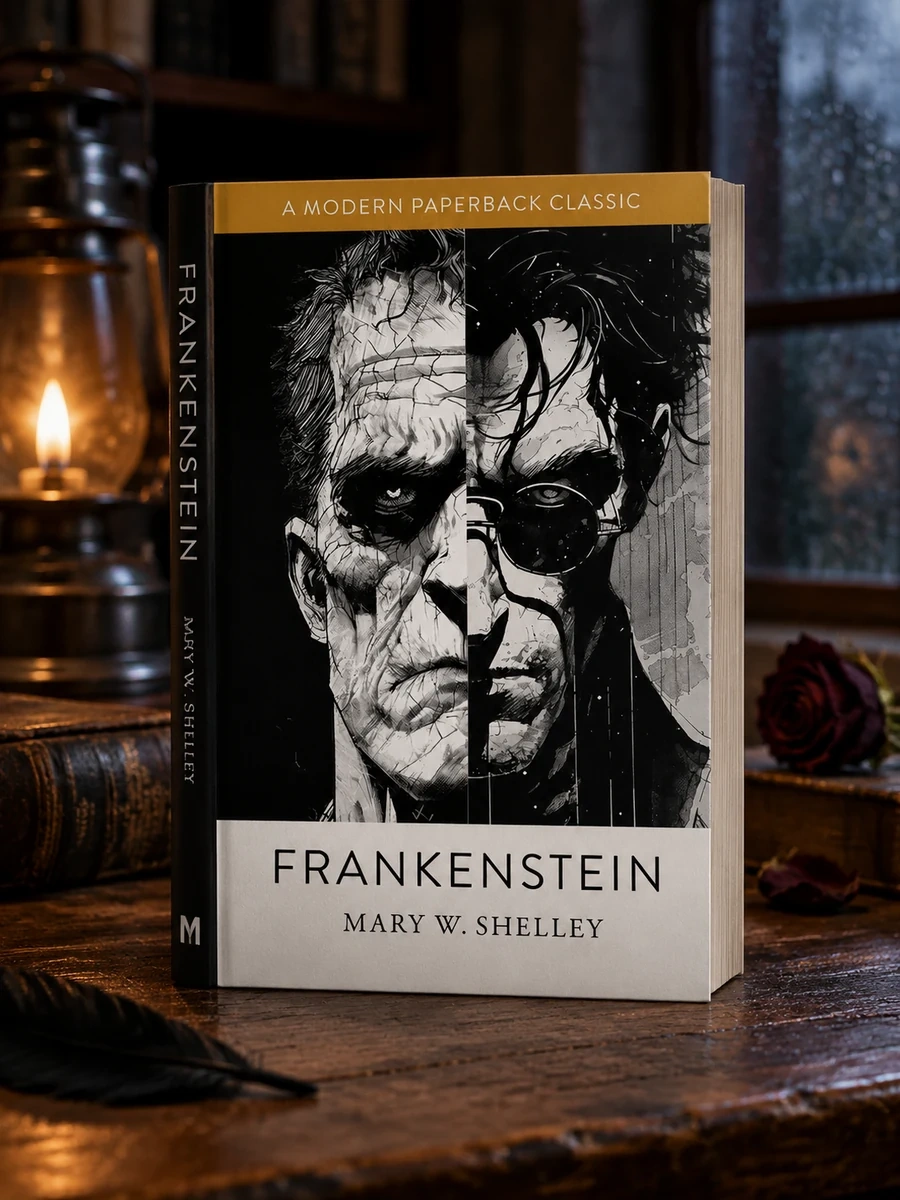
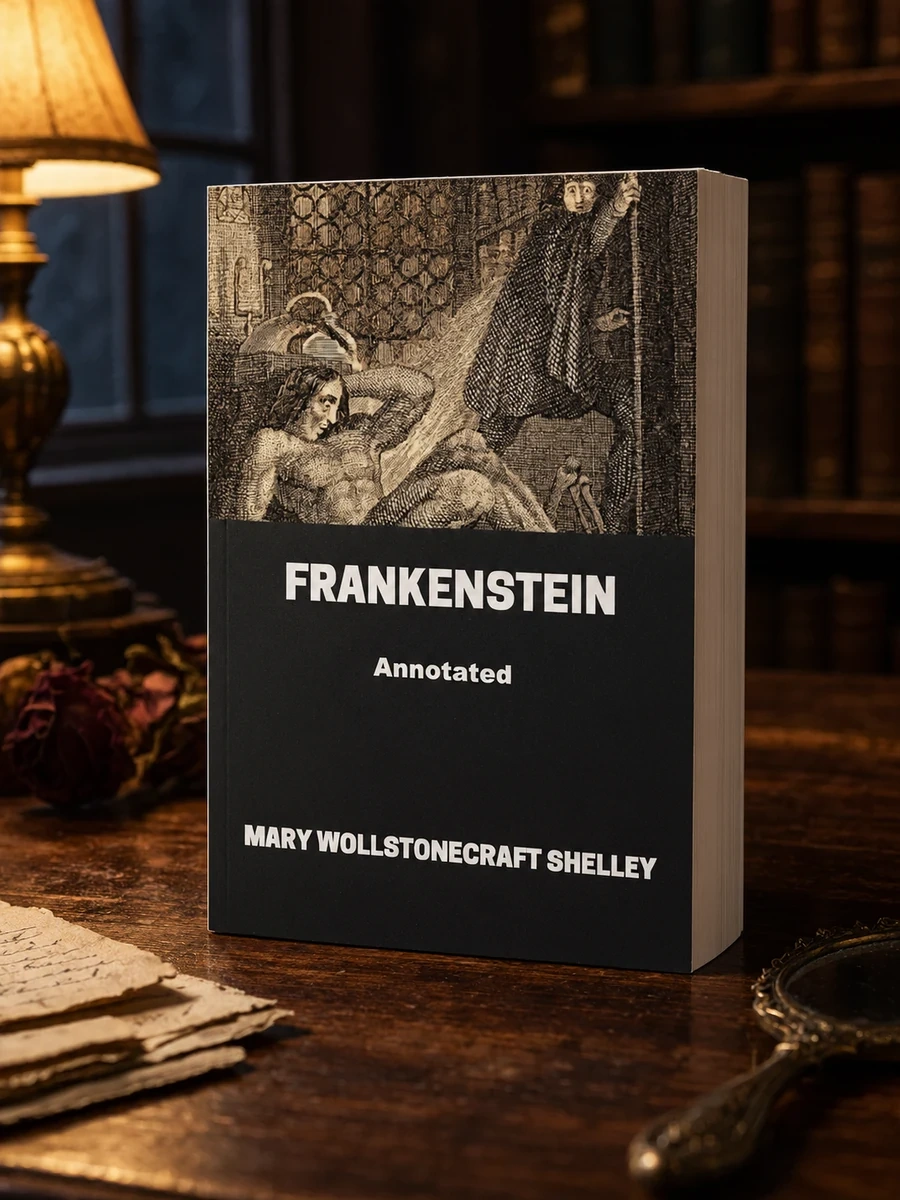
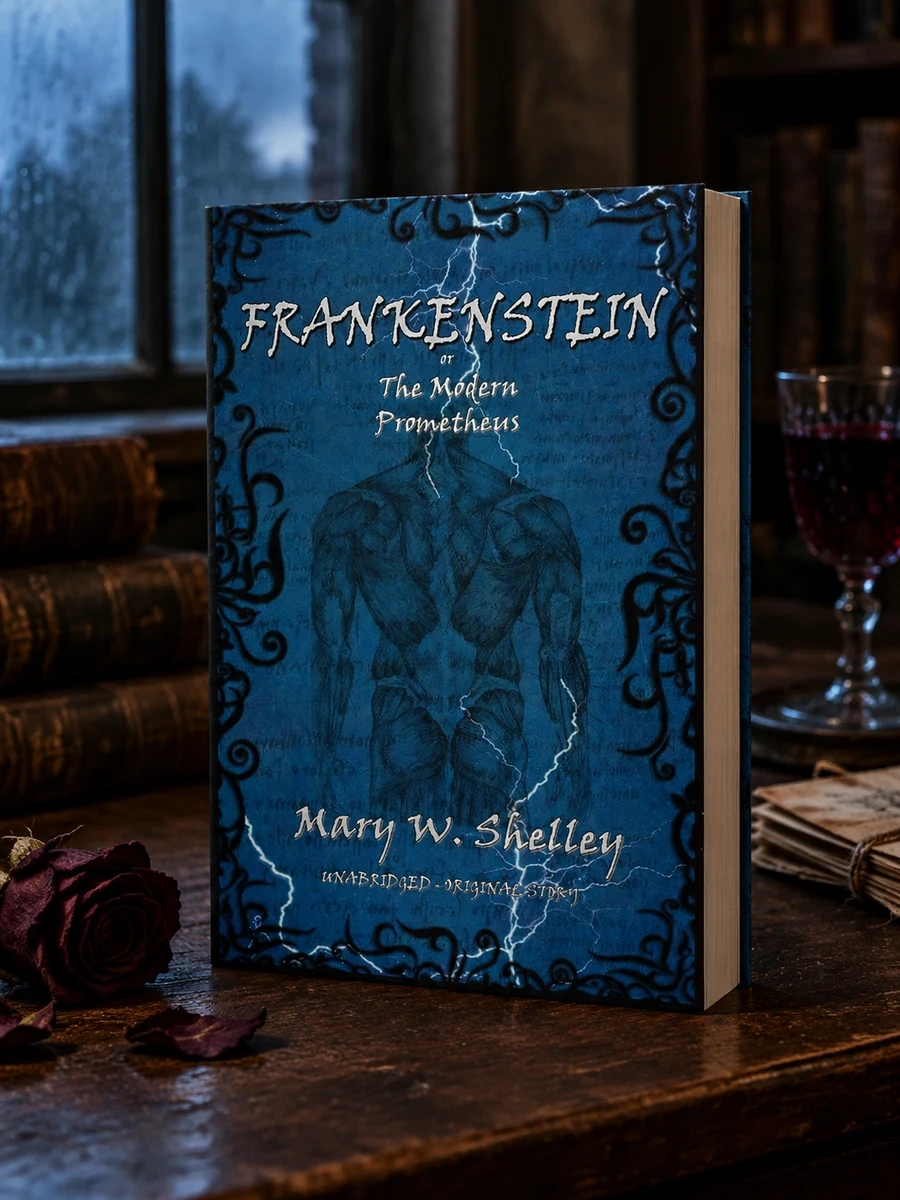
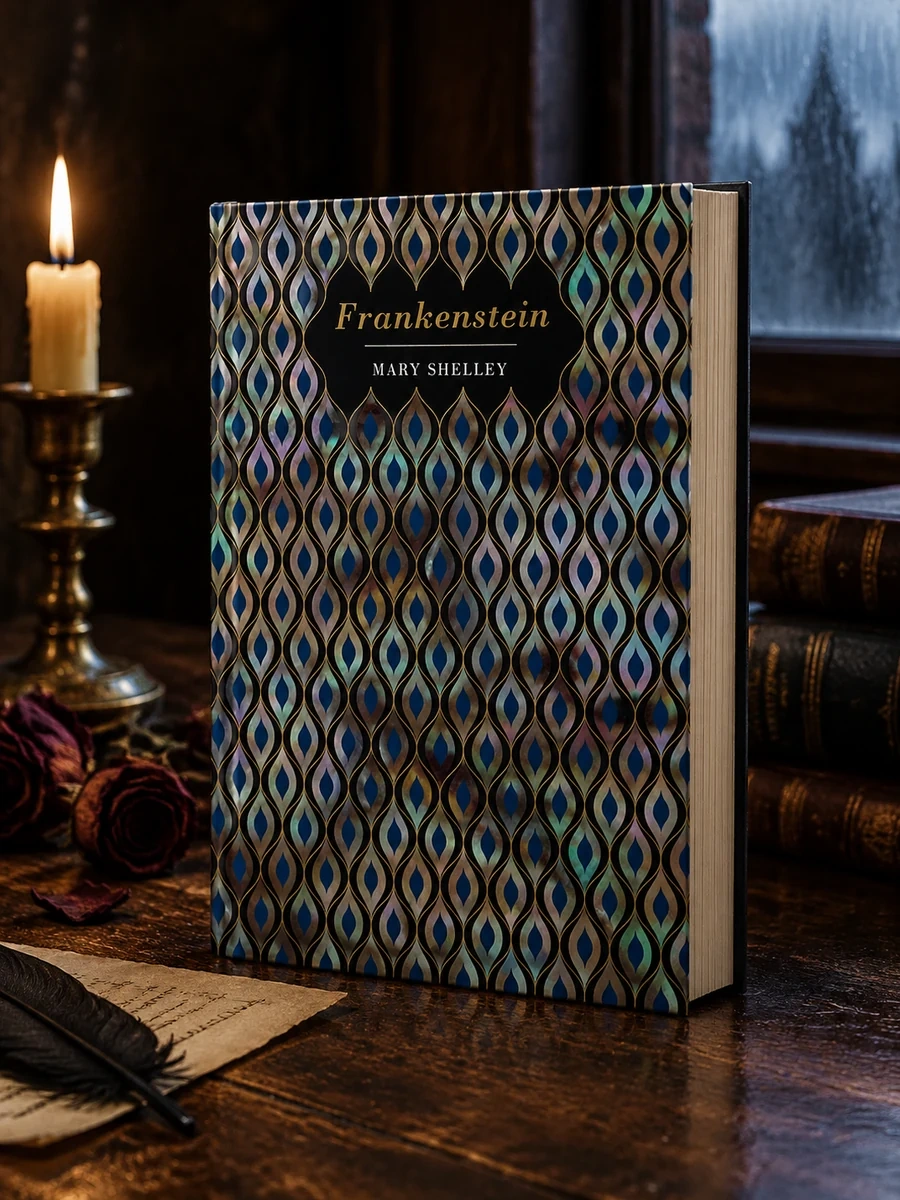
This edition presents the original 1818 text by English author Mary Shelley. The plot centers on Victor Frankenstein, who uses modern laboratory experiments to create life. Brian Aldiss identifies this as the first true science fiction story due to the character's deliberate choice of scientific methods over magic. The work combines Gothic and Romantic traditions to examine the creator's responsibility toward his creation. It offers a look at how one decision can reshape literature and spawn new genres.
Published in 1818, this English novel by Mary Shelley blends Gothic and Romantic traditions. Brian Aldiss classifies it as the first true science fiction story. It has influenced literature and spawned a complete genre of horror stories, films, and plays.


📝 Description: Frankenstein
💎 Our verdict on Frankenstein
📖 Why choose it
Why this book is worth reading
Readers who appreciate tales of scientific hubris and supernatural events will find this edition compelling. It offers a profound look at how one decision can reshape literature and spawn new genres. Those seeking straightforward adventure without philosophical undertones may prefer other titles, but fans of dark fantasy and gothic horror will value its exploration of the creator's responsibility toward his creation. The narrative has influenced popular culture significantly, spawning countless films, plays, and stories. This work remains essential for understanding the origins of speculative fiction and the intersection of Romanticism with emerging scientific ideologies.
⭐ Reader reviews
Reader rating
This edition presents the original text of a seminal work that combines Gothic atmosphere with Romantic philosophy. It excels in examining the moral implications of creating life through modern laboratory experiments. The narrative challenges readers to consider the ethical burdens of ambition and the potential dangers of unchecked scientific progress. While it may not suit those seeking simple action, it rewards patients with deep thematic resonance. The story’s enduring impact on horror fiction and science fiction underscores its importance. It is a vital read for anyone interested in the evolution of speculative genres or the psychological depths of character-driven horror. Its legacy as the first true science fiction story makes it indispensable.