
Finding The Lifelight
Aria uses ghost allies and flashlight dreams to defeat a dark force in this supernatural conclusion.
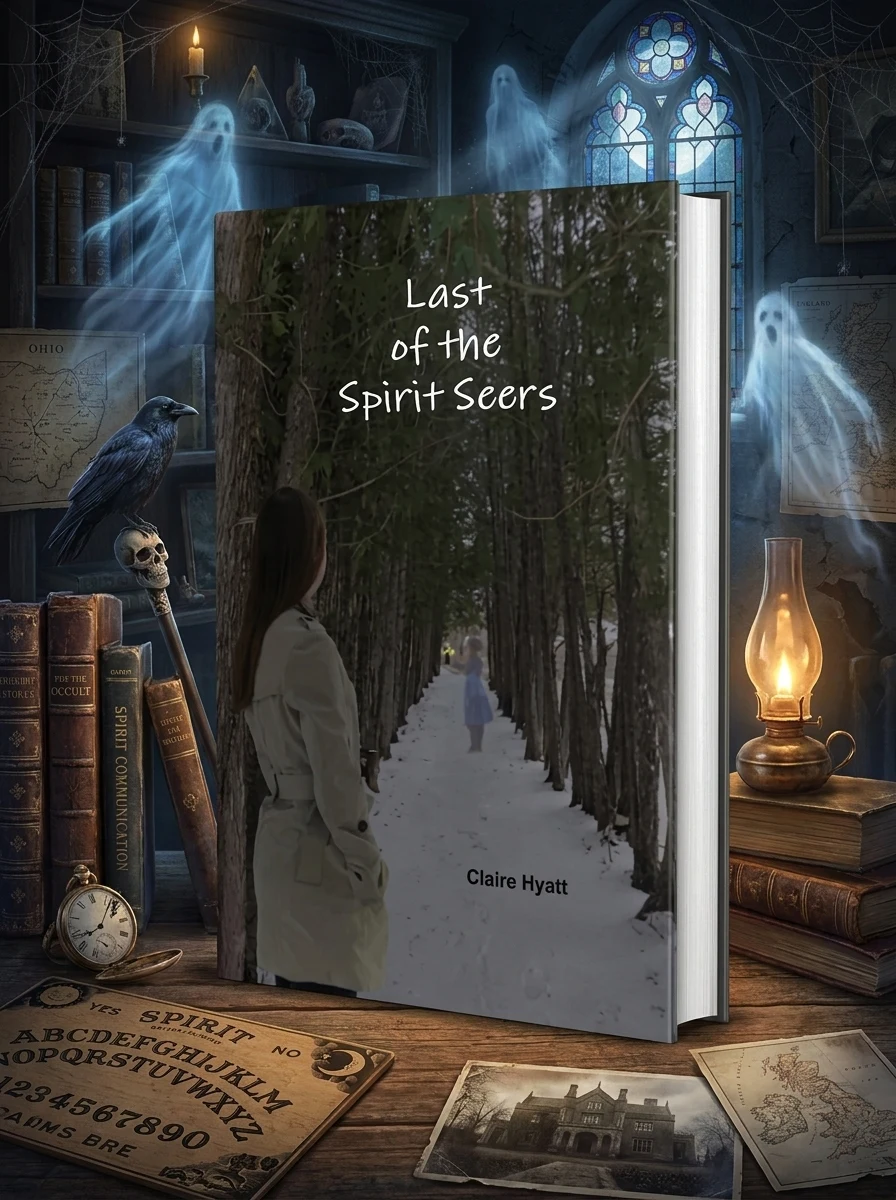
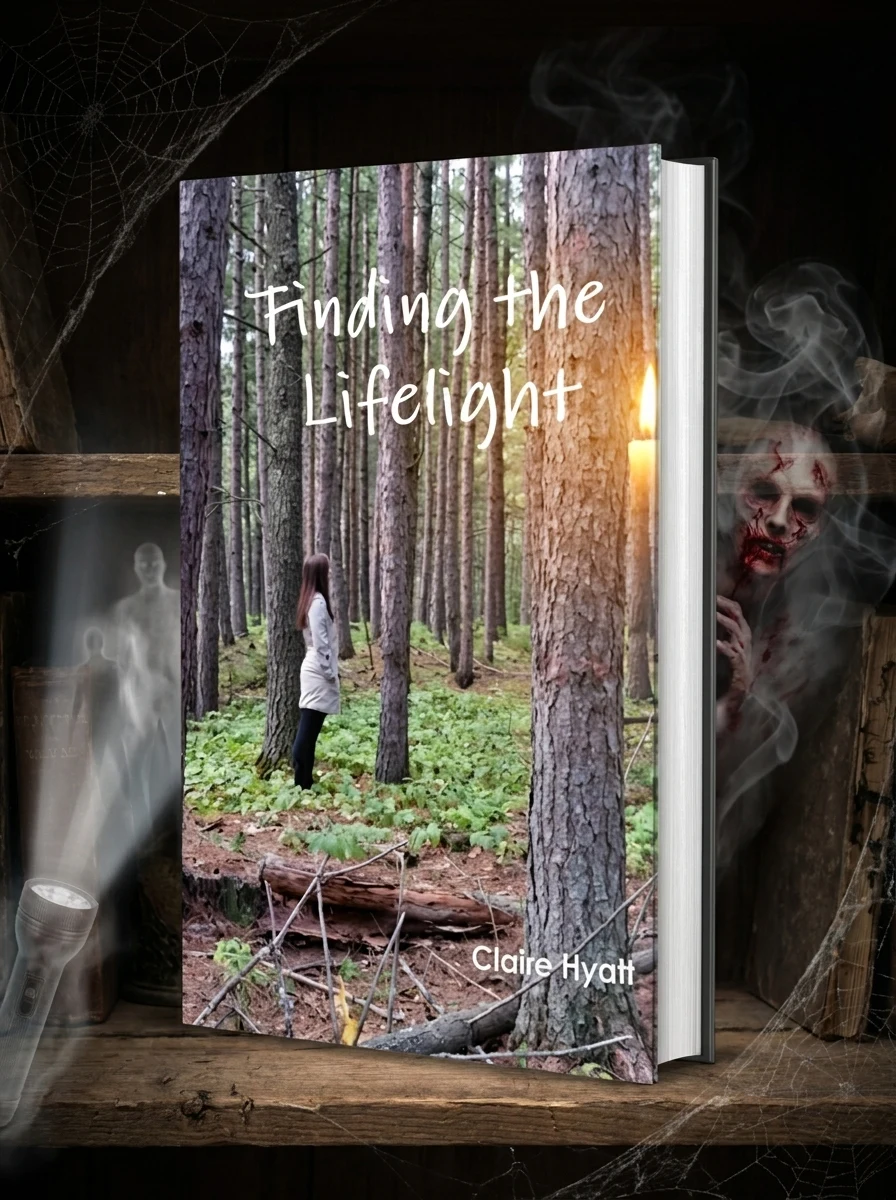
Finding The Lifelight serves as the final chapter in Claire Hyatt’s spirit seers epic. Aria teams up with her friends to stop a dark force killing spirit seers. She plans to use help from the dead to end the evil permanently. Ghosts with bloody faces and peeling skin whisper at night, creating a tense atmosphere. Aria dreams of flashlight men and questions if they are the key to finding the Lifelight. This dream sequence drives the plot toward its resolution. The book completes the epic battle between good and evil. Hyatt writes within the horror and supernatural fiction genres. Readers who like ghost stories and seer narratives will find this fitting. Those preferring realistic plots might not connect with the spectral elements.
This 2015 release by Claire Hyatt sits within the American self-publishing horror genre. It continues a narrative about spirit seers battling dark forces. The work draws on supernatural fiction traditions involving ghosts and seers.


📝 Description: Finding The Lifelight
💎 Our verdict on Finding The Lifelight
📖 Why choose it
Why this book is worth reading
Readers who enjoy atmospheric ghost stories and supernatural battles will find this conclusion satisfying. Aria’s reliance on ghostly allies offers a unique perspective on cooperation between the living and the dead. The tense atmosphere created by whispering spirits appeals to fans of gothic horror. Those invested in the spirit seers epic will appreciate the resolution of the conflict against the dark force. It is ideal for those who prefer spectral narratives over realistic plots. The dream sequences add mystery without requiring complex magical system analysis. Fans of psychological horror may also engage with Aria’s internal struggle. This book provides closure to a saga centered on good versus evil.
⭐ Reader reviews
Reader rating
Claire Hyatt delivers a tense conclusion to her spirit seers saga, focusing heavily on atmospheric dread rather than intricate plot mechanics. The imagery of ghosts with bloody faces and peeling skin creates a palpable sense of horror that defines the narrative tone. Aria’s dream sequences involving flashlight men serve as the central mystery driving the resolution. While the text does not introduce new magical systems, it effectively wraps up the existing conflict. Readers who appreciate gothic horror and spectral entities will find this fitting. However, those seeking realistic fiction may disconnect from the heavy reliance on spirits. The book succeeds in maintaining suspense through its focus on Aria’s internal struggle and the visual horror of her allies.