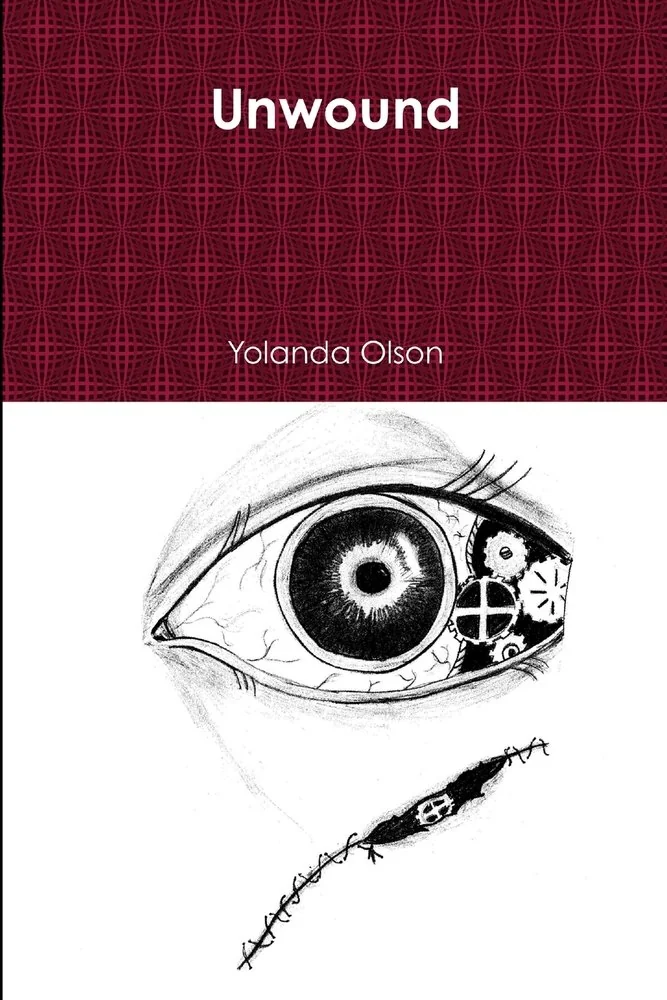
Unwound
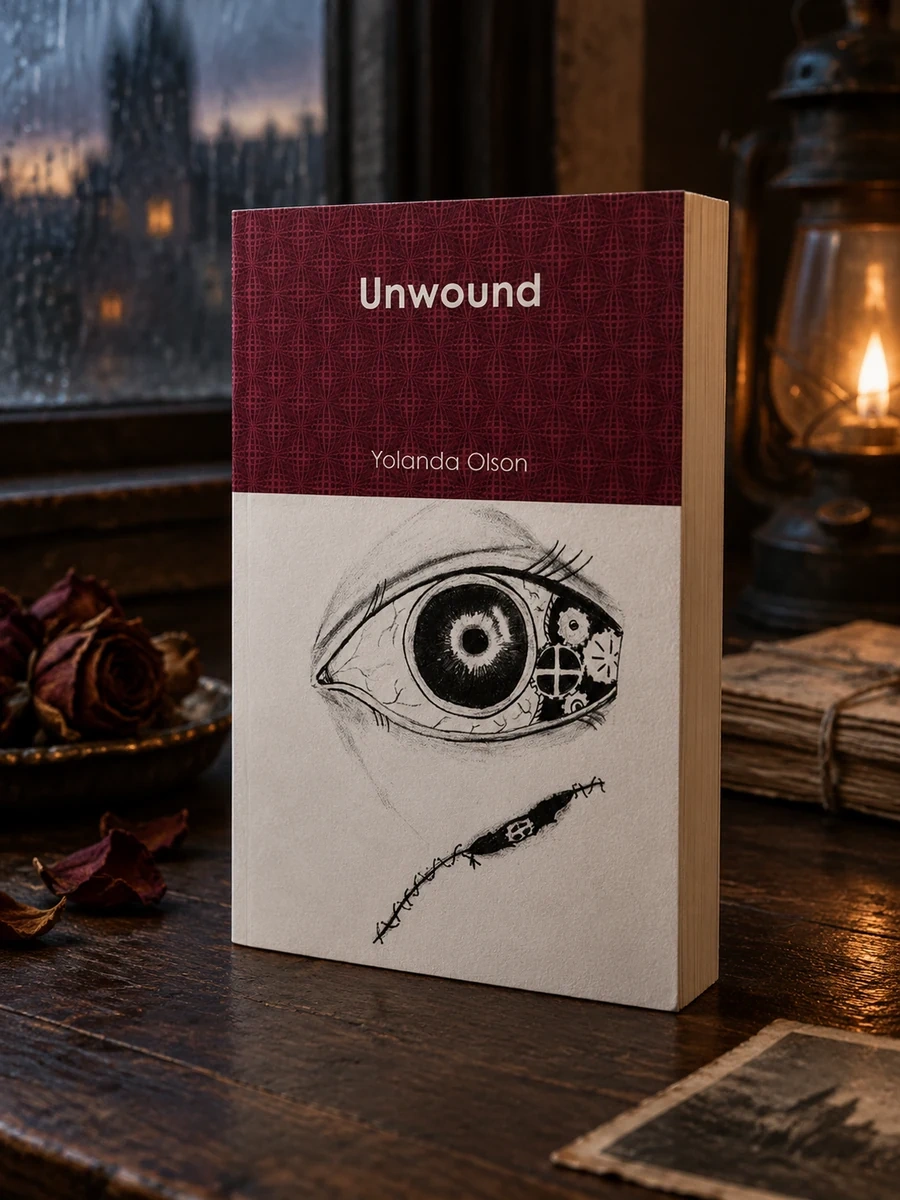
A constructed being named Caelum struggles between love for his creator and a desire for freedom.
Caelum, identified as 3257, exists because a deranged genius combined an idea with a stitch. He is not born but made by London, who intends him to feel only pain and fear. Despite this design, Caelum develops feelings for his mother figure. This creates a deep internal conflict. He wants freedom from her control. The story focuses on his psychological state as he navigates these opposing forces. Olson writes about the consequences of such cruel creation. The narrative does not rely on external monsters but on the horror of being designed for suffering. Caelum’s awareness of his own construction makes him unique. His desire to escape defines his actions throughout the text.
Published in 2012 by Lulu.com, this work fits within contemporary self-published horror fiction. It engages with gothic literary traditions regarding mad scientists and unnatural life. The ISBN is 9781300269342. The text reflects modern interests in the ethics of artificial consciousness and bodily autonomy.


📝 Description: Unwound
💎 Our verdict on Unwound
📖 Why choose it
Why this book is worth reading
Readers seeking character-driven supernatural fiction will find this narrative compelling for its deep exploration of the ethics of creation. It appeals to those interested in the emotional reality of a constructed entity rather than mechanical horror. The book is ideal for audiences who enjoy introspective stories examining the complex dynamics between a maker and his making. Those who appreciate psychological weight and the tension between programmed suffering and the need for freedom will gain from Caelum’s journey. It offers a unique perspective on autonomy, resistance to cruelty, and the desire for escape. The focus remains tightly on this singular relationship, providing a profound look at the consequences of cruel design.
⭐ Reader reviews
Reader rating
Yolanda Olson delivers a poignant examination of artificial existence through Caelum’s intense internal conflict. The narrative excels in portraying the psychological weight of being designed for pain while developing genuine love. By focusing on the emotional reality of a constructed entity, Olson avoids typical monster tropes in favor of deep introspection. The tension between devotion to the creator London and the desire for autonomy drives the story effectively. This work suits readers who prefer slow-burn character studies over fast-paced action or traditional horror plots. It is best appreciated by those interested in gothic traditions where the creator becomes a tyrant, offering a unique and haunting look at the struggle for freedom against imposed distress.