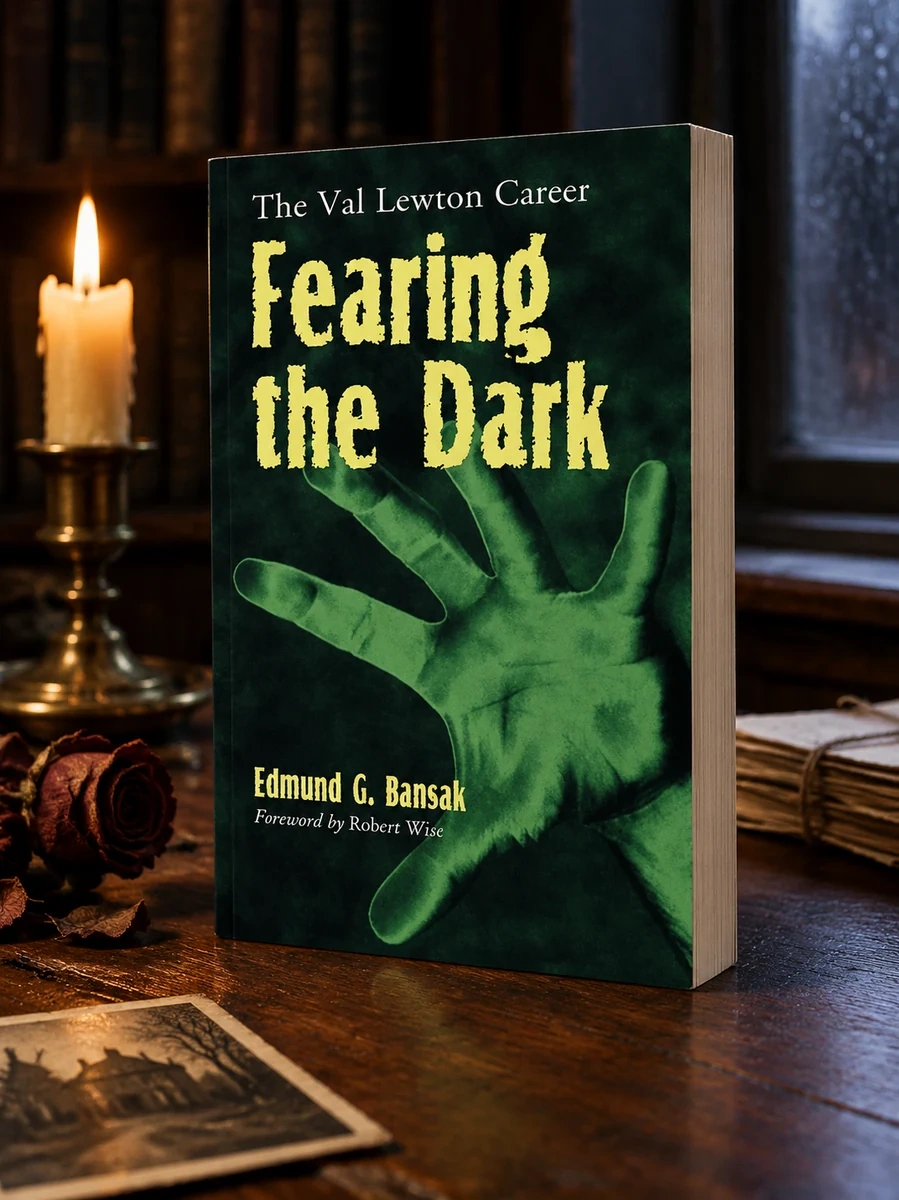
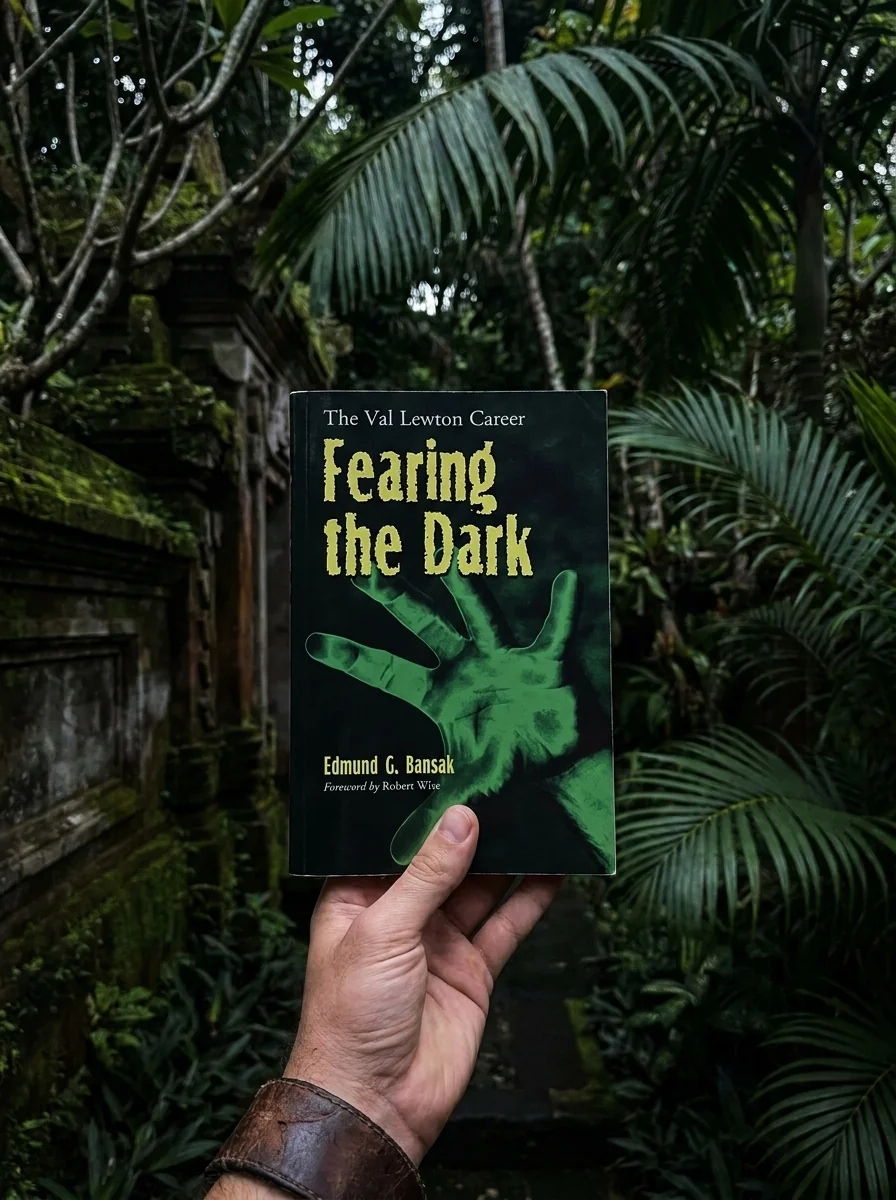

Fearing the Dark: The Val Lewton Career
A study of Val Lewton's influence on horror cinema through interviews and research.
This volume focuses on the production techniques that defined Val Lewton’s legacy. It analyzes how his use of implication over violence reshaped genre storytelling. The author connects Lewton’s work to later adaptations in animation and live-action. By citing family members, it offers personal insights into the creative process. The text highlights the specific ripple effect on directors like Castle and Wallace. It also notes Disney’s adaptation of gothic themes in 1949. This angle emphasizes the spread of Lewton’s aesthetic beyond his immediate circle. It shows how a single producer’s style can alter an industry’s visual language. The book tracks these connections through documented associations and film history.
The book covers the period from 1942 to 1949, focusing on Hollywood’s B-thriller era. It examines how Lewton’s style influenced filmmakers like Richard Wallace and Walt Disney during this specific mid-century window.


📝 Description: Fearing the Dark: The Val Lewton Career
💎 Our verdict on Fearing the Dark: The Val Lewton Career
📖 Why choose it
Why this book is worth reading
Readers interested in the evolution of horror aesthetics and film production techniques will find this text invaluable. It offers a deep dive into how Val Lewton’s emphasis on suggestion over gore redefined genre storytelling. The book is particularly useful for those studying the ripple effects of his style on directors like Castle and Wallace, as well as Disney’s 1949 animated works. By utilizing primary sources and family interviews, it provides concrete evidence of this influence. It suits scholars and enthusiasts who prefer production analysis over plot summaries. The work clarifies how a single producer’s vision can alter an industry’s visual language, making it essential for understanding mid-century cinematic history.
⭐ Reader reviews
Reader rating
Bansak delivers a rigorous examination of Val Lewton’s career, focusing on the production techniques that defined his legacy. The book excels in mapping the specific stylistic choices Lewton employed to create tension through implication rather than explicit violence. It successfully connects these methods to later adaptations, including Disney’s animated works and films by directors like Richard Wallace. The use of interviews with Lewton’s family adds a layer of personal insight often missing from technical histories. This approach grounds the historical context in documented associations, offering a clear view of how his aesthetic spread beyond his immediate circle. It is best suited for readers interested in film history and the evolution of horror aesthetics.
📖 Read on the blog
🏛 Books from this publisher McFarland & Company


You might also like
See more →


Have a question about this item?
Ask about the edition, condition, delivery or anything else — we reply by email or phone, usually within a day.
