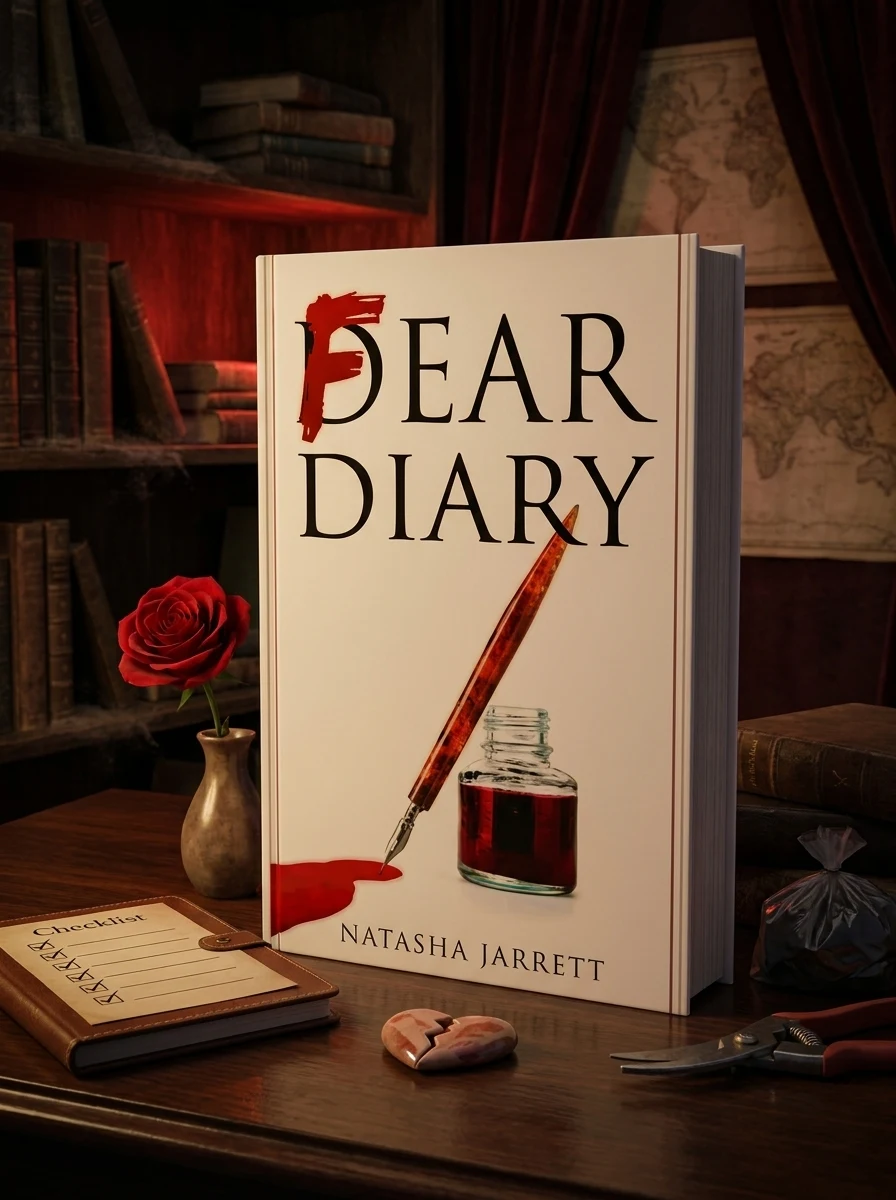
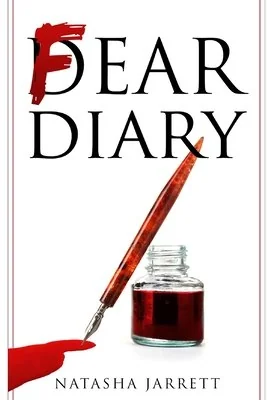
FEAR Diary
A psychological thriller about a woman who kills to maintain order.
Danielle Smith views chaos as an enemy that must be eradicated. Her life is a series of calculated decisions designed to eliminate disorder. James Glover appears to be the solution to her loneliness, meeting every criterion on her extensive list. However, his flaws become intolerable to her rigid standards. The story details her response to these perceived failures. She does not seek therapy or compromise. Instead, she takes matters into her own hands. The narrative tracks her justification for violence as a form of curation. It is a study in how absolute control demands absolute purity.
The book was published independently in 2019 by Natasha Jarrett. It fits within the contemporary horror genre, focusing on psychological terror rather than historical or gothic traditions. The narrative style reflects modern interest in unreliable narrators and domestic suspense.


📝 Description: FEAR Diary
💎 Our verdict on FEAR Diary
📖 Why choose it
Why this book is worth reading
Readers who appreciate character-driven psychological thrillers will find value in this narrative's deep dive into the mind of an unreliable narrator. It appeals to those interested in the darker aspects of human psychology, specifically how a desire for perfection can curdle into pathology. The book offers a grounded, albeit extreme, look at mental instability and the breakdown of social norms. Those who enjoy witnessing the unraveling of a carefully maintained facade will gain insight into the distorted reality of absolute control. It is ideal for readers seeking stories about delusion without relying on traditional horror monsters or supernatural elements, providing a disturbing exploration of how order can become a destructive force.
⭐ Reader reviews
Reader rating
Natasha Jarrett delivers a compelling study in psychological horror by centering the narrative on Danielle Smith’s rigid need for order. The author excels at constructing an internal logic that invites readers to witness a distorted reality without judgment until the consequences unfold. By focusing on the protagonist’s justification for violence as a form of curation, the text examines the grotesque implications of absolute purity. This approach suits fans of character-driven thrillers and unreliable narrators who enjoy seeing social norms break down under pressure. The narrative avoids traditional supernatural tropes, offering instead a grounded look at mental instability. It is best suited for readers comfortable with disturbing themes and intense psychological profiles rather than action-oriented horror.