
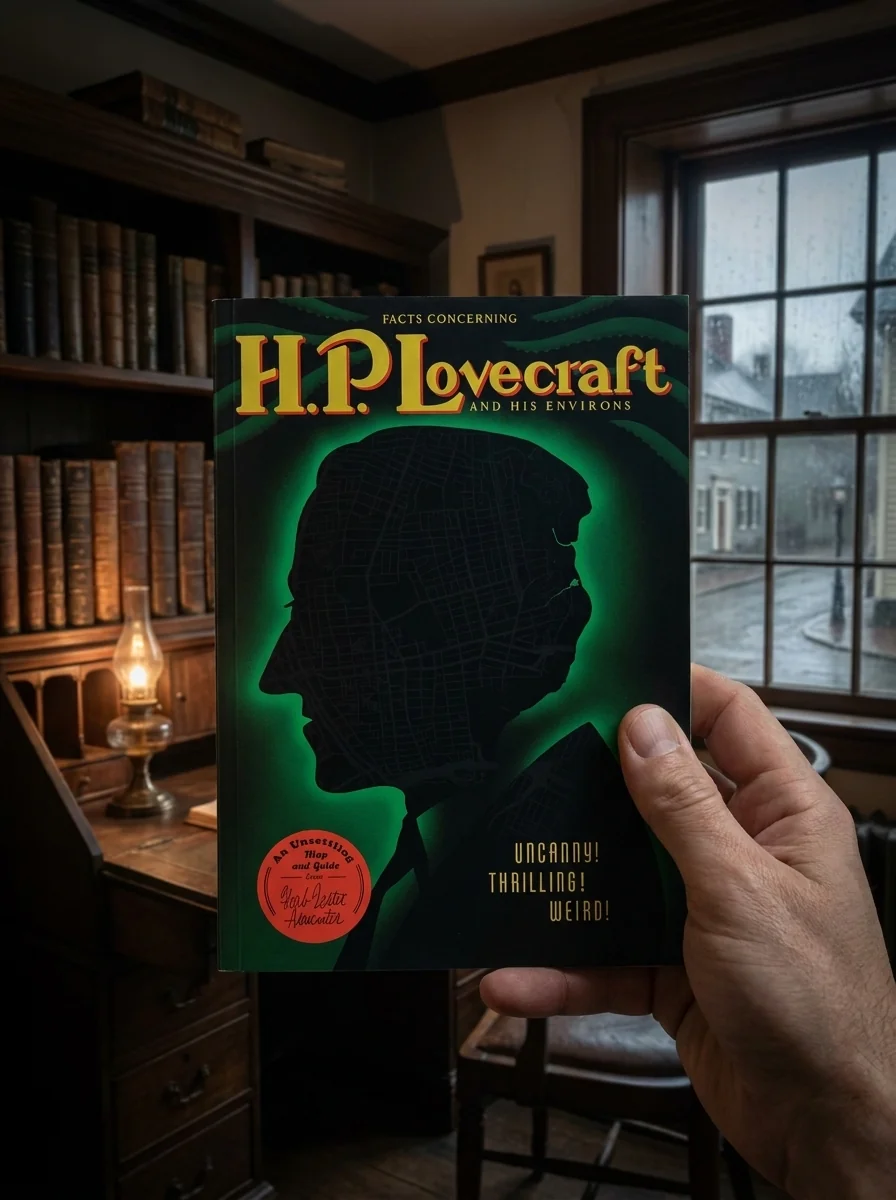
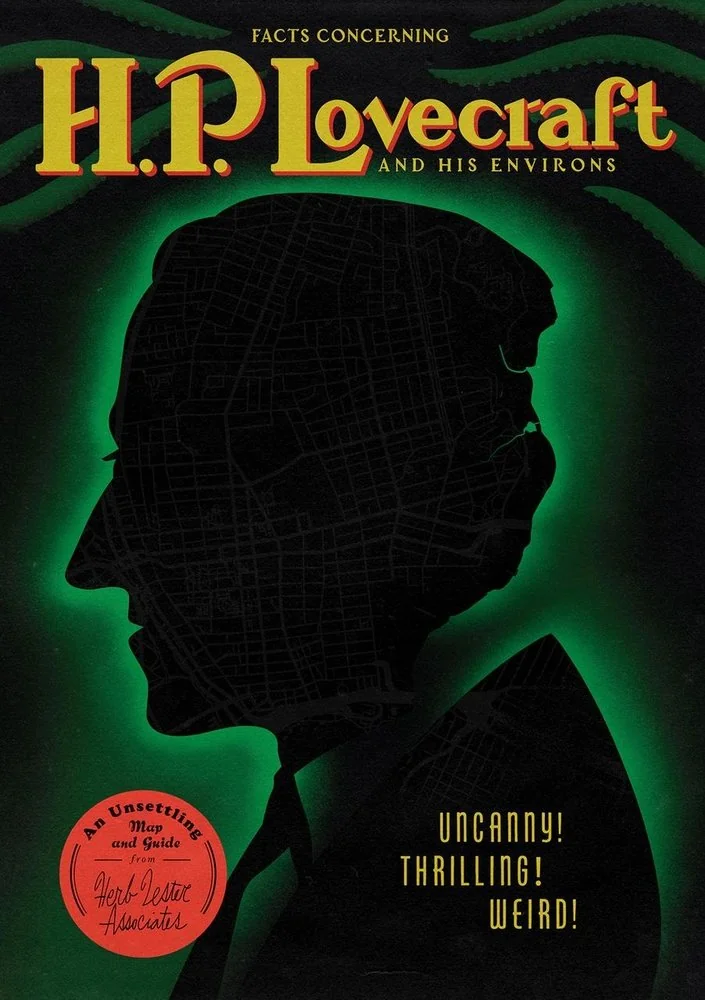
Facts Concerning H. P. Lovecraft and His Environs
A guide to the real locations that inspired Lovecraft's fictional towns
Lovecraft died practically unknown at age 46. Nearly a century later, he is a recognized classic with bestselling authors like Stephen King praising his work. Filmmakers such as Guillermo del Toro also echo these praises. Lachman’s work bridges the gap between the writer’s life and his posthumous fame. It focuses on the specific places that fueled his imagination. The text details how Lovecraft’s wanderings along the Eastern seaboard influenced his creations. It examines his fascination with colonial America as a source of identity. This perspective offers a concrete look at the origins of his most enduring settings.
Lovecraft died in 1937. His work has gained massive popularity nearly a century later. He is now considered a classic writer. This book was published by Herb Lester Associates in 2024. It addresses the shift from obscurity to widespread acclaim in horror fiction.


📝 Description: Facts Concerning H. P. Lovecraft and His Environs
💎 Our verdict on Facts Concerning H. P. Lovecraft and His Environs
📖 Why choose it
Why this book is worth reading
This volume is essential for readers interested in the biographical foundations of horror literature and those who wish to understand the specific inspirations behind famous fictional towns. It offers a concrete look at the origins of Lovecraft’s enduring settings by tracing his wanderings along the Eastern seaboard. The book appeals to fans seeking to connect historical periods with literary development, particularly regarding colonial America as a source of identity. It is ideal for those who view Lovecraft’s work through the lens of tangible geography and personal journey, providing a grounded perspective on how real-world locations fueled his imagination.
⭐ Reader reviews
Reader rating
Lachman effectively documents the real-world locations that inspired settings such as Arkham, Innsmouth, Dunwich, and Kingsport. By tracing Lovecraft’s residences and movements, the author grounds the writer’s legacy in physical history rather than abstract myth. This approach highlights how Lovecraft engaged in a form of time travel by seeking remnants of pre-Revolutionary War colonial America. The text successfully connects these historical periods to the development of his literary world. It suits readers interested in biographical foundations and specific inspirations, though it may not satisfy those seeking critical analysis of narrative structure or pure literary theory. The focus remains strictly on the intersection of place, history, and the author’s personal journey.
You might also like
See more →







Have a question about this item?
Ask about the edition, condition, delivery or anything else — we reply by email or phone, usually within a day.
