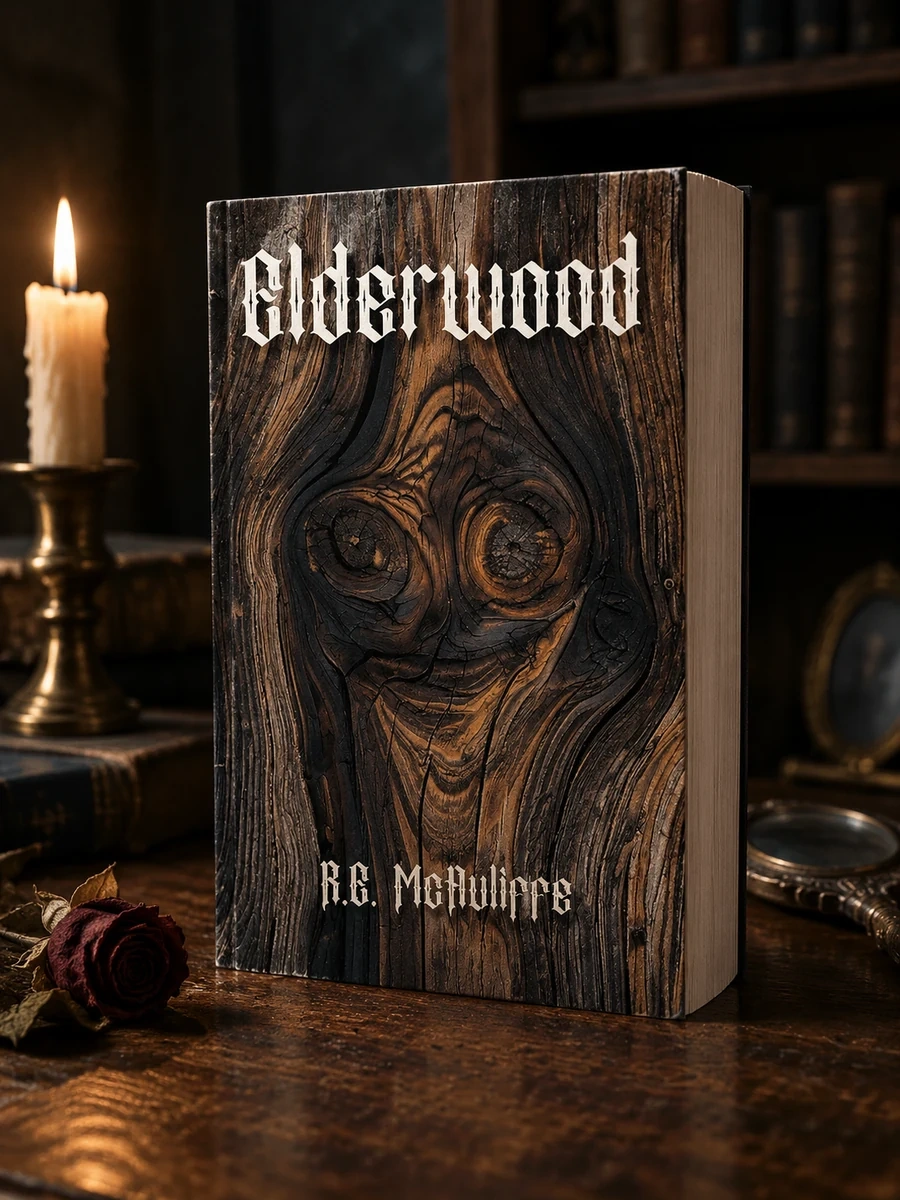
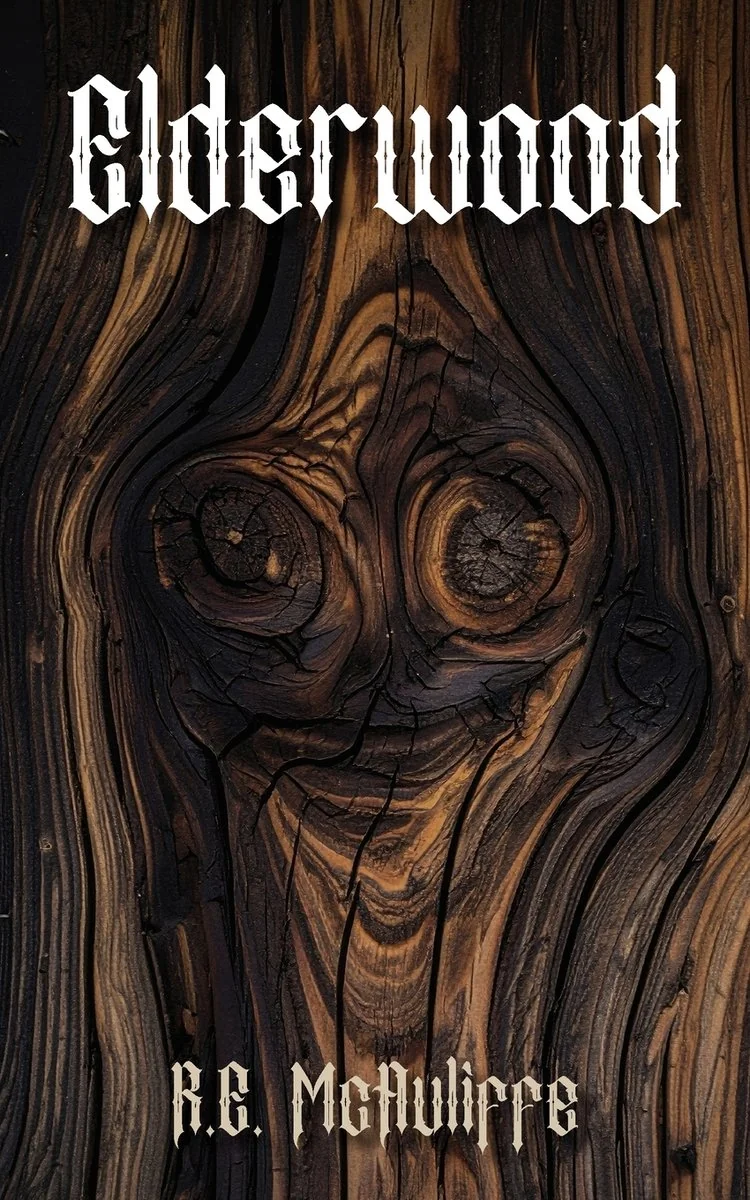
Elderwood
A dual-timeline horror novel set in a cursed Irish manor.
The narrative structure connects the reckless youth of Aoife and Niamh with the adult responsibilities of Aoife. The 1995 timeline focuses on the immediate dangers of drugs and secrets within the manor. The later timeline deals with the long-term psychological impact of the Stafford family curse. McAuliffe uses this dual perspective to show how past actions dictate present realities. The story relies on the isolation of the remote setting to build tension between the characters and the supernatural forces they encounter.
The story is set in Ireland during 1995 and returns to the same location twenty-five years later. It engages with the history of Anglo-Irish manors and the Stafford family legacy. The narrative reflects on the social dynamics of rural Ireland and the lingering effects of colonial-era estates on contemporary life.


📝 Description: Elderwood
💎 Our verdict on Elderwood
📖 Why choose it
Why this book is worth reading
Readers who appreciate atmospheric horror rooted in specific historical settings and complex character dynamics will find this narrative compelling. The dual-timeline structure allows for a deep exploration of how past actions dictate present realities, offering a nuanced look at the long-term psychological impact of a family curse. Those interested in gothic traditions where isolation builds tension between characters and supernatural forces will enjoy the slow-burn dread. However, it may not appeal to those seeking fast-paced action or lighthearted supernatural tales, as the focus remains on emotional weight and atmospheric dread rather than immediate thrills.
⭐ Reader reviews
Reader rating
McAuliffe effectively uses the dual perspective of teenage recklessness and adult consequence to illustrate the enduring power of inherited trauma. The remote setting serves not just as a backdrop but as an active participant in the horror, amplifying the isolation between characters and the ancient evil they unleash. The narrative excels in weaving gothic traditions with psychological depth, making the supernatural elements feel earned rather than arbitrary. This approach suits readers who value character-driven horror over plot-heavy spectacles. By focusing on familial betrayal and the weight of history, the book creates a haunting atmosphere that lingers long after the final page.