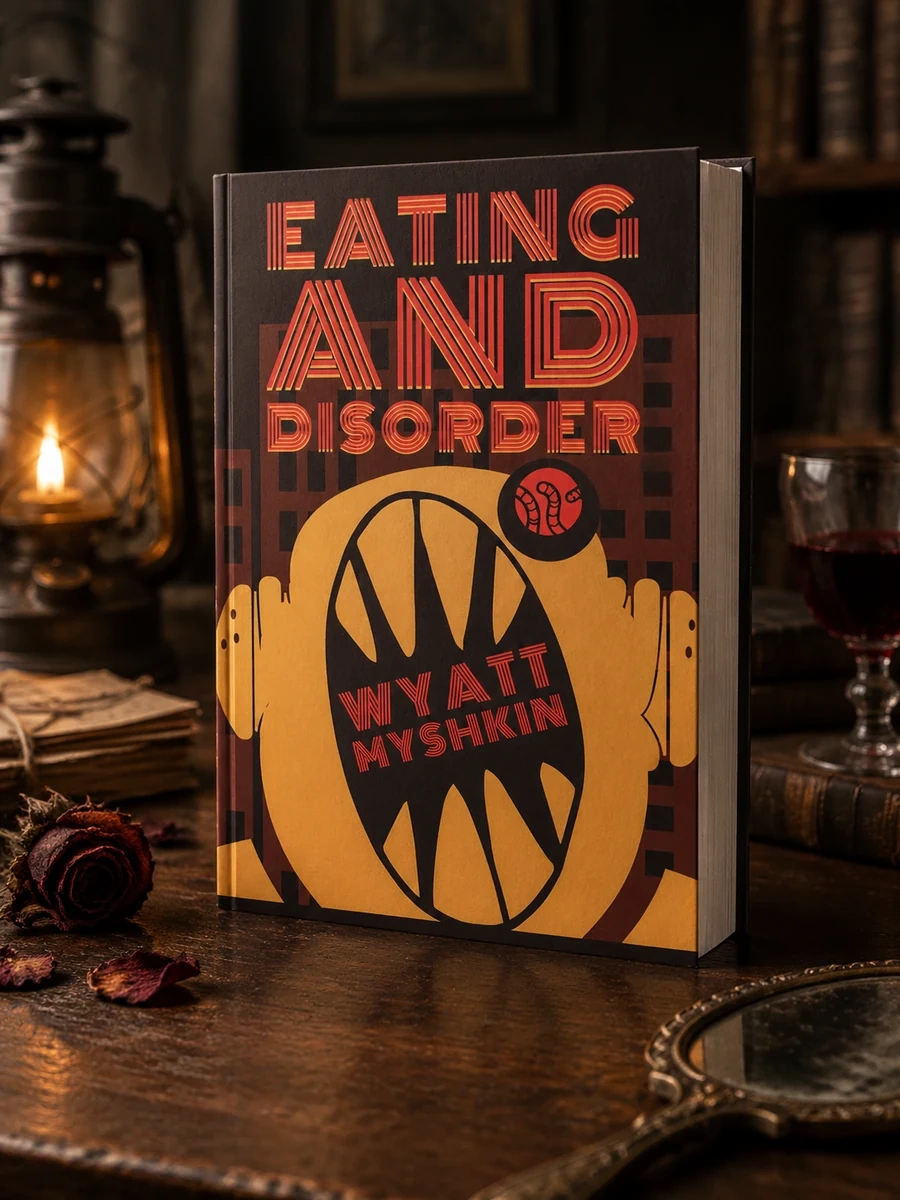
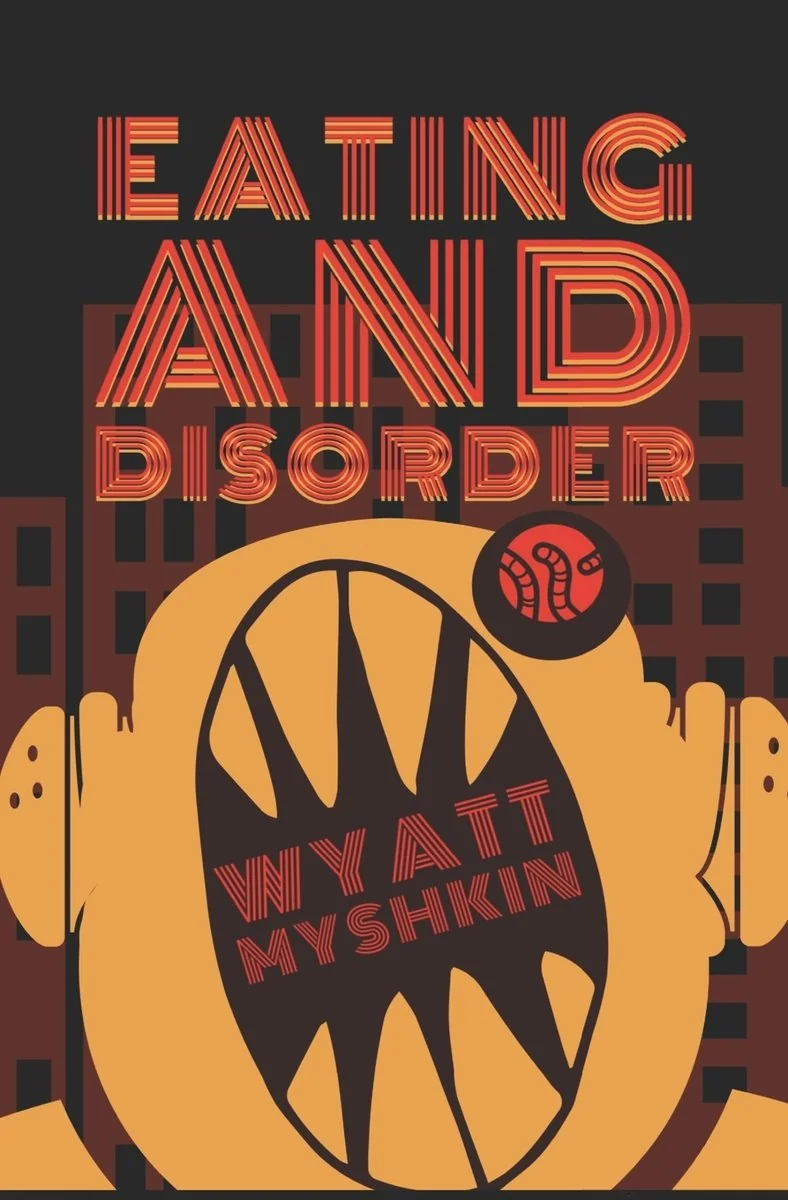
Eating and Disorder
A man transforms into a vampire after a failed diet experiment in the Bronx.
This narrative follows Tubbs, who uses settlement cash to live large before a corporate weight loss program turns him into a monster. The story tracks his descent into stalking the Bronx slum and developing a taste for human flesh. Myshkin structures the plot around this physical change, using it as a lens to examine societal blame. The text does not shy away from the visceral details of his metamorphosis. It positions Tubbs not as a sympathetic figure but as a cautionary example of irresponsibility. The narrative arc moves from victimhood to predatory behavior, challenging the reader to confront uncomfortable truths about personal accountability and the consequences of neglecting one's health and moral obligations in a harsh urban landscape.
The book is set in a Bronx slum, reflecting contemporary American anxieties about fast food corporations and their impact on public health. It engages with modern body horror traditions by linking physical transformation to social irresponsibility. The narrative critiques the culture of victimhood prevalent in discussions around corporate liability and personal choice.


📝 Description: Eating and Disorder
💎 Our verdict on Eating and Disorder
📖 Why choose it
Why this book is worth reading
Readers interested in grotesque metamorphosis and moral ambiguity will find this narrative compelling. It appeals to those who appreciate horror that critiques societal norms rather than merely frightening them. The book offers a stark examination of personal responsibility through the lens of supernatural transformation. Fans of psychological horror set in urban decay will enjoy the visceral exploration of Tubbs's descent. It provides a unique perspective on the vampire genre by focusing on physical disfigurement and ethical consequences. Those seeking lighthearted tales should avoid this, as it demands engagement with uncomfortable truths about neglect and predatory behavior in harsh environments.
⭐ Reader reviews
Reader rating
Myshkin delivers a visceral narrative that effectively blends body horror with supernatural fiction to critique the concept of blameless irresponsibility. The author excels at depicting Tubbs's physical and moral degradation without resorting to sympathy, instead positioning him as a cautionary figure. This approach creates a tense atmosphere where the urban landscape becomes an active hunting ground. The work is best suited for readers who enjoy grotesque transformations and difficult ethical questions within horror. It avoids traditional gothic romance in favor of gritty realism. While not for everyone, it succeeds in challenging readers to confront the consequences of neglecting moral obligations through a disturbing yet thought-provoking lens on accountability.
📖 Read on the blog
🏛 Books from this publisher Independently Published








You might also like
See more →

Have a question about this item?
Ask about the edition, condition, delivery or anything else — we reply by email or phone, usually within a day.
