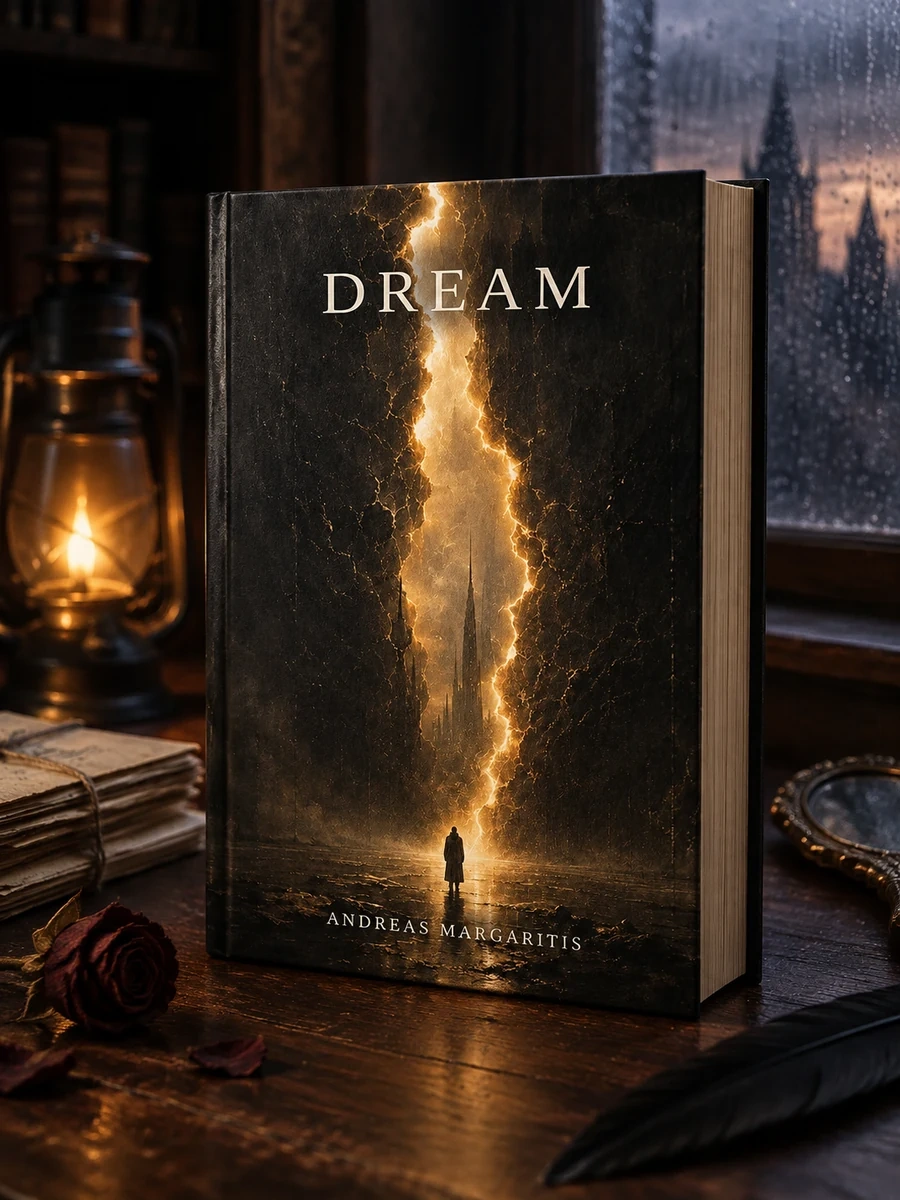
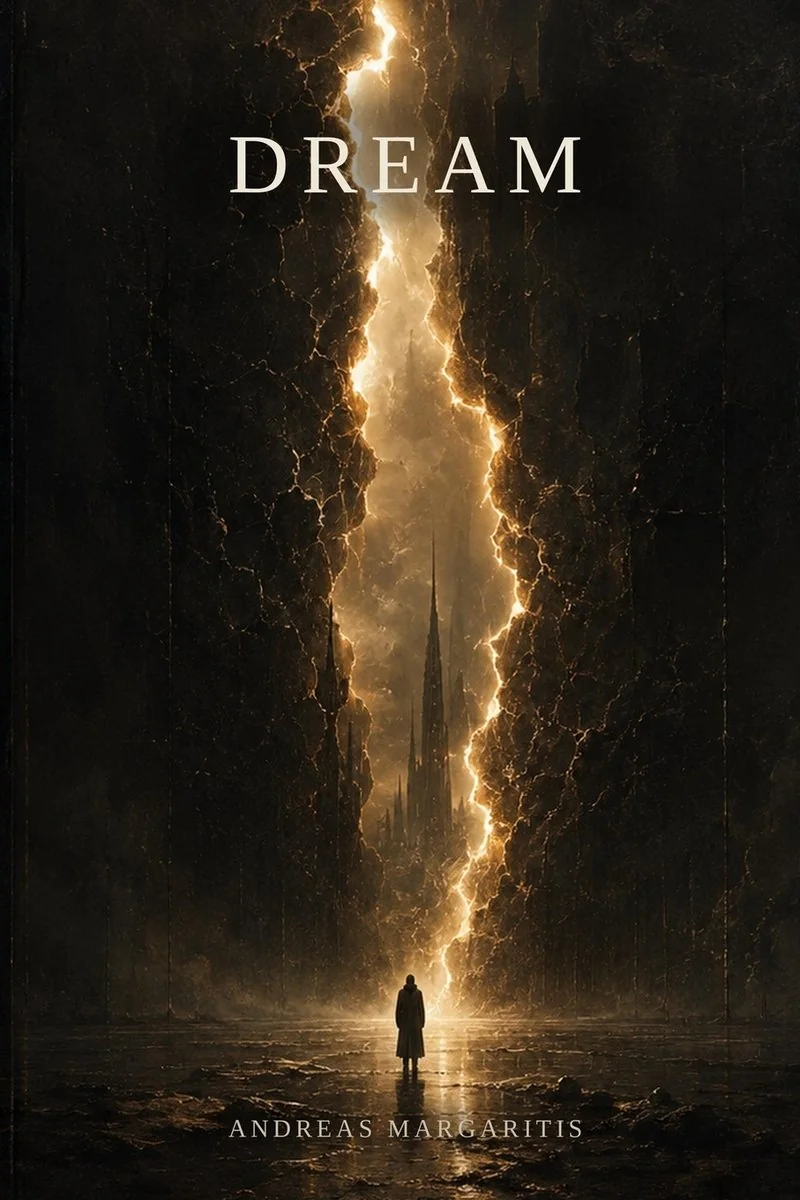
Dream
A neuroscientist's dream trial reveals an ancient cosmic horror in Boston.
Elias Varron joins a Boston institute to study sleep disorders, bringing his own disturbingly complete dreams into the lab. The stabilization experiments fail as patients wake with violent urges and vivid memories of foreign worlds. Reality thins around the research facility, exposing Elias to a Dreamworld where an ancient entity has been watching. He discovers he is uniquely tied to this place. The story tracks his realization that resisting this presence requires total sacrifice. It is a tale about the cost of looking too closely at what waits on the other side of sleep.
The text situates the narrative within the tradition of cosmic horror and gothic fiction. It references Boston as the setting for the research institute. The work engages with themes of sleep disorders and the supernatural, appealing to readers who prefer quiet dread over explicit violence.


📝 Description: Dream
💎 Our verdict on Dream
📖 Why choose it
Why this book is worth reading
Readers drawn to atmospheric, slow-burn horror will find this novel compelling for its exploration of the terrifying boundary between sleep and reality. It appeals specifically to those who enjoy psychological depth over visceral gore, offering a dense, unsettling journey into the subconscious. The story is ideal for fans who appreciate narratives where scientific inquiry unravels into cosmic dread, providing a sense of quiet, pervasive terror rather than immediate shock. Those interested in themes of identity loss and the cost of forbidden knowledge will resonate with Elias Varron’s descent.
⭐ Reader reviews
Reader rating
Margaritis crafts a meticulously paced descent into cosmic horror, prioritizing psychological unease over explicit violence. The novel excels in building a suffocating atmosphere where scientific rationality fails against ancient, incomprehensible forces. By focusing on the erosion of reality within a clinical setting, the text offers a fresh yet familiar take on the genre’s core tenets. It suits readers who prefer intellectual dread and unreliable narrators to fast-paced action or clear resolutions. The narrative structure effectively mirrors the protagonist’s unraveling mind, creating a cohesive and immersive experience for those willing to engage with its dense, contemplative tone.
You might also like
See more →







Have a question about this item?
Ask about the edition, condition, delivery or anything else — we reply by email or phone, usually within a day.
