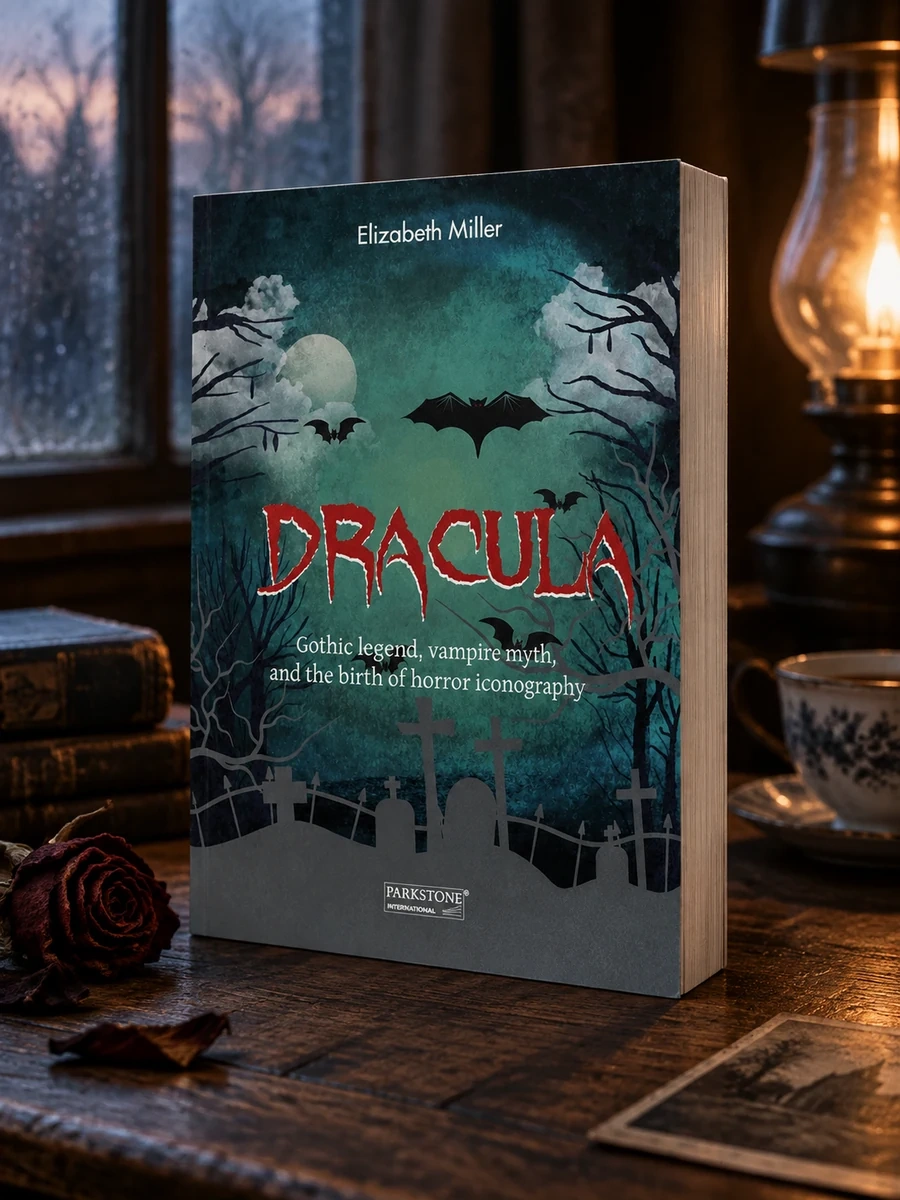
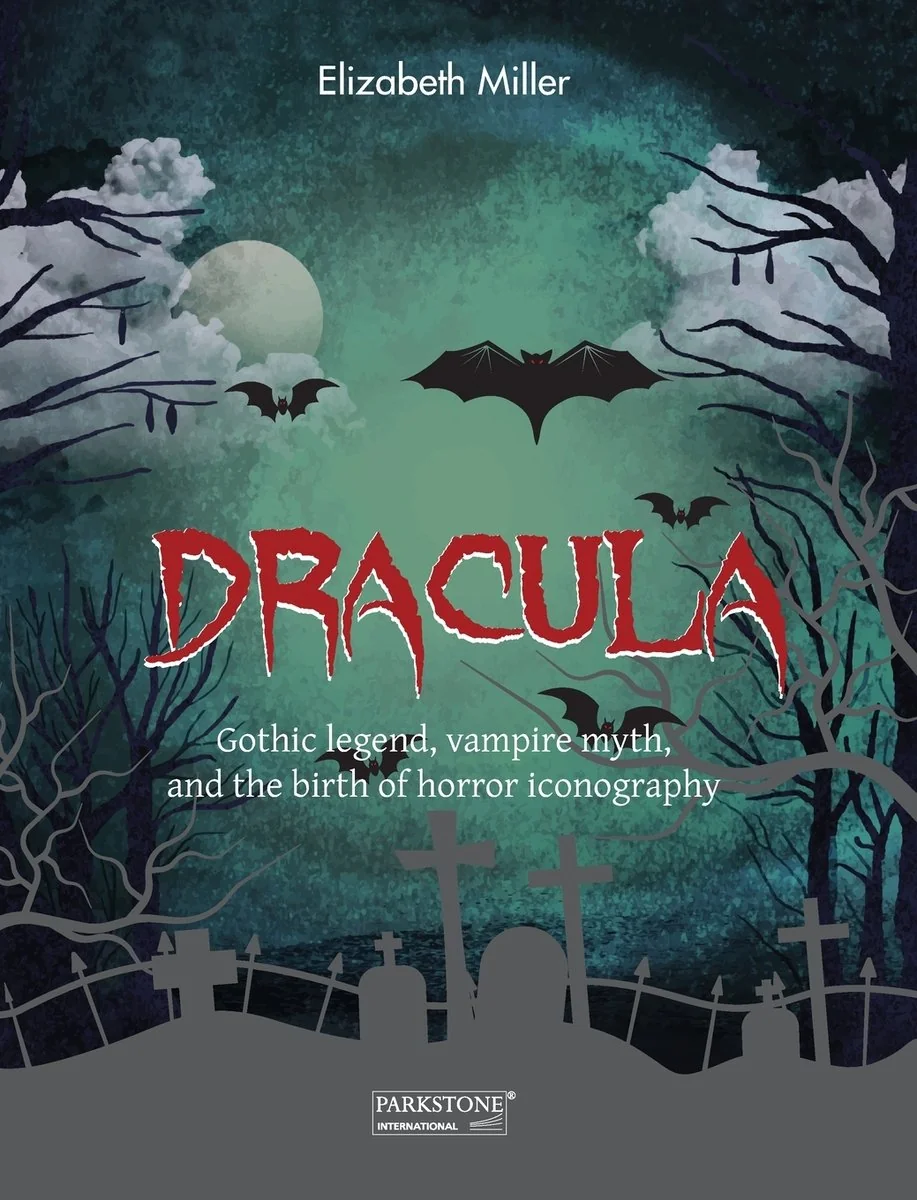
Dracula: Gothic legend, vampire myth, and the birth of horror iconography
A study of Dracula's evolution from Stoker's novel to modern film iconography.
Miller traces the journey of Bram Stoker’s protagonist through various cultural lenses. The work highlights how Transylvanian mystique and legendary hauntedness surround the character, allowing the myth to persist. It covers the translation of Stoker’s literary presence to screen by directors like Murnau and Coppola. The text also addresses the taboo nature of blood and sex desires that drive the obsession with this figure.
The book analyzes how Dracula transitioned from Bram Stoker’s literary creation to a global horror icon. It covers the influence of filmmakers such as Murnau, Bela Lugosi, Christopher Lee, and Francis Ford Coppola on the character's modern perception and enduring legacy.


📝 Description: Dracula: Gothic legend, vampire myth, and the birth of horror iconography
💎 Our verdict on Dracula: Gothic legend, vampire myth, and the birth of horror iconography
📖 Why choose it
Why this book is worth reading
Readers interested in the intersection of literature and cinema will find this volume particularly rewarding. It offers a detailed look at how Dracula transformed from a niche literary figure into a global symbol of horror. The book is ideal for those who wish to understand the cultural mechanisms behind vampire myths, including the taboo elements of bloodlust and sexuality that drive the character's enduring appeal. By analyzing adaptations by directors like Murnau and Coppola, as well as actors such as Lugosi and Lee, it provides essential context for understanding the shift from gothic fiction to mainstream iconography. It serves as a vital resource for anyone seeking to grasp how Transylvanian mystique sustains the mythos today.
⭐ Reader reviews
Reader rating
Elizabeth Miller delivers a compelling analysis of Dracula’s evolution from Stoker’s pages to modern screen adaptations. The text effectively highlights the taboo nature of blood and sex desires that fuel the obsession with this figure, supported by insightful visual comparisons between the original narrative and its cinematic interpretations. Miller successfully traces the journey through various cultural lenses, explaining how Transylvanian atmosphere sustains the character's mythos. This study is best suited for readers interested in gothic fiction and film history who want to analyze Dracula’s cultural shift. It is not intended for those seeking only the original novel without context.