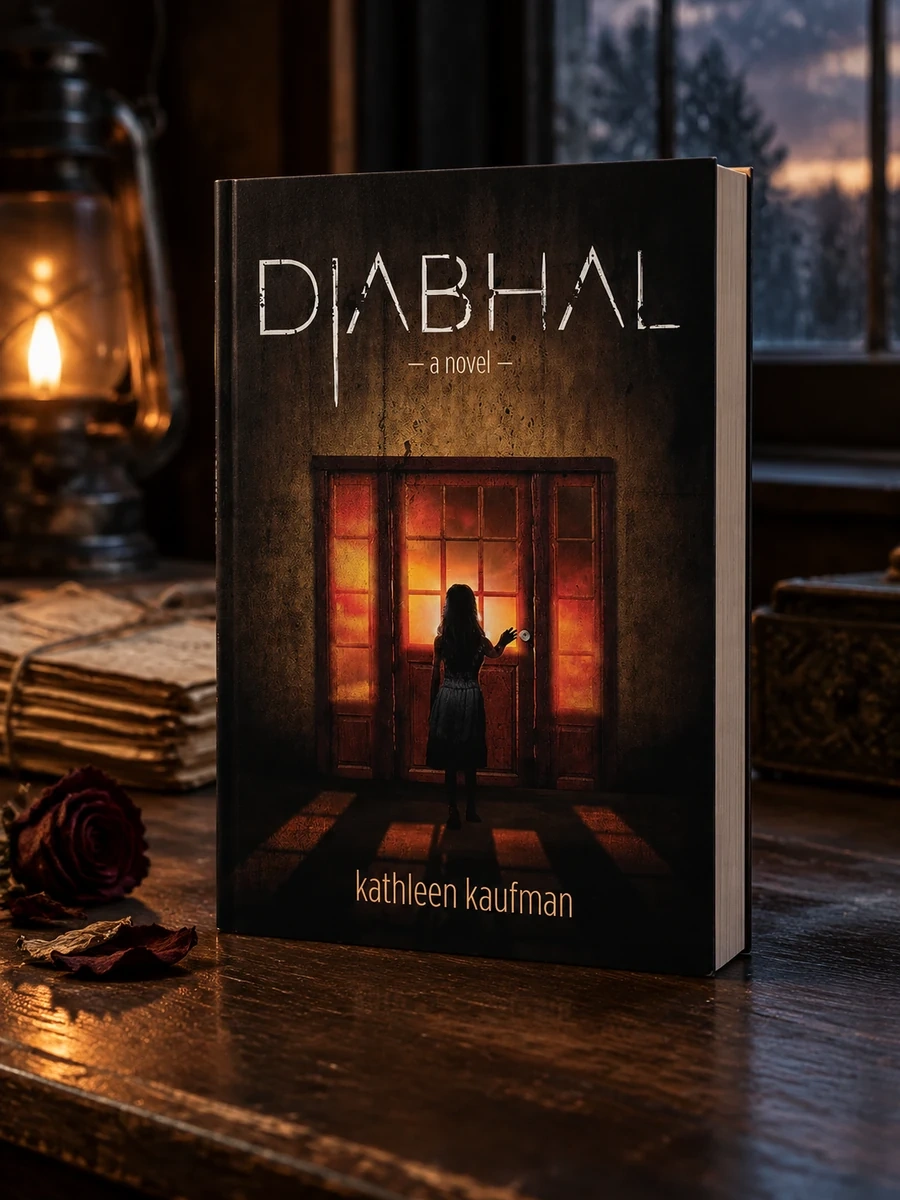
Diabhal: Diabhal Book 1
A novel about a girl exiled from a Venice Beach cult who becomes a force of nature in Los Angeles foster care.
This narrative focuses on Ceit Robertson’s transition from a privileged but isolated life within a matriarchal society to the harsh realities of the American foster system. Her mother’s attack by spirits triggers the central conflict, leading to Ceit’s displacement. The story does not rely on jump scares but rather on the psychological impact of her heritage and her new environment at MacLaren Hall. It questions whether the devil is an external entity or a reflection of human behavior and societal structures.
The novel is set in 1980s Los Angeles, specifically Venice Beach and El Monte. It draws on the era’s fascination with cults and the supernatural while grounding these themes in real locations like MacLaren Hall. The story reflects the cultural anxieties of the time regarding family structures and institutional care for troubled youth.


📝 Description: Diabhal: Diabhal Book 1
💎 Our verdict on Diabhal: Diabhal Book 1
📖 Why choose it
Why this book is worth reading
Readers seeking a nuanced exploration of power, exile, and identity within a specific cultural context will find this compelling. It suits those interested in gothic fiction set in 1980s California who prefer psychological depth over simple horror tropes. The book offers a sympathetic portrait of a character often associated with demonic forces, challenging conventional definitions of wickedness by exploring how intention shapes perception. Those who enjoy examining the nature of evil through the lens of institutional reality and dark mythology will appreciate this work. It is ideal for audiences who question whether the devil is an external entity or a reflection of human behavior.
⭐ Reader reviews
Reader rating
Kaufman delivers a psychologically rich narrative that avoids jump scares in favor of atmospheric tension and institutional starkness. By grounding supernatural elements in the harsh realities of the foster care system, she creates a compelling study of displacement and heritage. The work excels in its sympathetic portrayal of Ceit Robertson, forcing readers to confront uncomfortable questions about evil and societal structures. It is best suited for fans of psychological horror and gothic fiction who appreciate complex character development over straightforward demonology. While it may disappoint those seeking historical nonfiction or simple genre thrills, it rewards attentive readers with a profound meditation on power and identity.
📖 Read on the blog
📖 From the series “Diabhal”


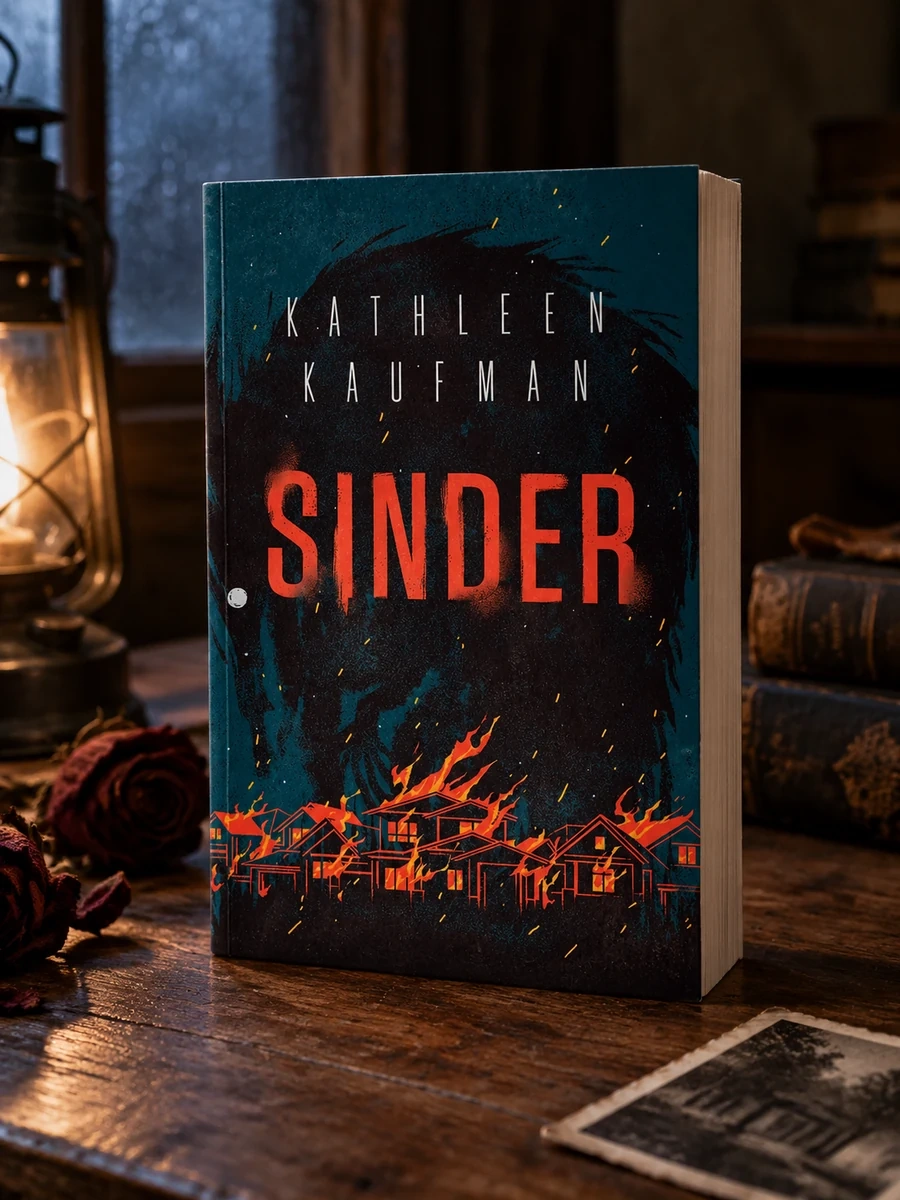
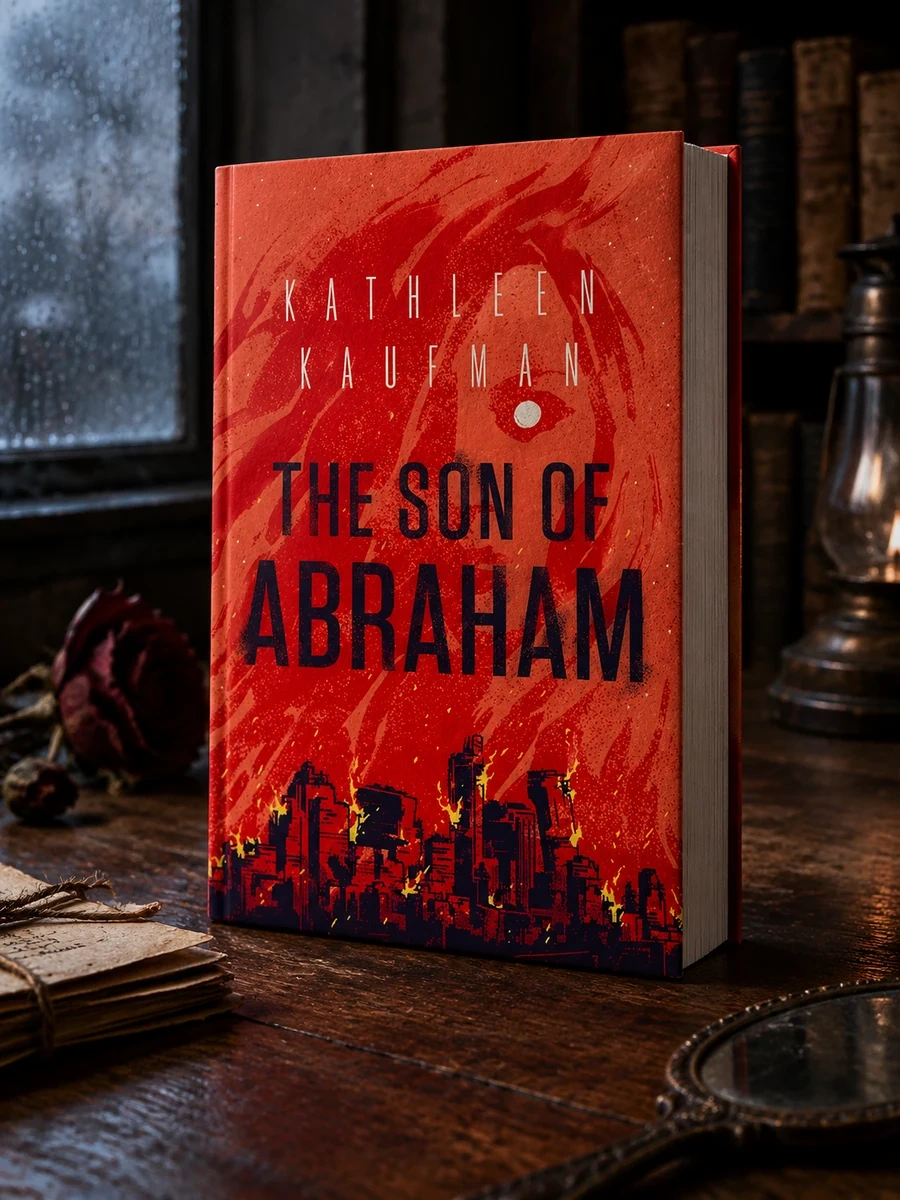
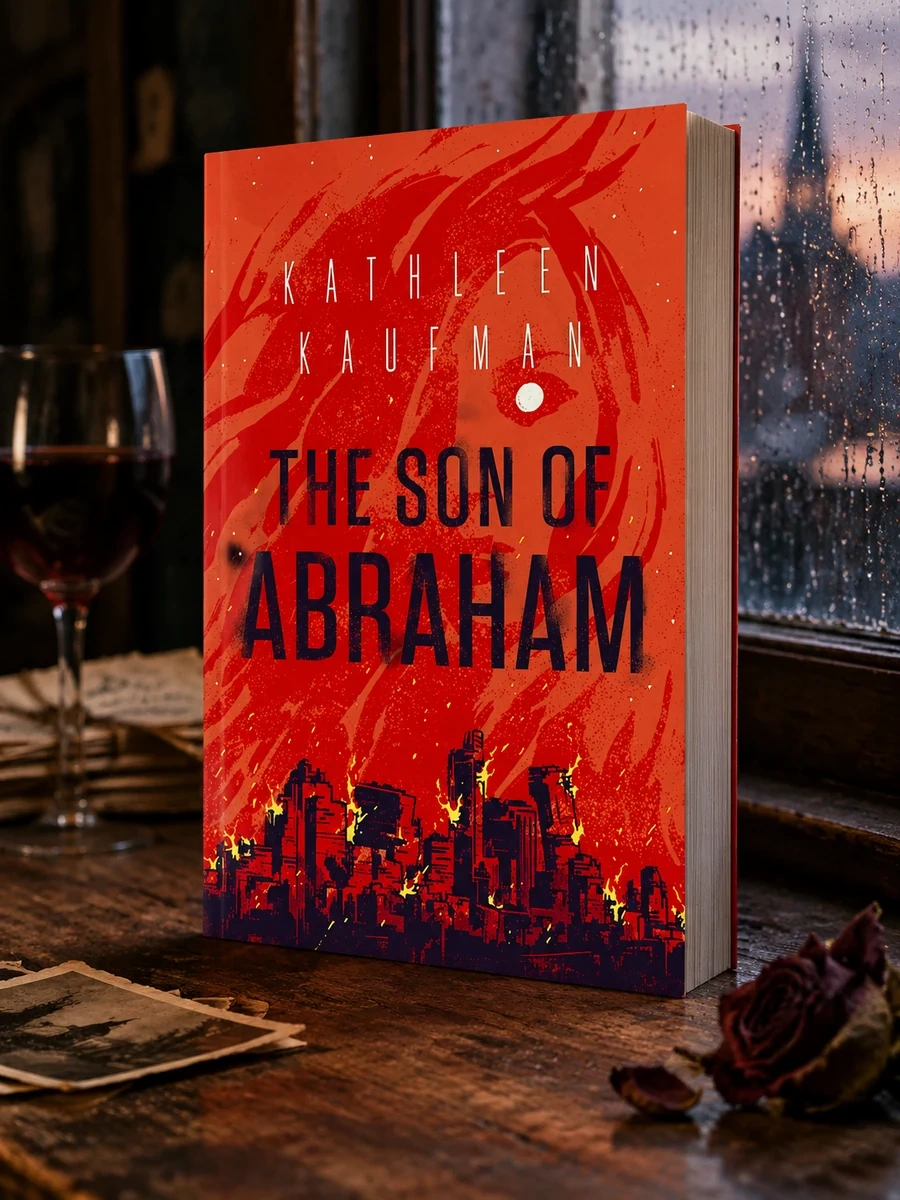
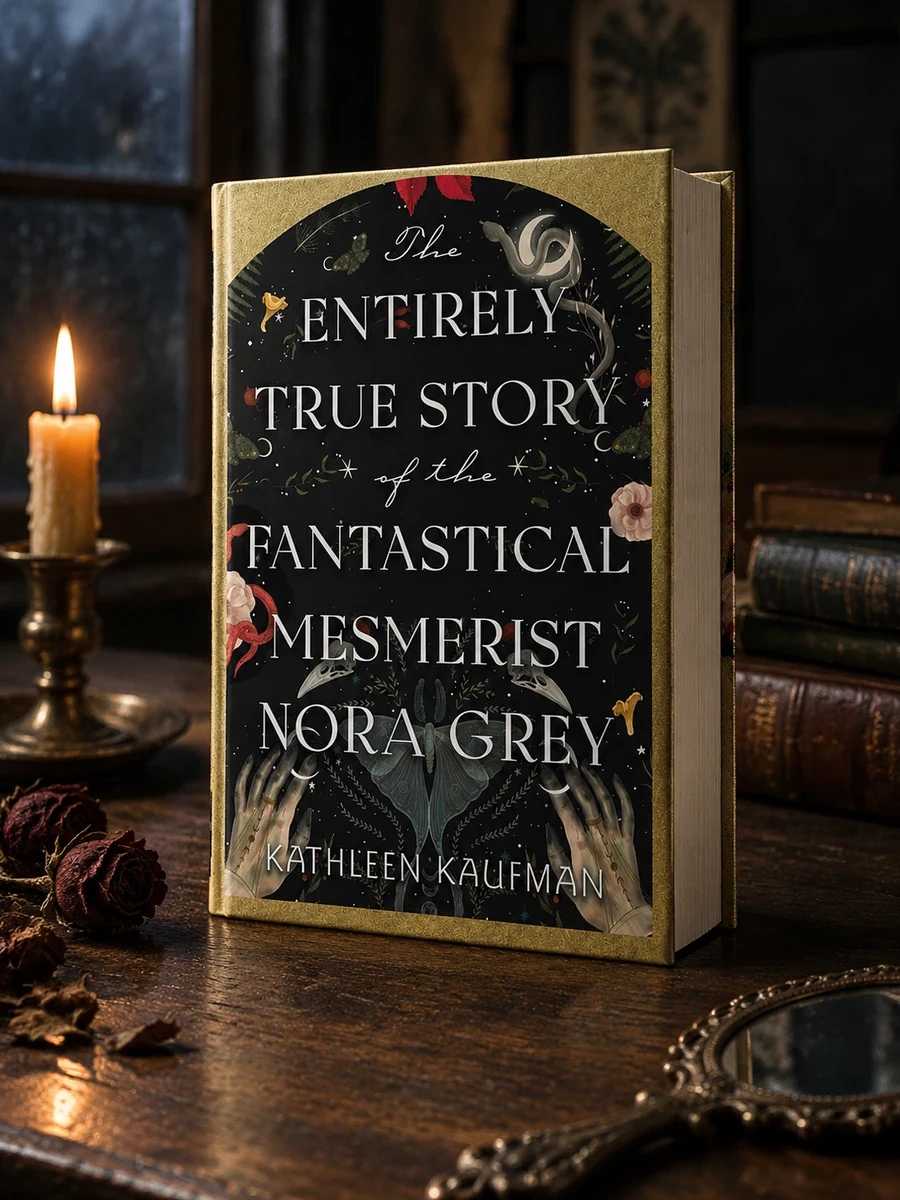
✍️ More books by this author Kathleen Kaufman
🏛 Books from this publisher Keylight Books
You might also like
See more →


Have a question about this item?
Ask about the edition, condition, delivery or anything else — we reply by email or phone, usually within a day.
