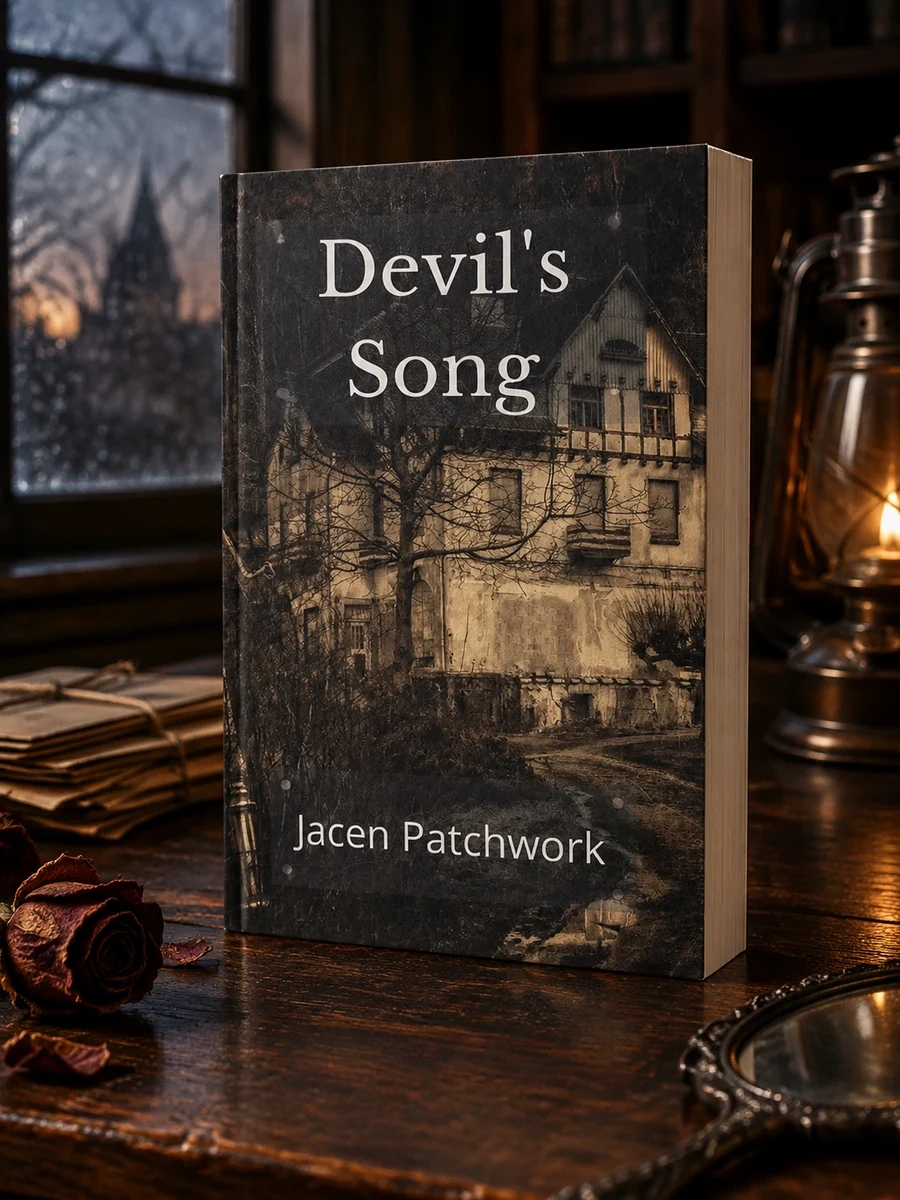
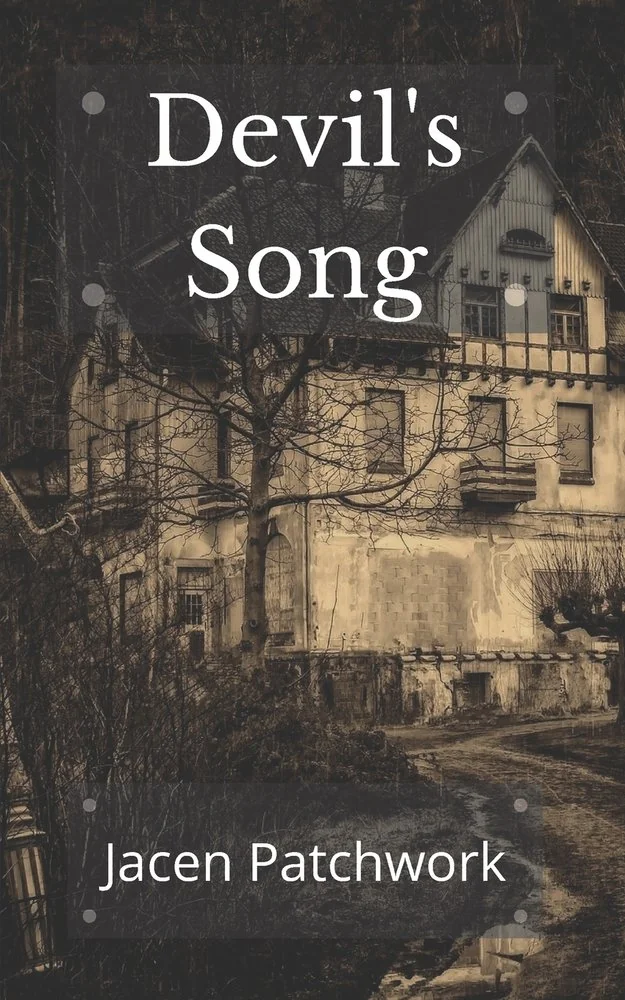
Devil's Song
A novel about a man trapped in a reality-bending house seeking a missing friend.
The narrative follows Shawn as he navigates a nightmarish environment where logic fails. He encounters twisted rooms and stalking creatures while his own memories turn against him. The story emphasizes the psychological toll of isolation and the fear of being trapped forever. Patchwork uses this premise to explore themes of identity and survival. The plot does not rely on external monsters alone but on the distortion of Shawn's past. This creates a claustrophobic experience that mirrors the gameplay mechanics of its inspirations. The resolution depends on Shawn's ability to understand the house's rules and his own forgotten history.
This work sits within the survival horror genre, specifically drawing inspiration from video games released in the late 1990s and early 2000s. It reflects a period known for atmospheric tension and resource management rather than combat-focused gameplay.


📝 Description: Devil's Song
💎 Our verdict on Devil's Song
📖 Why choose it
Why this book is worth reading
Readers who crave atmospheric tension over fast-paced action will find significant value in this narrative. The book offers a claustrophobic experience that mirrors the gameplay mechanics of its inspirations, appealing to those who enjoy puzzle-like environments and psychological horror. It is ideal for audiences interested in the distortion of memory and the fear of being trapped forever. Those who appreciate survival horror traditions emphasizing vulnerability will find the slow burn satisfying. However, seekers of traditional ghost stories or straightforward supernatural thrills may find the pace unsatisfying. The work serves as a unique exploration of identity and survival within a nightmare landscape.
⭐ Reader reviews
Reader rating
Patchwork successfully captures the essence of late-era survival horror through Shawn's nightmarish journey in a reality-bending house. The narrative excels in building dread through spatial disorientation and the betrayal of one's own memories, creating a deeply claustrophobic atmosphere. By making the physical space an antagonist, the author mirrors game mechanics effectively within prose. This approach suits readers who enjoy psychological tolls and isolation themes. While the slow burn may alienate those seeking traditional action or clear-cut ghost stories, it rewards patience with a compelling exploration of identity. The focus on forgotten history adds depth beyond simple monster encounters. It is a sturdy entry for fans of cosmic and psychological horror who appreciate atmospheric tension and puzzle-like environmental storytelling.
📖 Read on the blog
🏛 Books from this publisher Independently Published








You might also like
See more →
Have a question about this item?
Ask about the edition, condition, delivery or anything else — we reply by email or phone, usually within a day.
