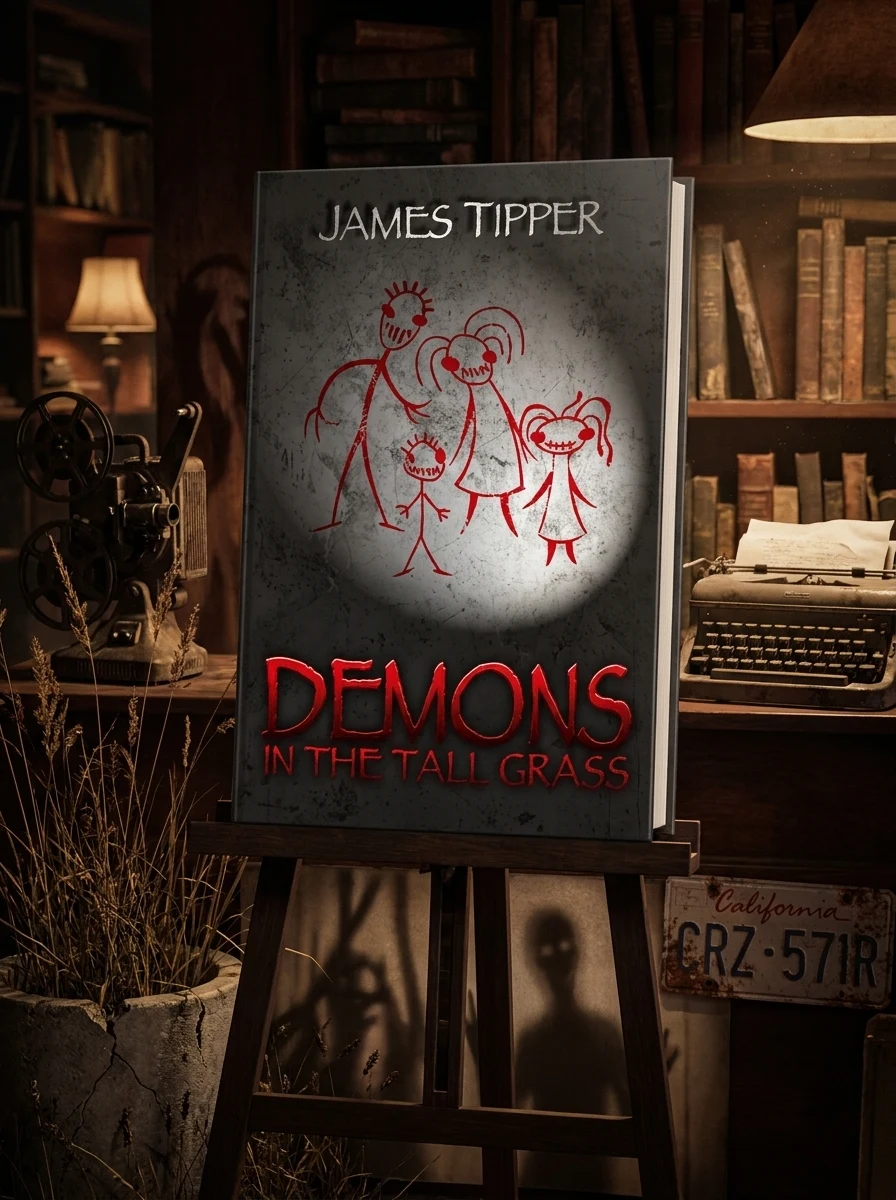
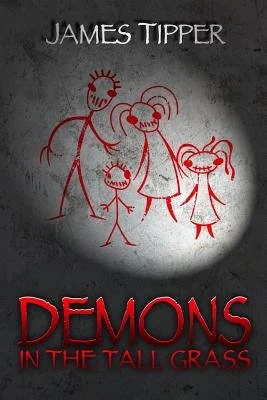
Demons in the Tall Grass
A darkly humorous look at human depravity in Hollywood and the Midwest.
Tipper uses psychological thrills to explore the justifications for murder. The story connects disparate worlds through shared moral decay. It reveals how easily people rationalize evil acts. The tone remains consistent, balancing humor with horror. This approach makes the horror feel more real and less fantastical. The book appeals to readers who like character-driven horror. It avoids supernatural cliches in favor of human failings.
Published by Waxlight Press in 2015, the book sits within the tradition of psychological horror and gothic fiction. It draws on the American Gothic tradition by focusing on small-town secrets and Hollywood’s hidden darkness. The work reflects a contemporary interest in moral ambiguity and the banality of evil.


📝 Description: Demons in the Tall Grass
💎 Our verdict on Demons in the Tall Grass
📖 Why choose it
Why this book is worth reading
Readers who enjoy character-driven horror and psychological thrillers will find this book engaging. It appeals to those interested in exploring the darker corners of human nature, specifically how ordinary people rationalize depravity and murder. The narrative offers a sharp, unflinching look at moral flexibility across different social strata, from quiet towns to entertainment industry back alleys. Those seeking lighthearted entertainment or traditional ghost stories may find the tone too bleak. However, readers who appreciate dark humor balanced with unsettling introspection will gain value from its examination of universal human failings and the ease with which evil is justified.
⭐ Reader reviews
Reader rating
Tipper delivers a cold, clear look at human nature by juxtaposing Midwestern quietude with Hollywood’s shadowy underbelly. The prose avoids melodrama, focusing instead on how characters rationalize their actions, making the horror feel intimate and real. By eschewing supernatural clichés for character-driven psychological tension, the narrative exposes moral decay without relying on external monsters. This approach ensures the horror emerges from human failings rather than fantastical elements. The consistent tone balances humor with bleakness, challenging the reader’s moral compass. It is best suited for audiences who prefer gritty, realistic explorations of depravity over traditional genre tropes.
You might also like
See more →





Have a question about this item?
Ask about the edition, condition, delivery or anything else — we reply by email or phone, usually within a day.
