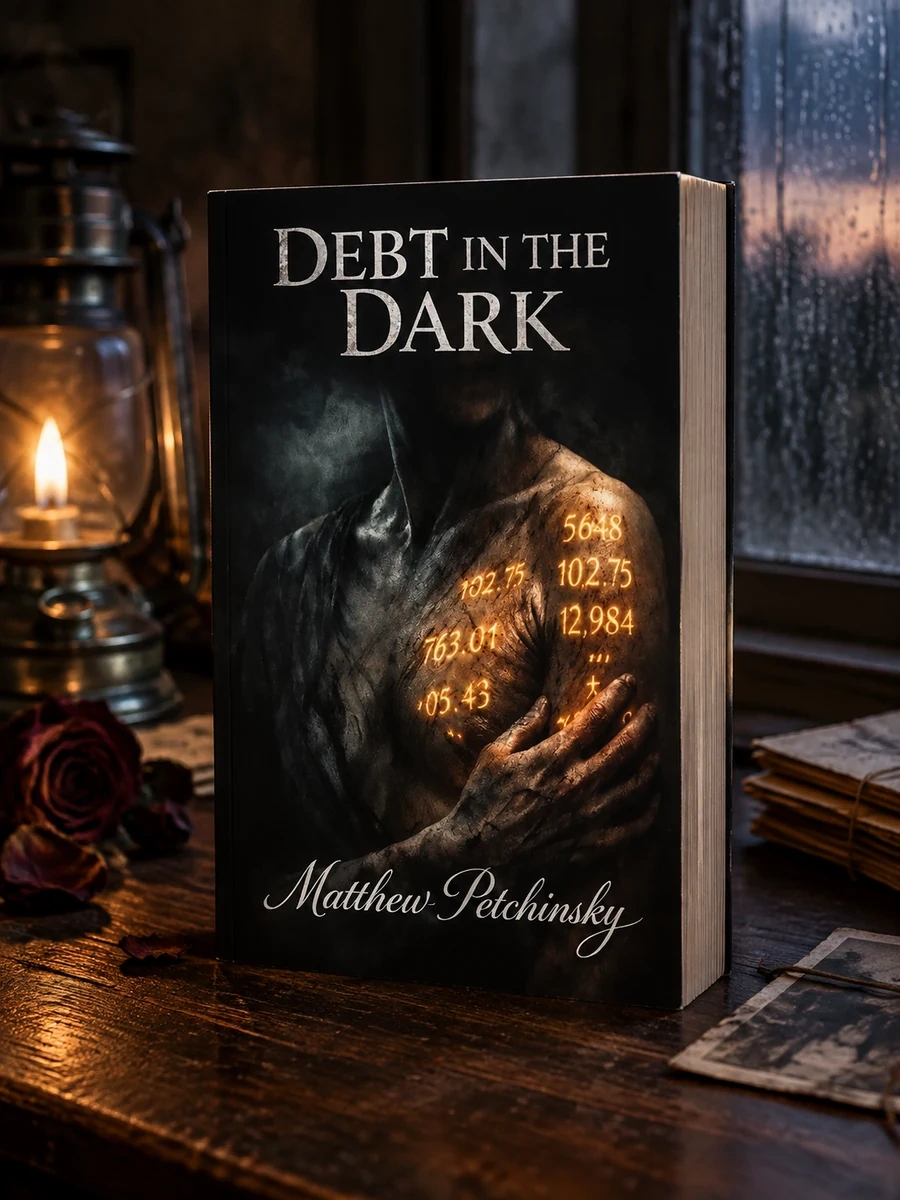
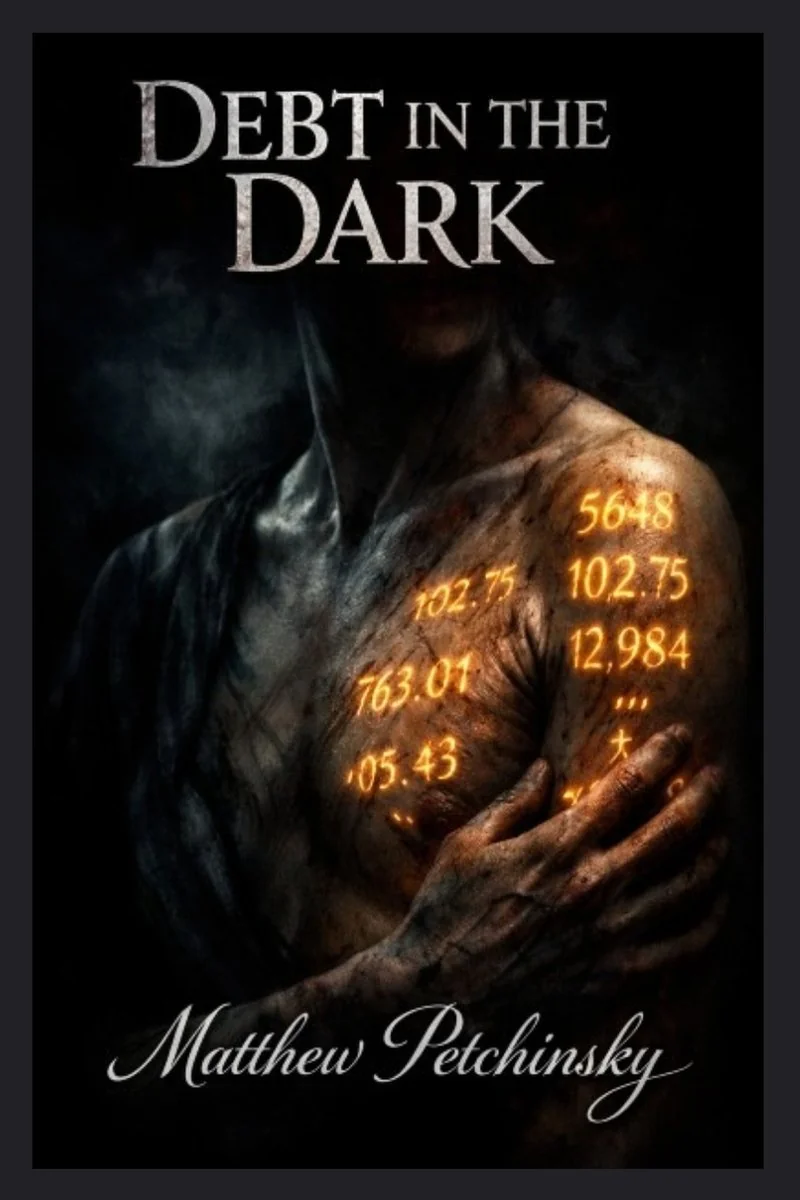
Debt in the Dark
A slow-burn dystopian novel about sanity collapsing under societal pressure.
The narrative explores how broken communities affect personal stability. Characters grapple with internal fears while facing external threats. The terror stems from losing safety rather than encountering monsters. Petchinsky builds a world where anxiety is constant and unavoidable. The plot avoids supernatural tropes, focusing instead on realistic decay. This method sustains a mood of discomfort throughout the reading experience. The structure reinforces the theme of mental deterioration. Audiences interested in dystopian psychology will appreciate this approach. The story refuses to simplify its complex emotional themes.
Published by Apophis Enterprises LLC in 2026, this paperback joins the tradition of American dystopian fiction. It reflects contemporary anxieties about societal fragility and mental health. The work sits within the broader genre of psychological horror that examines human endurance. Its release date places it in a period of renewed interest in slow-burn dread narratives.


📝 Description: Debt in the Dark
💎 Our verdict on Debt in the Dark
📖 Why choose it
Why this book is worth reading
Readers who appreciate slow-burn narratives that dissect the fragility of the human mind will find this book compelling. It offers a rigorous examination of how societal pressure and isolation erode sanity, providing a deeply unsettling yet intellectually stimulating experience. Those interested in the mechanics of anxiety and the collapse of community stability will gain insight into the psychological impact of fear. The book is ideal for individuals who prefer atmosphere over action and seek stories that challenge their comfort zone without relying on supernatural crutches. It rewards patience with a profound exploration of mental deterioration.
⭐ Reader reviews
Reader rating
Matthew Petchinsky crafts a potent study of mental strain, prioritizing atmospheric unease over conventional plot twists. The narrative effectively demonstrates how broken communities destabilize personal reality, creating a pervasive sense of dread that stems from within rather than without. By avoiding supernatural tropes, the author focuses on realistic decay, sustaining a heavy tone throughout. This approach suits readers who enjoy dystopian psychology and complex emotional themes. While fast-paced action seekers may find it too slow, those interested in the psychological impact of isolation will appreciate its refusal to simplify fear. The book stands as a stark examination of sanity under extreme stress.
📖 Read on the blog
✍️ More books by this author Matthew Petchinsky





🏛 Books from this publisher Apophis Enterprises LLC




You might also like
See more →

Have a question about this item?
Ask about the edition, condition, delivery or anything else — we reply by email or phone, usually within a day.
