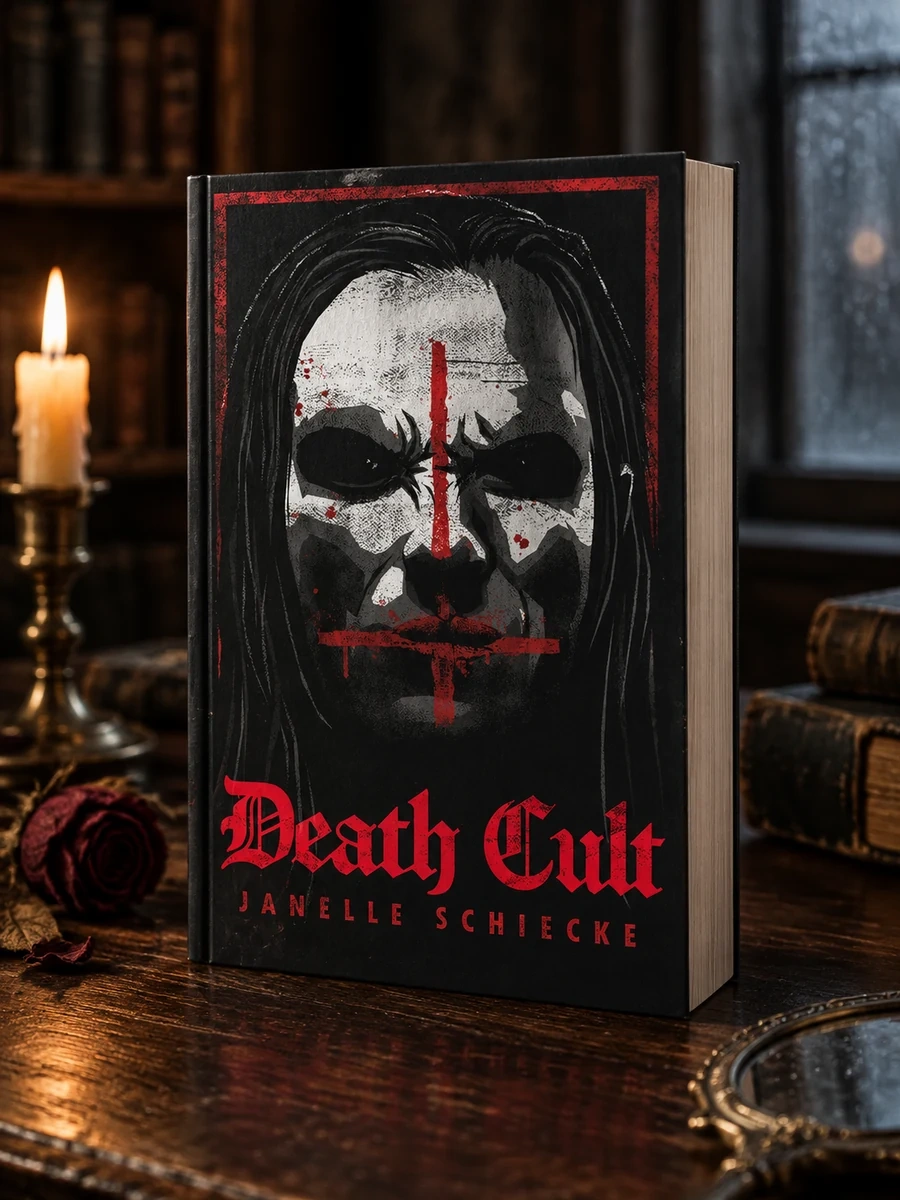
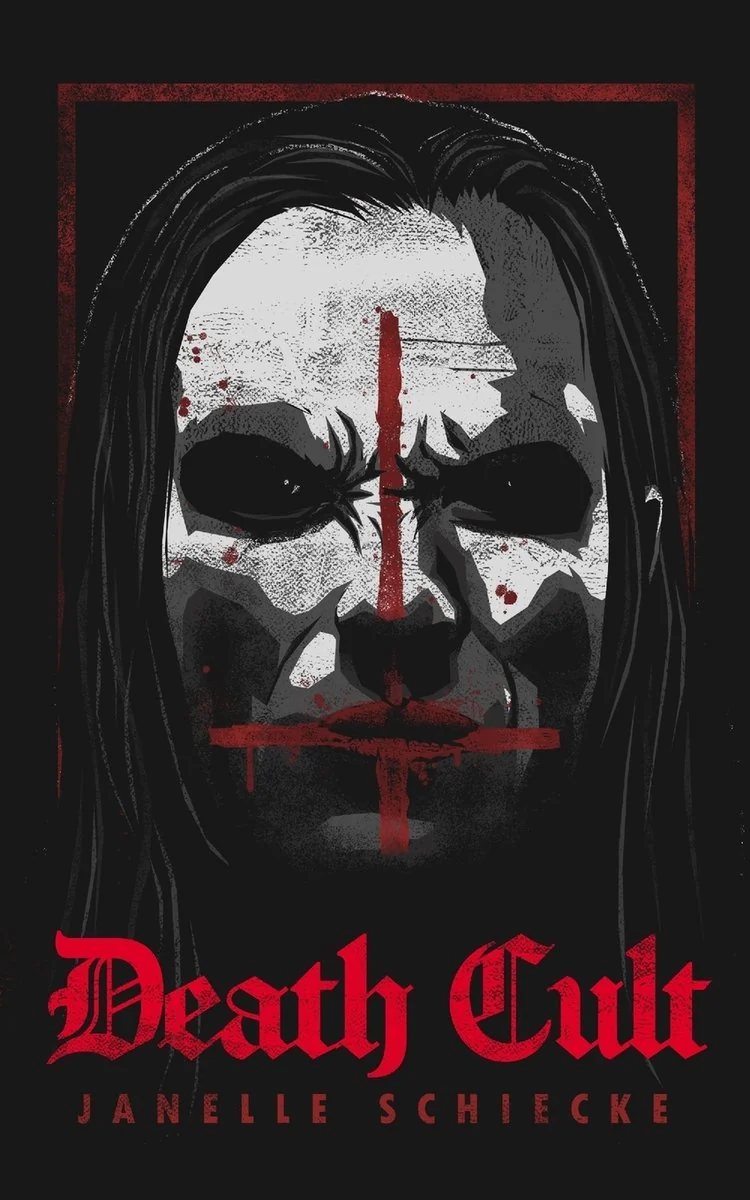
Death Cult
A 1984 road trip turns into a fight for survival against a cannibal cult in the desert.
The plot centers on three young adults facing distinct threats in isolated environments. Jason and Eddie lose their direction after a Nevada festival, leading them to a ghost town with unsettling residents. Carrie confronts horrors within a dark lair, using her agility to stay concealed. As these storylines converge, the true nature of the threat becomes clear. A cannibal death cult controls the desolate landscape, driven by an insatiable lust for blood. The characters must adapt quickly to survive this escalating violence. Schiecke structures the narrative to heighten tension through isolation and sudden danger. The book relies on classic horror tropes but delivers them with graphic intensity. It appeals to fans of visceral, action-oriented horror fiction from the mid-eighties.
Set in the summer of 1984, the story reflects the era's fascination with cross-country travel and rock music festivals. The Nevada desert setting evokes the isolation common in late twentieth-century horror narratives.


📝 Description: Death Cult
💎 Our verdict on Death Cult
📖 Why choose it
Why this book is worth reading
Readers seeking intense, graphic survival scenarios will find this book particularly rewarding. It appeals to those who enjoy visceral horror fiction that prioritizes action and sudden danger over subtle psychological nuance. The narrative offers a stark exploration of the fierce will to live when confronted with an insatiable evil. Fans of mid-eighties slasher traditions will appreciate the unflinching detail and classic tropes delivered with high intensity. It is ideal for audiences who do not mind explicit bloodshed and prefer isolated settings where characters must rely on agility and cunning. The book provides a straightforward, adrenaline-fueled experience for those tired of slow-burn mysteries.
⭐ Reader reviews
Reader rating
Schiecke delivers a graphic, unrelenting tale that leverages the slasher tradition effectively through isolation and escalating violence. The narrative structure heightens tension by interweaving separate struggles in desolate landscapes, creating a palpable sense of dread. While it relies on familiar horror tropes, the visceral intensity and focus on survival make it stand out for its target audience. It suits readers who enjoy action-oriented horror and unflinching depictions of cannibal cults. However, those seeking psychological depth or non-violent plots may find it too explicit. The book succeeds as a stark, intense choice for fans of mid-eighties genre fiction who prioritize graphic content and survival mechanics over literary subtlety.