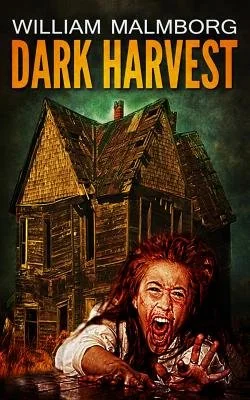
Dark Harvest
A novel about digital stalking and missing persons in Hollywood
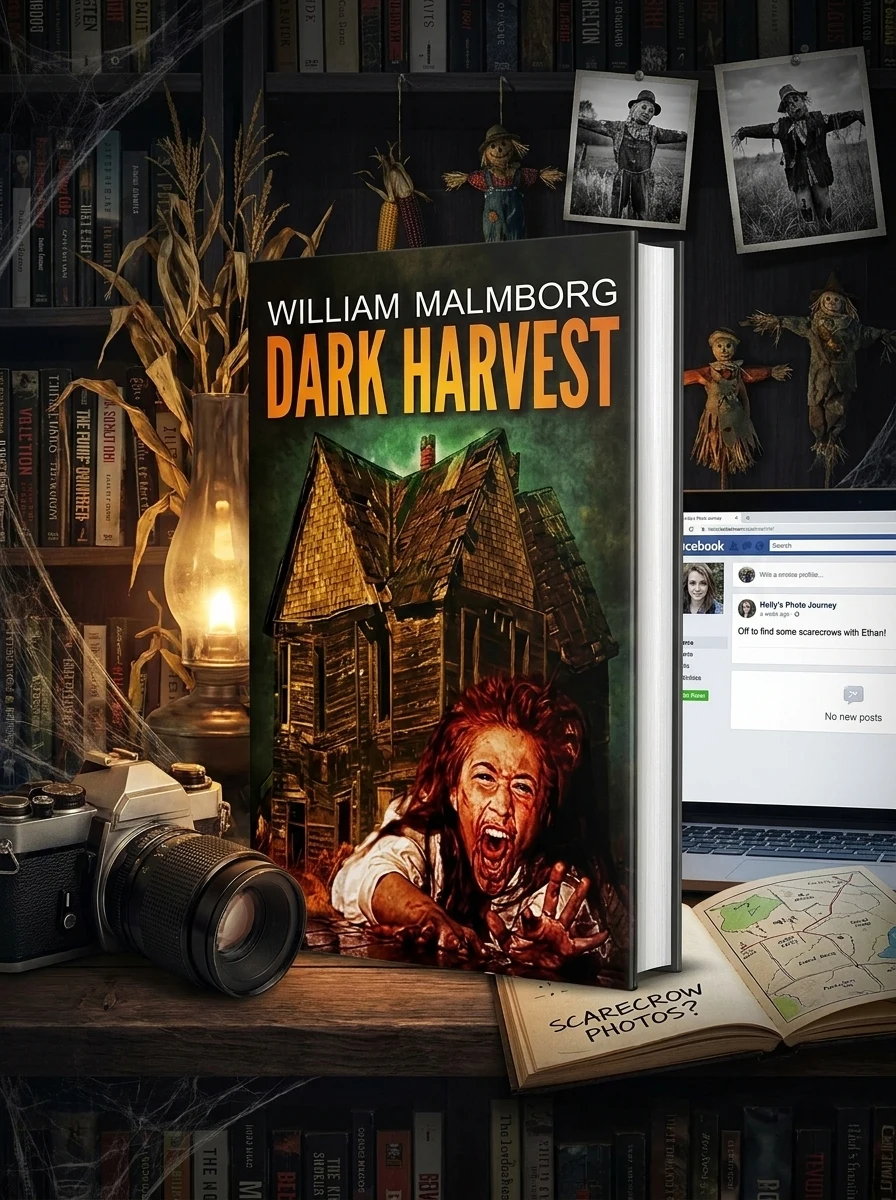
Malmborg explores how technology amplifies personal loss. Scott’s daily checks on Holly’s profile become an obsession that blurs the line between care and control. The disappearance of Holly and Ethan during a college photo project triggers a frantic search. The narrative does not offer easy answers or heroic rescues. Instead, it portrays the grim reality of investigative failure. The author uses the backdrop of Hollywood to contrast cinematic expectations with bleak outcomes. This structure challenges the reader to consider the consequences of unchecked curiosity. The book remains focused on character psychology rather than external monsters.
Published in 2013 by Darker Dreams Media, this work reflects early twenty-first century anxieties about social media and online privacy. It situates horror within the context of Hollywood and modern college life, moving away from traditional gothic estates to contemporary digital spaces.


📝 Description: Dark Harvest
💎 Our verdict on Dark Harvest
📖 Why choose it
Why this book is worth reading
Readers seeking a grounded exploration of psychological deterioration rather than supernatural spectacle will find value here. The book appeals to those interested in the dark intersection of technology and human emotion, specifically how digital tools can warp grief and rejection into obsession. It offers a stark contrast to cinematic expectations, providing a bleak, realistic look at investigative failure. Individuals who enjoy character-driven narratives that prioritize internal psychological distress over external action will appreciate the gradual unraveling of Scott’s sanity. The text serves those who want to understand the consequences of unchecked curiosity and the illusion of connection in the digital age.
⭐ Reader reviews
Reader rating
Malmborg crafts a tense, modern horror narrative that effectively uses Hollywood’s backdrop to amplify themes of isolation and failure. By focusing on Scott’s obsessive monitoring rather than traditional monsters, the author creates a chilling atmosphere rooted in realistic psychological distress. The structure challenges readers to confront the grim reality of unchecked curiosity without offering easy resolutions or heroic rescues. This approach grounds the story in contemporary anxieties about privacy and rejection, making it highly relevant to modern audiences. It suits readers who prefer character-driven psychological horror over gothic tropes or historical settings. The avoidance of sensationalism allows for a more profound examination of how technology can facilitate the gradual loss of sanity, resulting in a compelling and unsettling experience.