
Daddy's Little Girl
A darkly comic tale of a serial killer's daughter navigating teenage life.
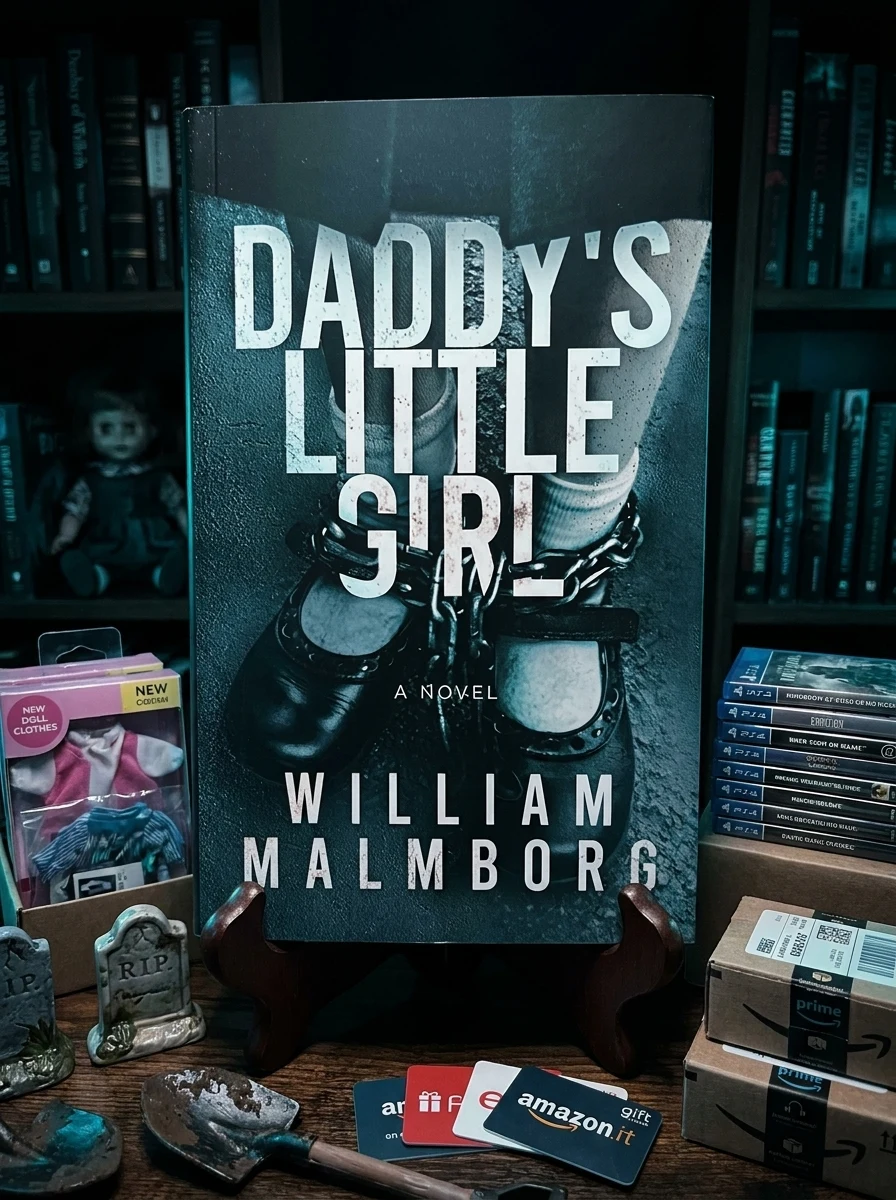
Misty balances grave-digging with online shopping. Her father compensates her with gift cards. She uses these funds to buy items for Bitsy. The narrative focuses on this transactional relationship. Misty wants to drive. This goal contrasts with her current duties. The book examines the intersection of domestic life and criminal activity through a lens of irony. It does not offer redemption arcs or moral lessons. Instead, it presents a snapshot of a peculiar family routine. The tone remains consistently wry rather than ominous. Readers interested in character-driven plots will find this approach distinct.
Published in 2019 by William Malmborg, this work sits within the contemporary American independent publishing scene. It engages with modern suburban tropes and the digital age of consumerism. The text reflects current trends in niche horror fiction that blend domestic realism with supernatural or criminal elements.


📝 Description: Daddy's Little Girl
💎 Our verdict on Daddy's Little Girl
📖 Why choose it
Why this book is worth reading
Readers seeking a departure from traditional gore or heavy psychological trauma will find this book refreshing. It offers a wry, character-driven look at a peculiar family routine where the mundane clashes with the grotesque. Those who appreciate black comedy and domestic horror will enjoy the ironic portrayal of a serial killer’s daughter navigating teenage life. The transactional relationship between Misty and her father provides a unique framework for exploring consumerism and normalcy amidst macabre duties. It is ideal for fans of twisted family dynamics who prefer situational comedy over philosophical musings or redemption arcs, offering a distinct snapshot of an oddly functional yet terrifying domestic sphere.
⭐ Reader reviews
Reader rating
Malmborg delivers a sharply ironic narrative that balances grave-digging with online shopping, creating a unique portrait of teenage life. The story succeeds in its wry tone, avoiding ominous dread in favor of concrete situational comedy. By focusing on Misty’s desire to drive and her purchases for Bitsy, the author grounds the horror in relatable adolescent aspirations. This approach makes the macabre elements feel oddly functional rather than purely terrifying. The book is best suited for readers who enjoy subversions of suburban drama and character-driven plots. It avoids broad philosophical musings, sticking instead to the specific interactions that define this twisted family dynamic. The consistent irony provides a refreshing alternative to standard horror tropes, appealing to those who prefer humor in their darkness.