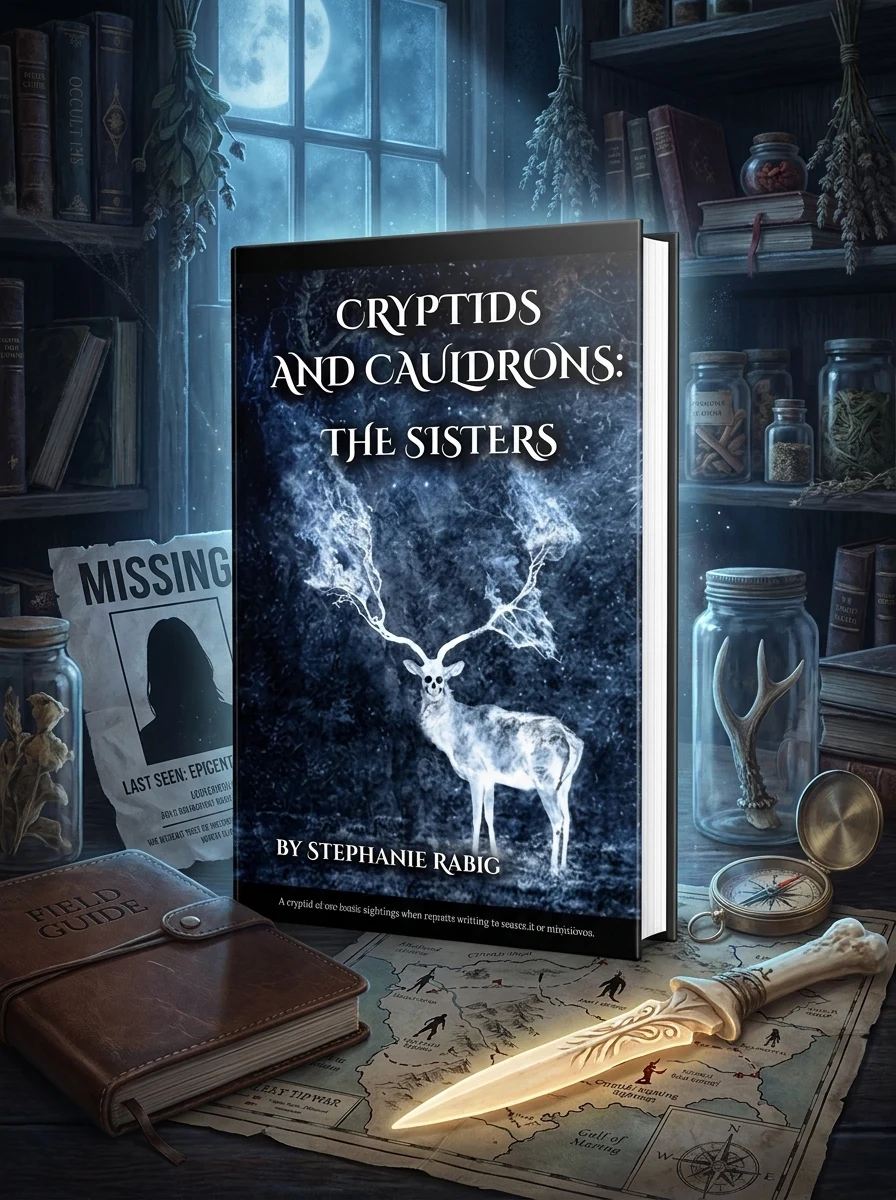
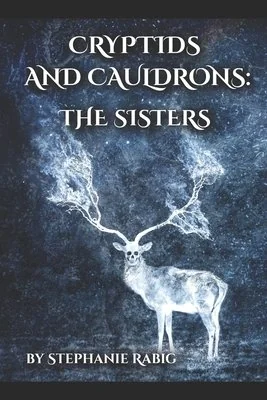
Cryptids and Cauldrons: The Sisters
A research agent hunts his friend's sister after a fatal mistake in supernatural law enforcement.
The narrative centers on Dominik Esparza, who faces severe professional repercussions after a case goes wrong. He is assigned to Field Agent Danielle Belasco for supervision and tasked with finding a missing person. The story explores the aftermath of catastrophic errors in handling cryptids. It highlights the tension between individual responsibility and organizational structure. The plot moves through the investigation of a disappearance linked to a rogue jackalope incident. Rabig uses this premise to examine guilt and redemption in a fantastical setting.
This work sits within the contemporary urban fantasy genre, published independently in 2020. It reflects modern interests in bureaucratic horror and magical realism. The setting implies a hidden society operating alongside human institutions.


📝 Description: Cryptids and Cauldrons: The Sisters
💎 Our verdict on Cryptids and Cauldrons: The Sisters
📖 Why choose it
Why this book is worth reading
Readers who enjoy urban fantasy blends with bureaucratic horror elements will find this narrative compelling due to its focus on professional consequences and personal stakes rather than academic study. It suits those interested in character-driven plots involving supernatural investigations, particularly those intrigued by the intersection of government oversight and mythical creatures. The story offers a unique glimpse into the administrative side of supernatural enforcement, examining guilt and redemption within a fantastical setting. Those seeking detailed folklore entries or non-fiction accounts may find it less appealing, but fans of accountability themes in hidden societies will appreciate the tension between individual responsibility and organizational structure.
⭐ Reader reviews
Reader rating
Stephanie Rabig constructs a world where magical beings are subject to legal prosecution, offering a fresh perspective on supernatural investigations. The narrative effectively examines guilt and redemption through Dominik Esparza’s mission to locate a missing person amidst catastrophic errors in handling cryptids. By focusing on professional consequences rather than historical analysis, the book appeals to readers who value character-driven plots. It highlights the tension between individual accountability and organizational structure within a hidden society. While it may disappoint those seeking detailed folklore entries or non-fiction accounts, it succeeds as a bureaucratic horror tale that explores the administrative side of supernatural enforcement with clarity and purpose.
📖 Read on the blog
✍️ More books by this author Stephanie Rabig


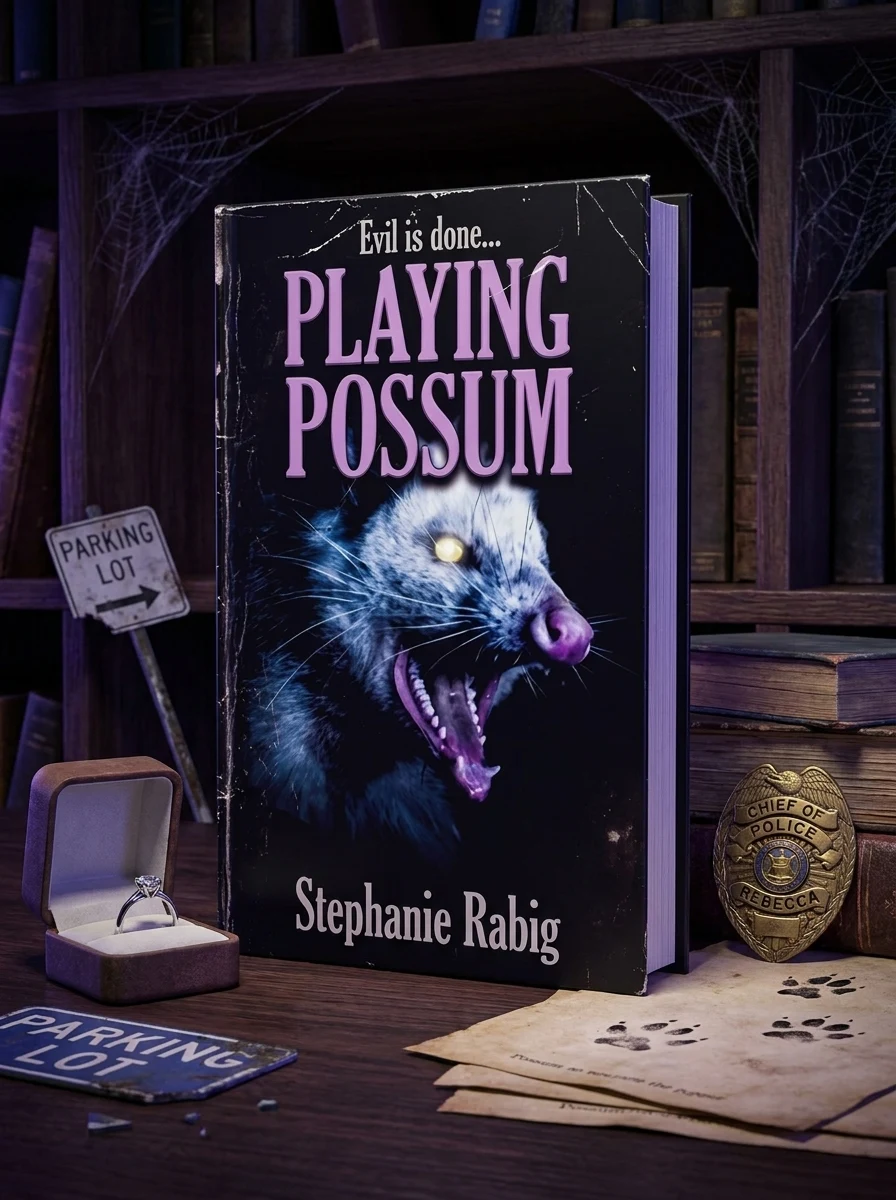

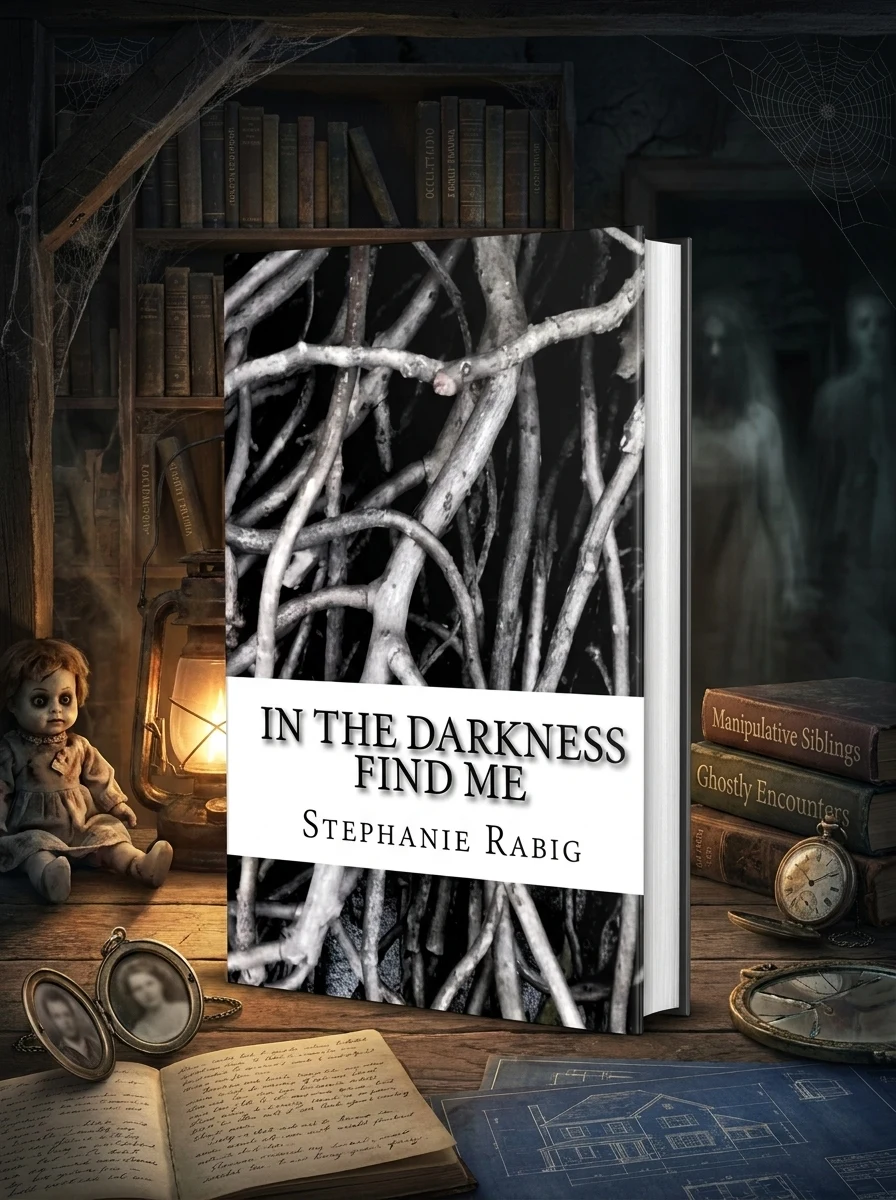
🏛 Books from this publisher Independently Published






You might also like
See more →

Have a question about this item?
Ask about the edition, condition, delivery or anything else — we reply by email or phone, usually within a day.
