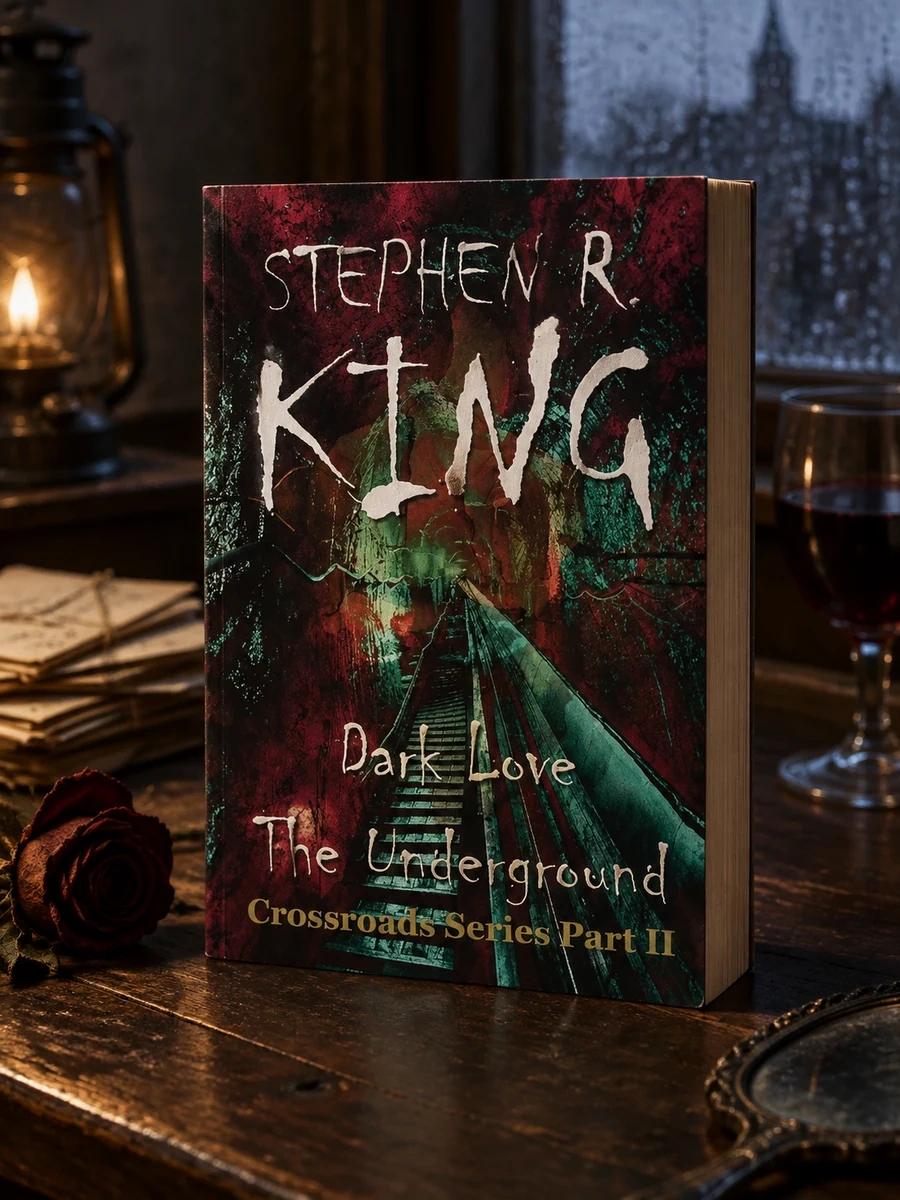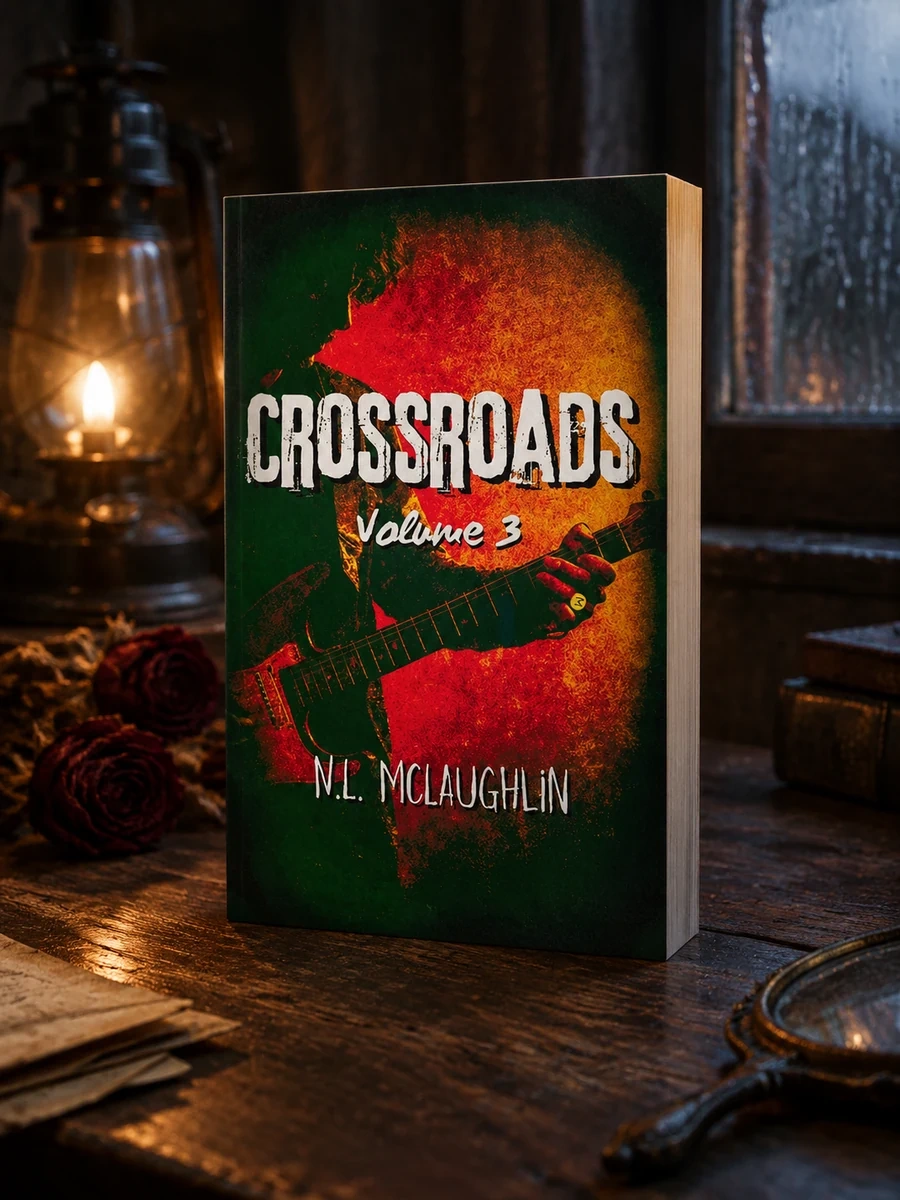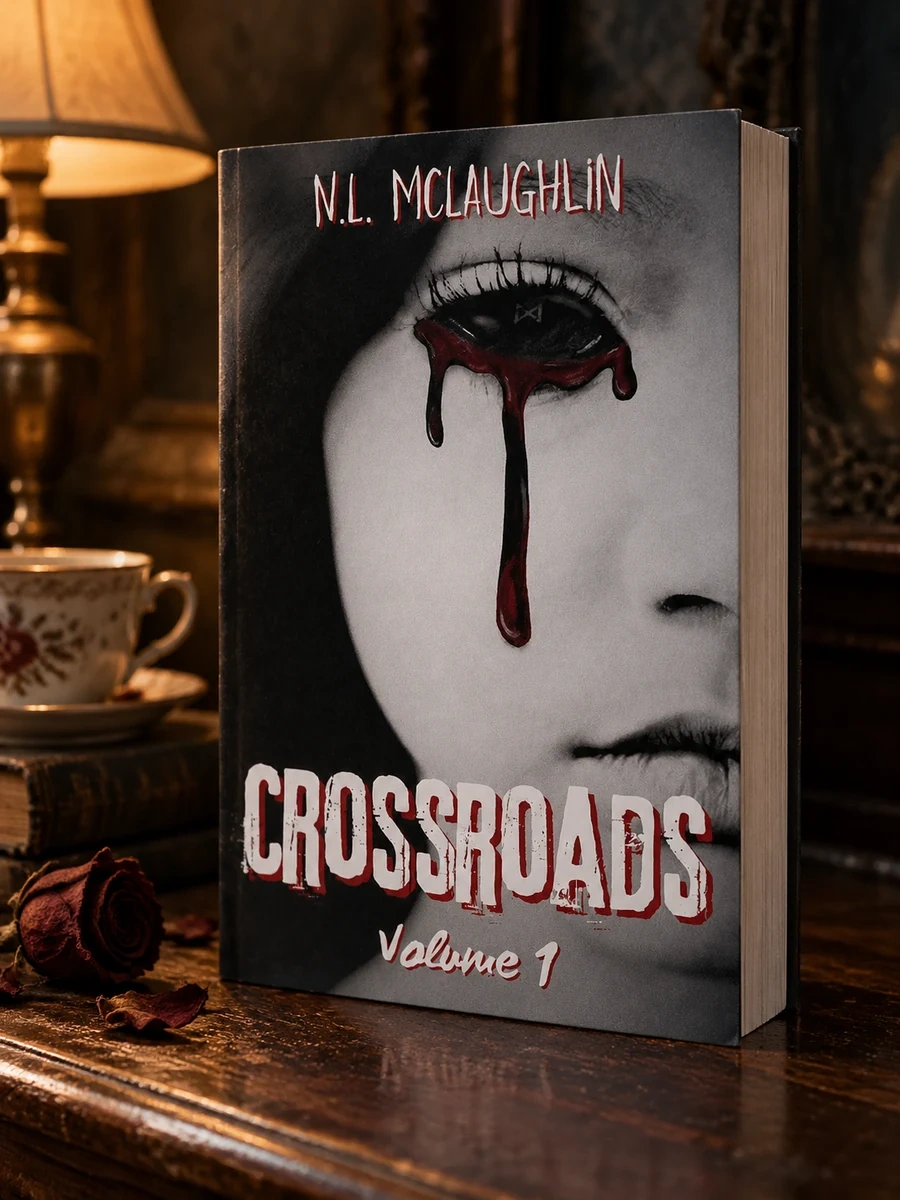
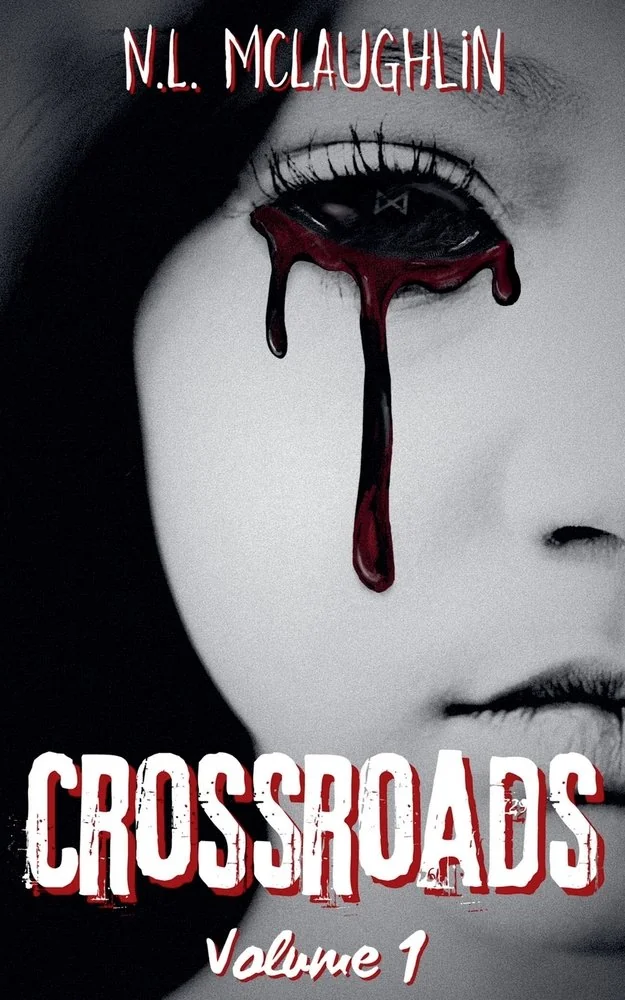
Crossroads Volume 1
A family road trip turns into a nightmare of demonic children and dark secrets.
The narrative centers on a family whose pleasant road trip is interrupted by terrifying events. Demonic figures with black eyes appear, forcing the characters to confront hidden truths about their lineage. The story implies that a past choice has led to this current crisis. The phrase pay the Piper suggests a final reckoning or debt collection. McLaughlin structures the plot around the unraveling of these secrets. The setting draws on Southern Gothic traditions, emphasizing isolation and inherited guilt. The book is short, containing only one hundred twelve pages. It offers a focused look at supernatural horror without extensive exposition. Readers will find a direct confrontation with evil forces tied to family history.
The book sits within the Southern cultural region, drawing on traditions of Southern Gothic horror. It engages with themes of occult and supernatural fiction prevalent in American literature. The narrative reflects a focus on familial curses and moral debts common in this genre.


📝 Description: Crossroads Volume 1
💎 Our verdict on Crossroads Volume 1
📖 Why choose it
Why this book is worth reading
Readers seeking a concise, intense supernatural experience will find this volume particularly rewarding. It is ideal for those who appreciate the atmospheric tension of Southern Gothic fiction and stories centered on familial curses or debts. The work offers a focused confrontation with evil forces without the burden of extensive exposition, making it accessible for quick consumption. Those interested in the psychological weight of inherited guilt and the unraveling of dark family secrets will gain from its direct narrative approach. It serves as a compact exploration of how past choices lead to inevitable reckoning, appealing to fans of horror that blends the mundane with the terrifyingly occult.
⭐ Reader reviews
Reader rating
McLaughlin delivers a tightly wound horror narrative that effectively utilizes the Southern Gothic tradition to amplify feelings of isolation and dread. By focusing on a family road trip that descends into nightmare, the author creates immediate stakes and relatable tension before introducing supernatural elements. The depiction of demonic children with black eyes provides vivid, unsettling imagery that anchors the abstract concept of inherited guilt in tangible horror. The short length ensures the plot remains focused, avoiding dilution of the central theme regarding the consequences of past decisions. This structure suits readers who prefer direct confrontations with evil over sprawling epics. The work succeeds in its aim to evoke discomfort through the lens of familial betrayal and cosmic debt.