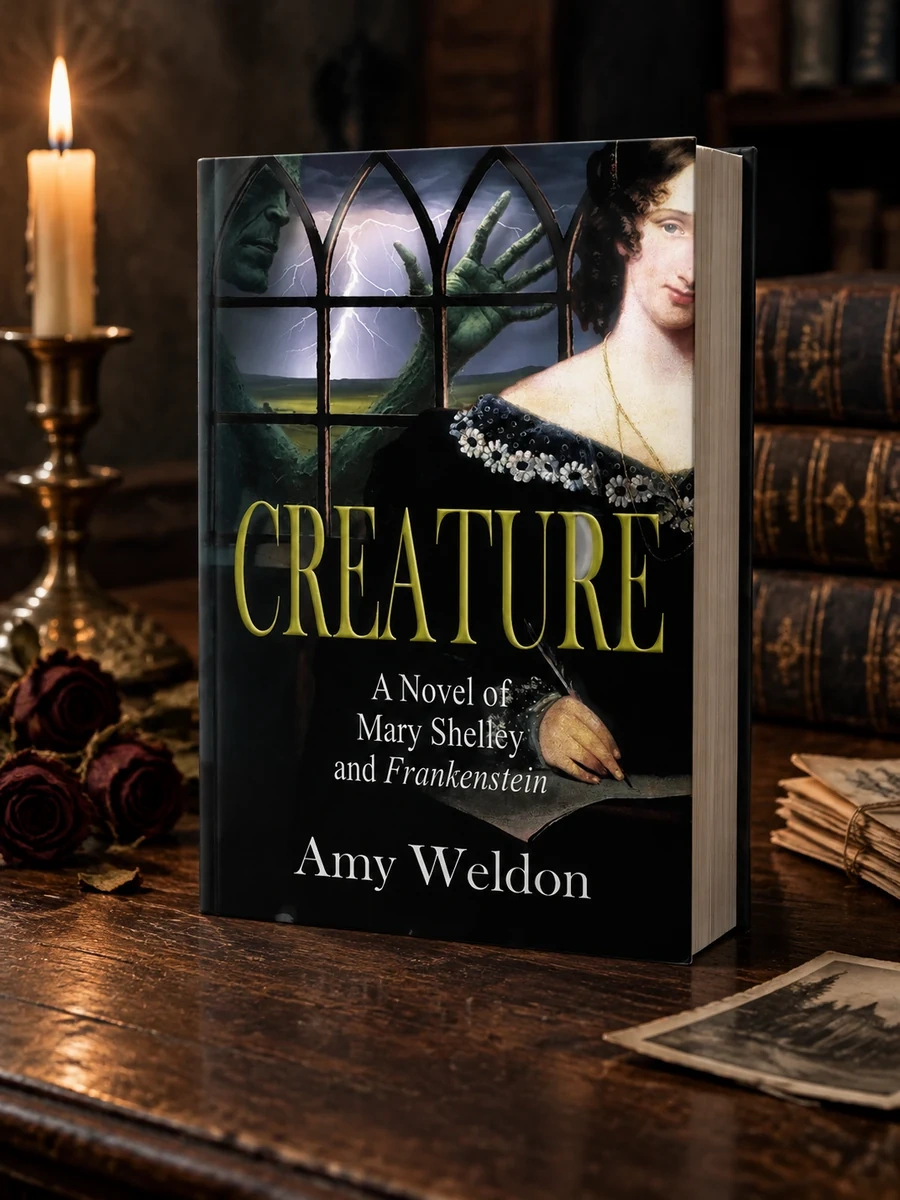
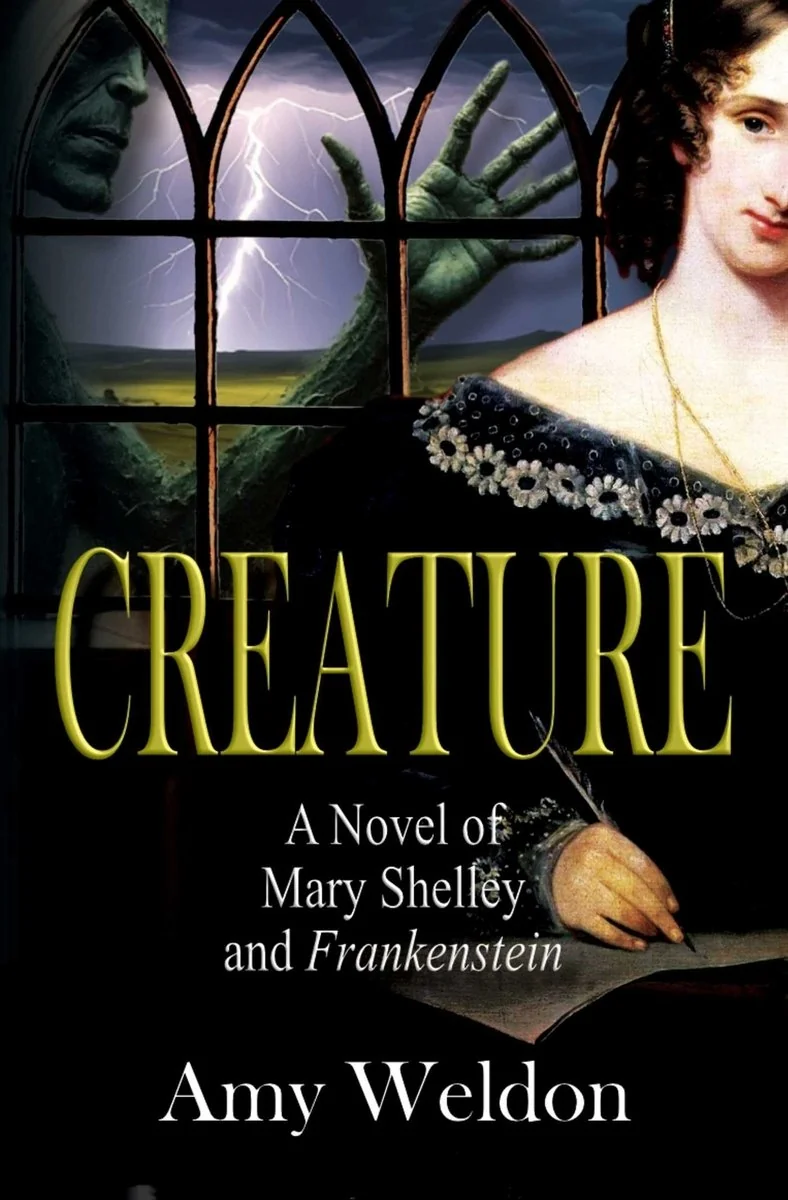
Creature
A novel about Mary Shelley writing Frankenstein as a young mother.
Weldon presents Mary Shelley not as a distant literary giant but as a young woman grappling with immediate hardships. The narrative moves across continents and centuries, linking the 1816 writing period to modern technological anxieties. This approach highlights the enduring relevance of Shelley’s themes. The book focuses on the transformation of personal pain into art. It shows how confronting inner fears can lead to external creation. The story emphasizes the physical and emotional toll of birth and parenting. It connects these experiences to the genesis of a famous monster. The narrative style blends fact with imaginative interpretation. This method allows for a deeper understanding of the author’s motivation. The book avoids glorifying the past, instead showing the struggle involved in bringing a complex work to life.
The story begins in 1816 with Mary Shelley in London and Italy. It extends into the modern technological age. This timeline connects early nineteenth-century literary creation with contemporary concerns about technology and identity. The work bridges historical biography and speculative fiction.


📝 Description: Creature
💎 Our verdict on Creature
📖 Why choose it
Why this book is worth reading
Readers interested in the intersection of personal trauma and creative output will find this book compelling. It appeals to those who appreciate biographical fiction that does not shy away from the messy realities of early motherhood and artistic creation. The narrative offers a deeper understanding of the author’s motivation by blending fact with imaginative interpretation. It suits readers who want to see how confronting inner fears leads to external creation, highlighting the physical and emotional toll of birth. By connecting past struggles to present-day concerns, it demonstrates the enduring relevance of Shelley’s themes regarding monstrosity and survival through writing.
⭐ Reader reviews
Reader rating
Amy Weldon successfully reimagines Mary Shelley not as a distant giant but as a young woman grappling with immediate hardships. The narrative effectively traces her journey from London to Italy, extending into a contemporary future to highlight technological anxieties. This approach humanizes the legendary figure, showing how personal pain transforms into art without glorifying the past. The work is ideal for readers seeking literary exploration over strict supernatural horror or dry academic biography. It frames Shelley’s experience as a vital confrontation with fear, making the abstract concept of monstrosity tangible through her physical and emotional struggles.