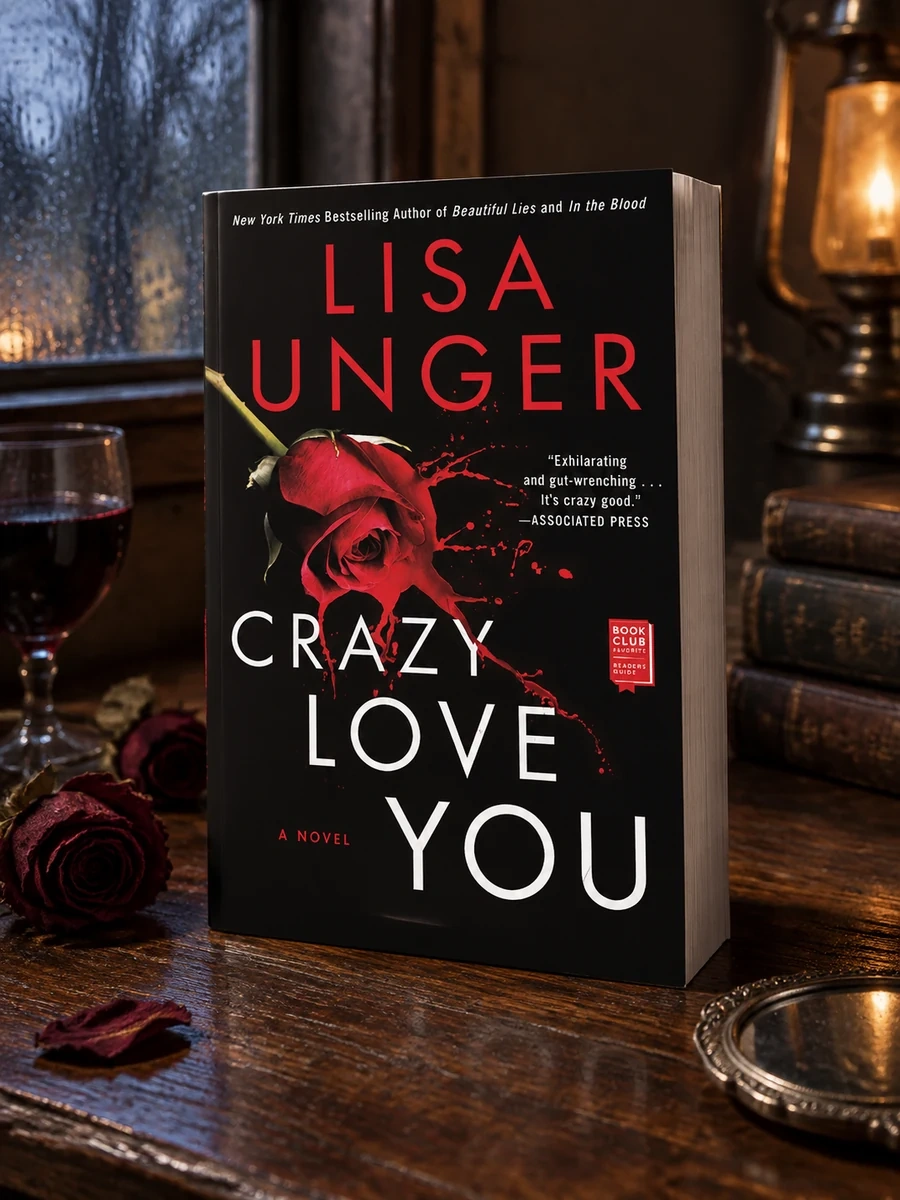
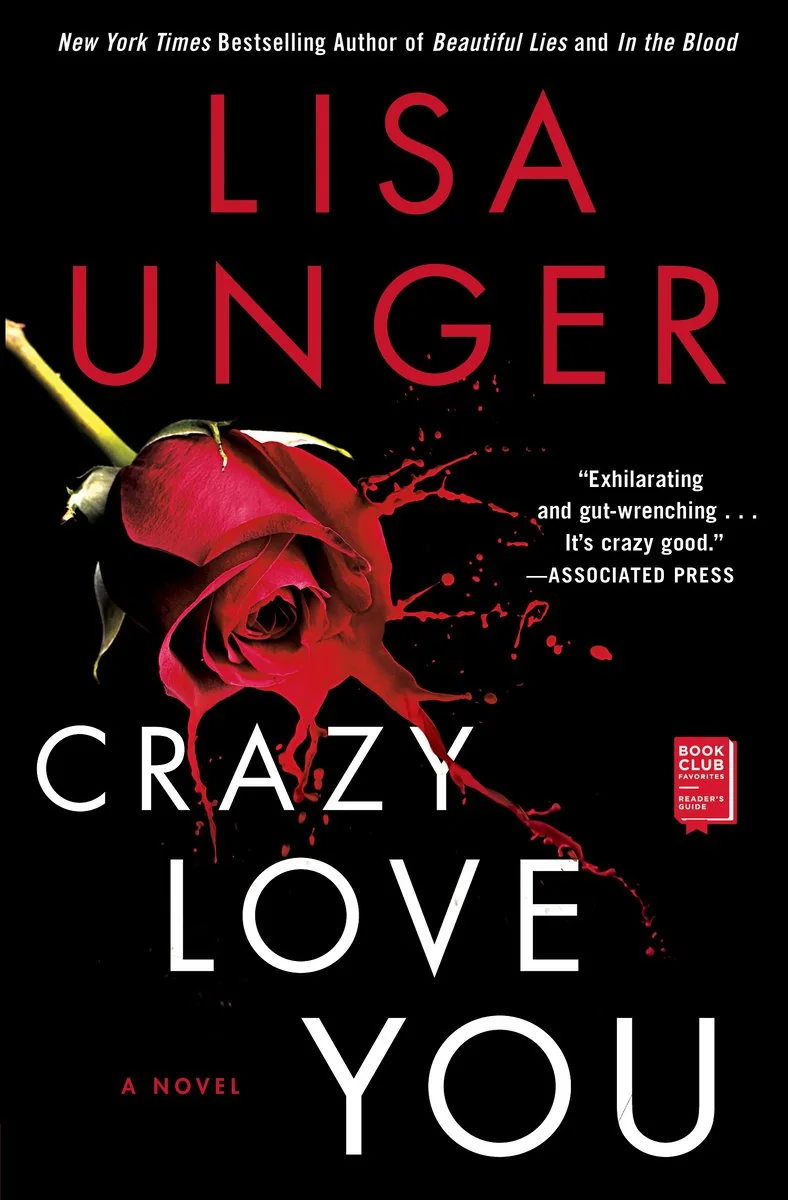
Crazy Love You
A noir thriller about childhood friends whose bond turns dangerous in New York City.
Unger examines the destructive power of unresolved trauma and codependency through the lens of a toxic relationship. The plot hinges on Ian’s struggle to escape his past while Priss actively sabotages his attempt at normalcy. By contrasting Ian’s new life with Megan against his chaotic history with Priss, the narrative highlights how anger can manifest as violence. The story relies on atmospheric tension rather than supernatural elements, grounding its horror in human psychology and emotional manipulation.
Published by Gallery Books in August 2015, this novel sits within the tradition of American noir fiction. It echoes the stylistic influence of James M. Cain while referencing cinematic touchstones like Body Heat and Fatal Attraction to frame its exploration of obsessive love.


📝 Description: Crazy Love You
💎 Our verdict on Crazy Love You
📖 Why choose it
Why this book is worth reading
Readers who appreciate psychological thrillers rooted in classic noir traditions will find this book compelling, particularly those interested in the destructive power of unresolved trauma and codependency. The narrative offers a deep dive into how anger can manifest as violence within toxic relationships, making it ideal for audiences seeking atmospheric tension over supernatural scares. Those who enjoy examining the nuances of human psychology and emotional manipulation will engage with Ian’s struggle to escape his past while Priss actively sabotages his attempt at normalcy. It is specifically suited for fans who prefer grounding their horror in realistic, psychological dread rather than fantasy elements, providing a simmering portrait of angst where love becomes a living nightmare.
⭐ Reader reviews
Reader rating
Lisa Unger delivers a noirish tale that effectively channels the spirit of James M. Cain to examine romantic obsession and toxic dynamics. The narrative successfully traces Ian and Priss’s bond from childhood refuge to adult menace, highlighting how shared trauma curdles into danger. By contrasting Ian’s potential stability with Megan against his chaotic history with Priss, Unger creates a compelling study of psychological horror. The book excels in building atmospheric tension without relying on supernatural elements, offering a realistic portrayal of emotional manipulation. It is best suited for readers who enjoy complex character studies and noir aesthetics, though those seeking lighthearted romance or ghost stories should look elsewhere.