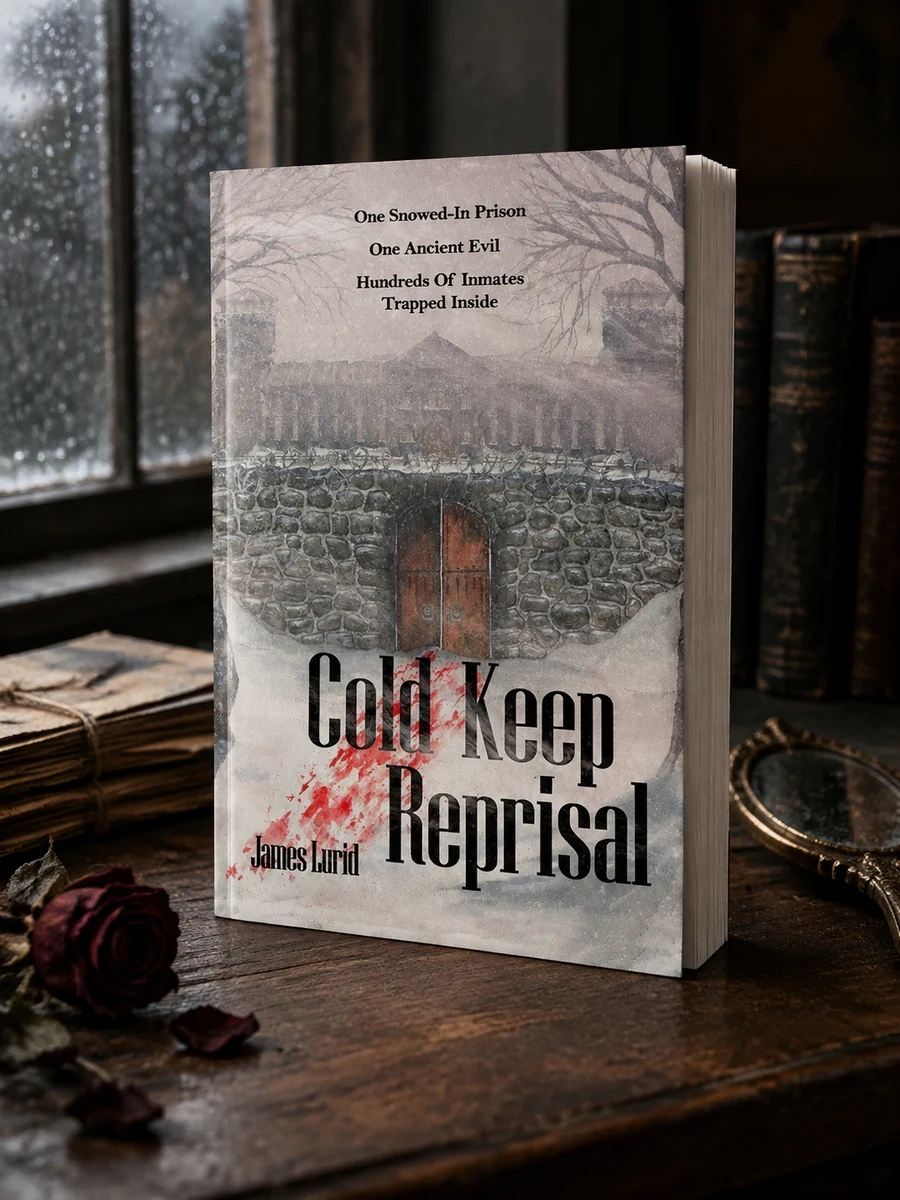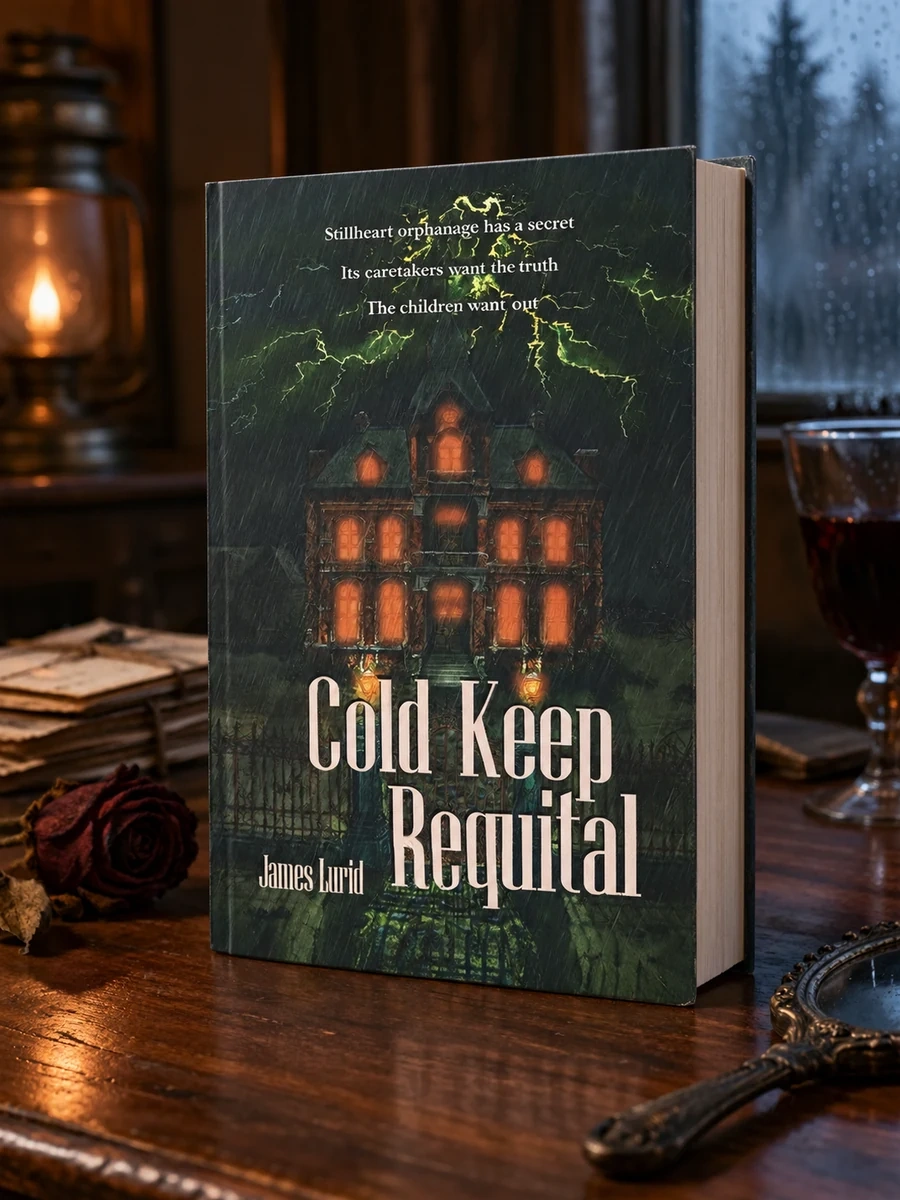
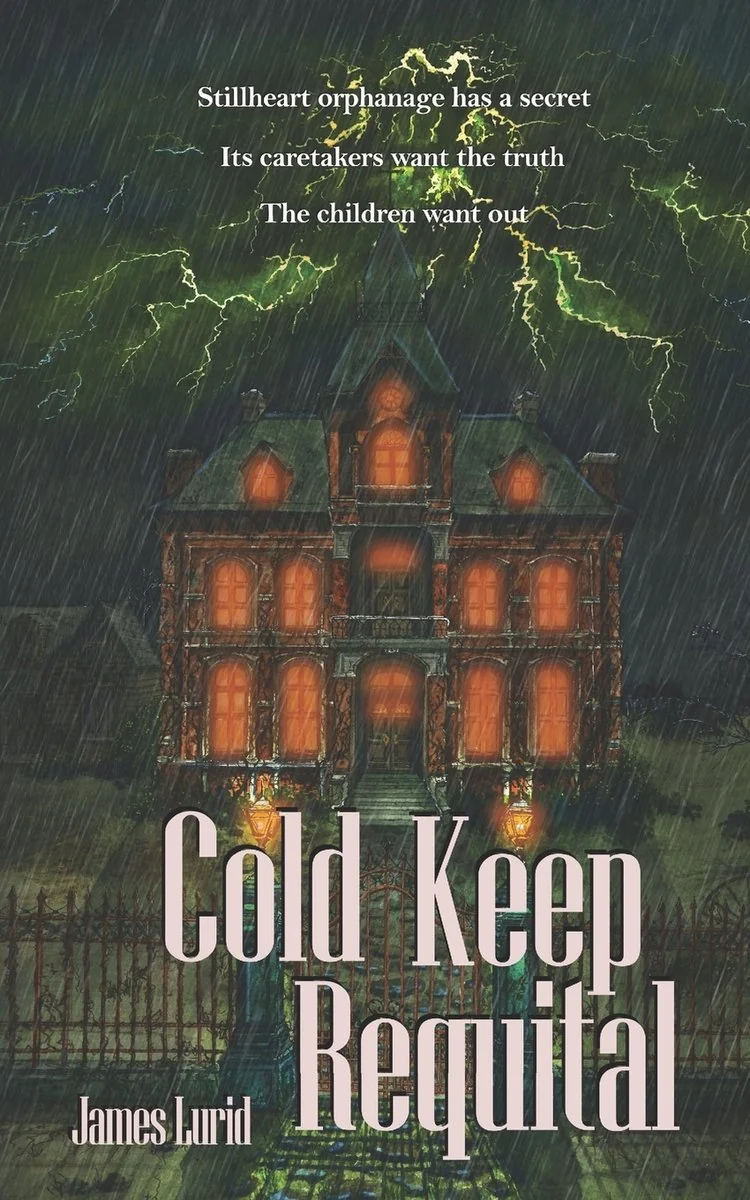
Cold Keep Requital
A father and two companions infiltrate a sinister orphanage to save a captive child.
Dakota, Eddie, and Walter face unique challenges while attempting to retrieve Dakota’s son from Stillheart's Home for Lost Children. The home sits atop a hill, overlooking the town below. Dakota is burdened by guilt from previous actions. Eddie exhibits nervous reluctance about the mission. Walter displays a new taste that deviates from normal meals. These factors hinder their progress. They must bypass the entity residing in the mansion’s bowels. The story explores themes of parental love, guilt, and survival against supernatural odds. Lurid uses these elements to create a tense atmosphere where every step forward is fraught with danger.
This novel fits within the American horror tradition of gothic fiction, published in 2024 by Ciss. It draws on classic tropes of isolated institutions and lurking monsters. The setting of a hilltop home overlooking impoverished townsfolk reflects historical anxieties about class and isolation in supernatural narratives.


📝 Description: Cold Keep Requital
💎 Our verdict on Cold Keep Requital
📖 Why choose it
Why this book is worth reading
Readers who crave atmospheric tension over rapid action will find this narrative deeply rewarding. It appeals to those interested in the psychological unraveling of characters burdened by guilt and moral ambiguity. The story offers a compelling study of parental desperation against insurmountable supernatural odds. Those who enjoy dark fantasy and true crime aesthetics may appreciate the grim setting and complex character dynamics. It is ideal for audiences seeking a slow-burn experience where every step is fraught with danger. The book challenges readers to engage with themes of survival and trust in a malevolent environment. Fans of gothic horror will find satisfaction in the intricate interplay between internal flaws and external threats.
⭐ Reader reviews
Reader rating
James Lurid crafts a chilling narrative that prioritizes psychological tension over straightforward action. By focusing on Dakota’s guilt, Eddie’s reluctance, and Walter’s disturbing changes, the author builds a suffocating atmosphere of dread. The setting of Stillheart's Home serves as a perfect vessel for gothic horror tropes, blending institutional fear with supernatural menace. This approach suits readers who appreciate character-driven stories where internal struggles mirror external horrors. However, those seeking lighthearted adventure or clear resolutions may find the experience too dense and unsettling. Lurid demands attention to the subtle interplay between the rescuers' flaws and the entity's influence. The result is a tense, immersive tale that leaves readers questioning trust and survival in the face of cosmic horror.