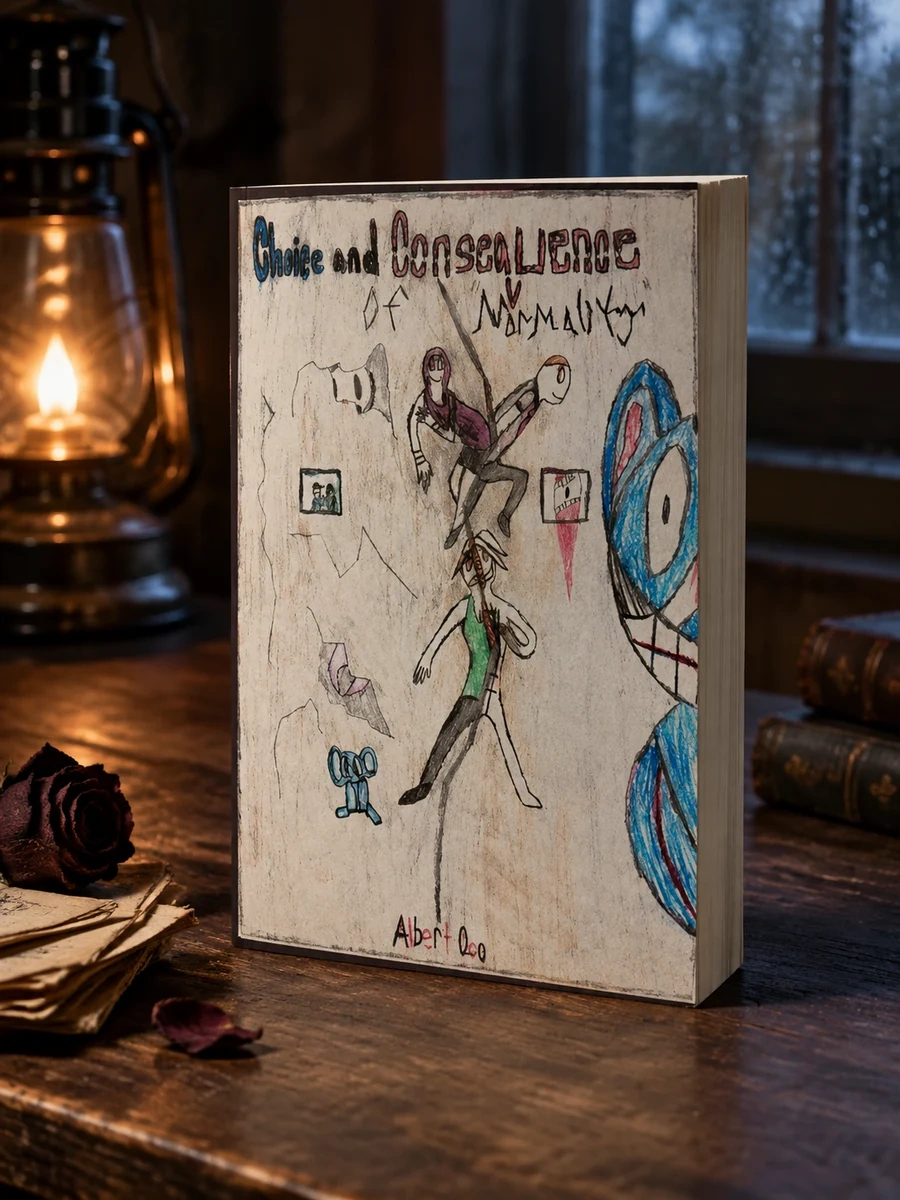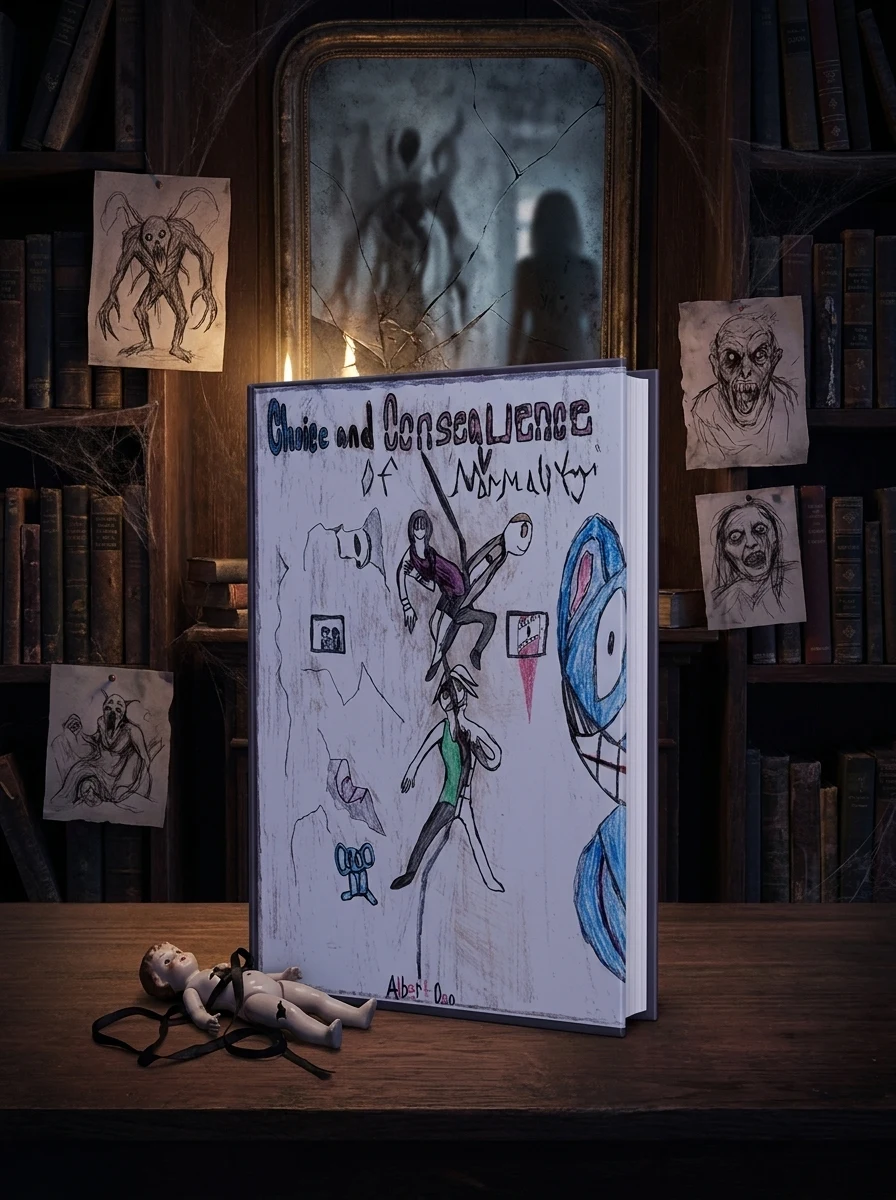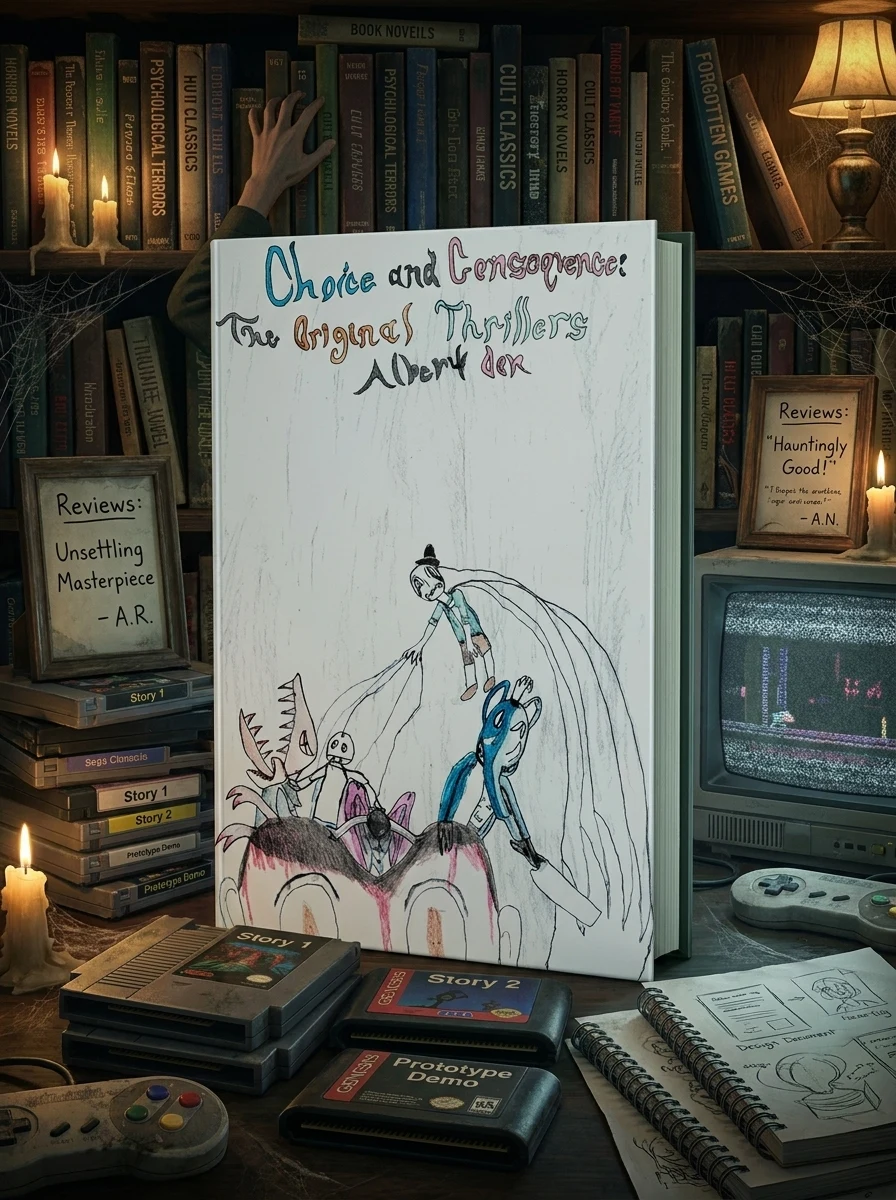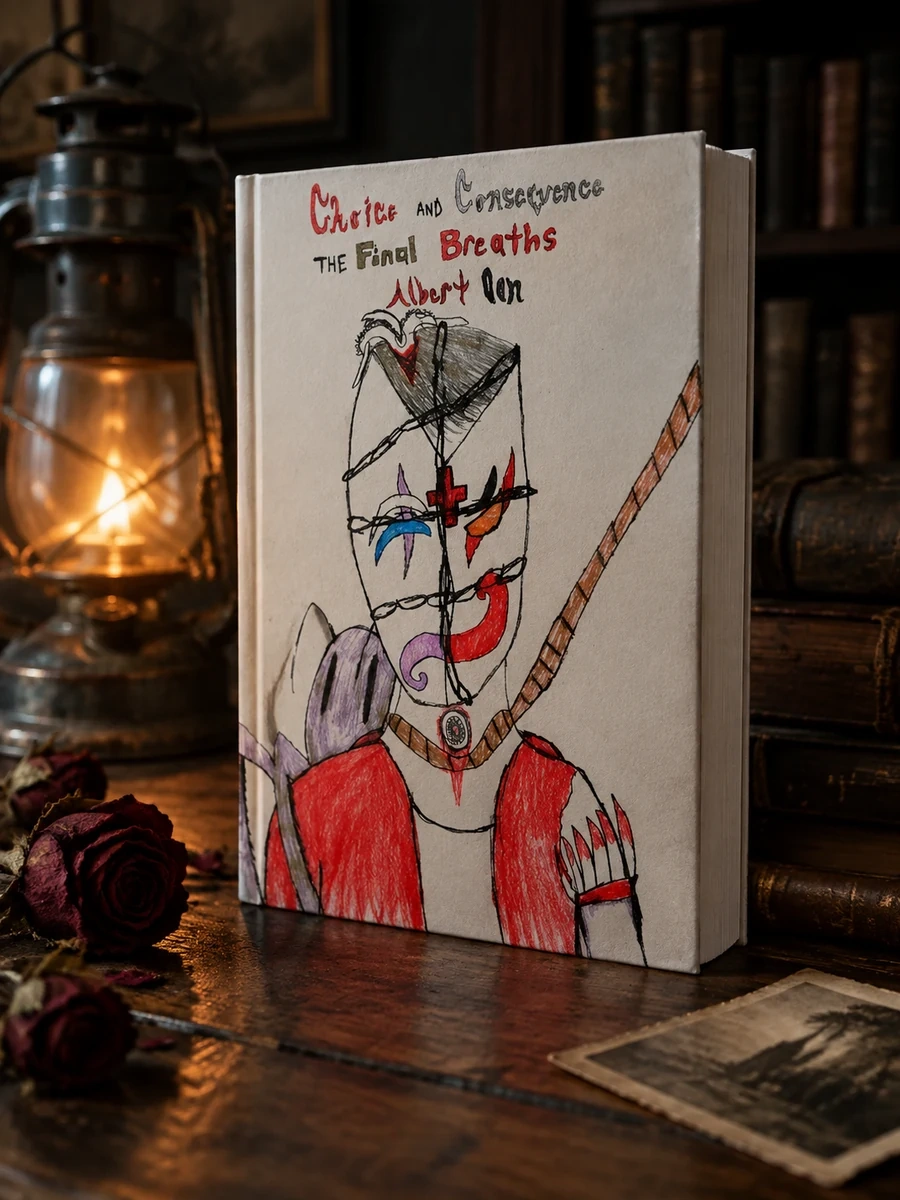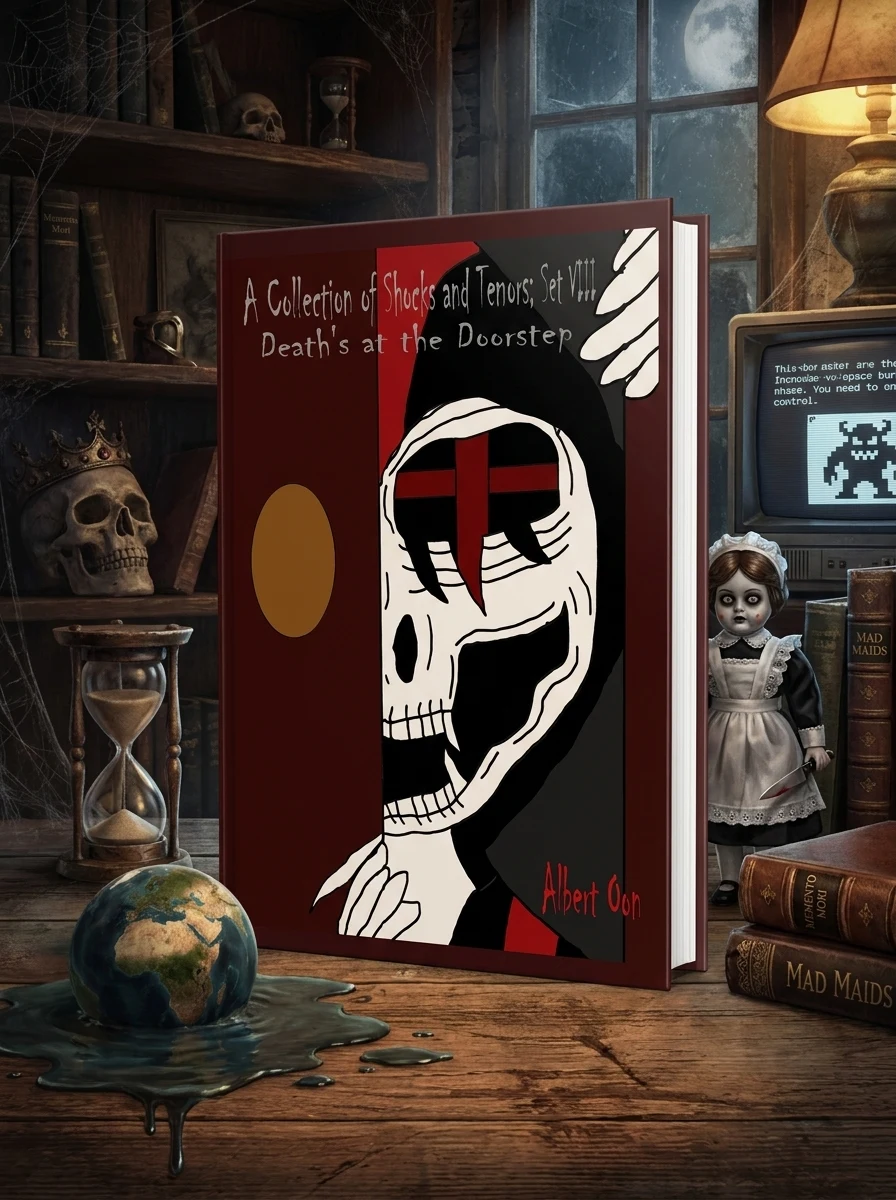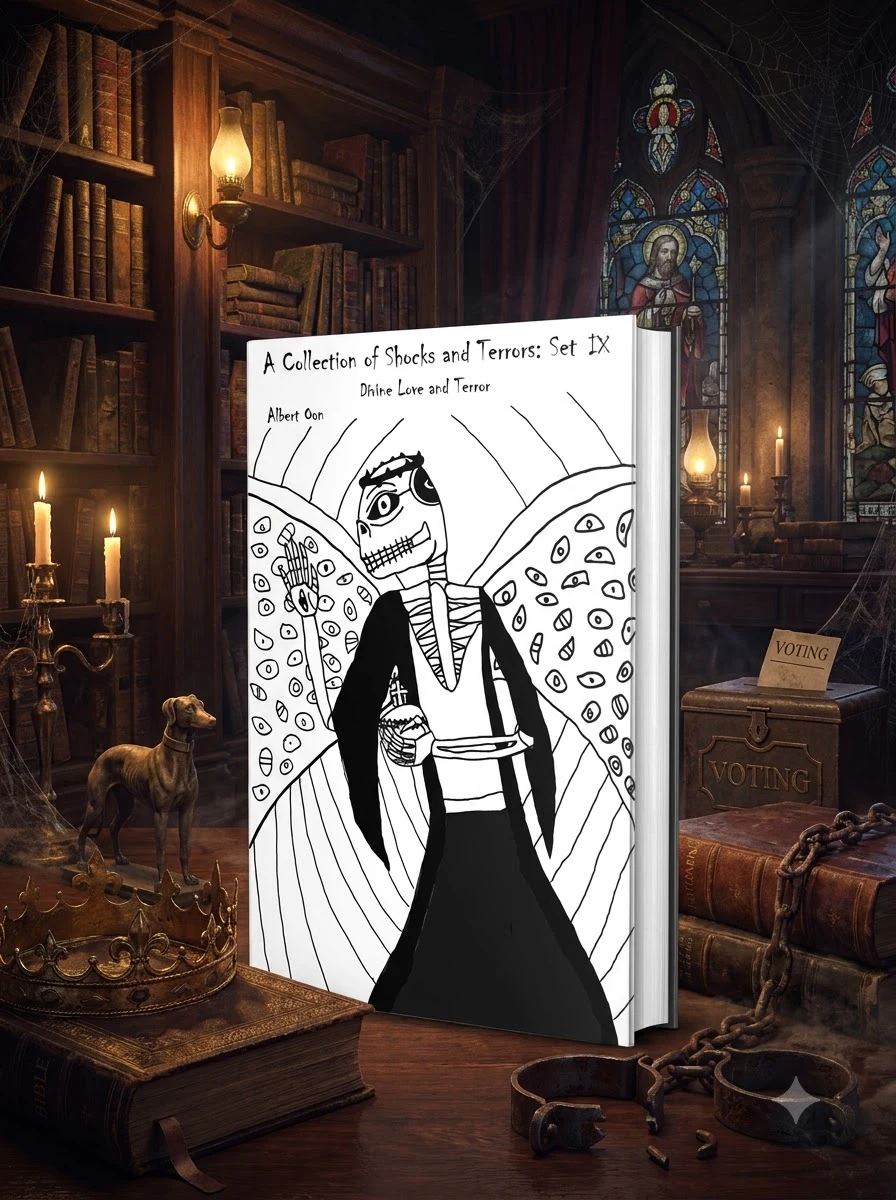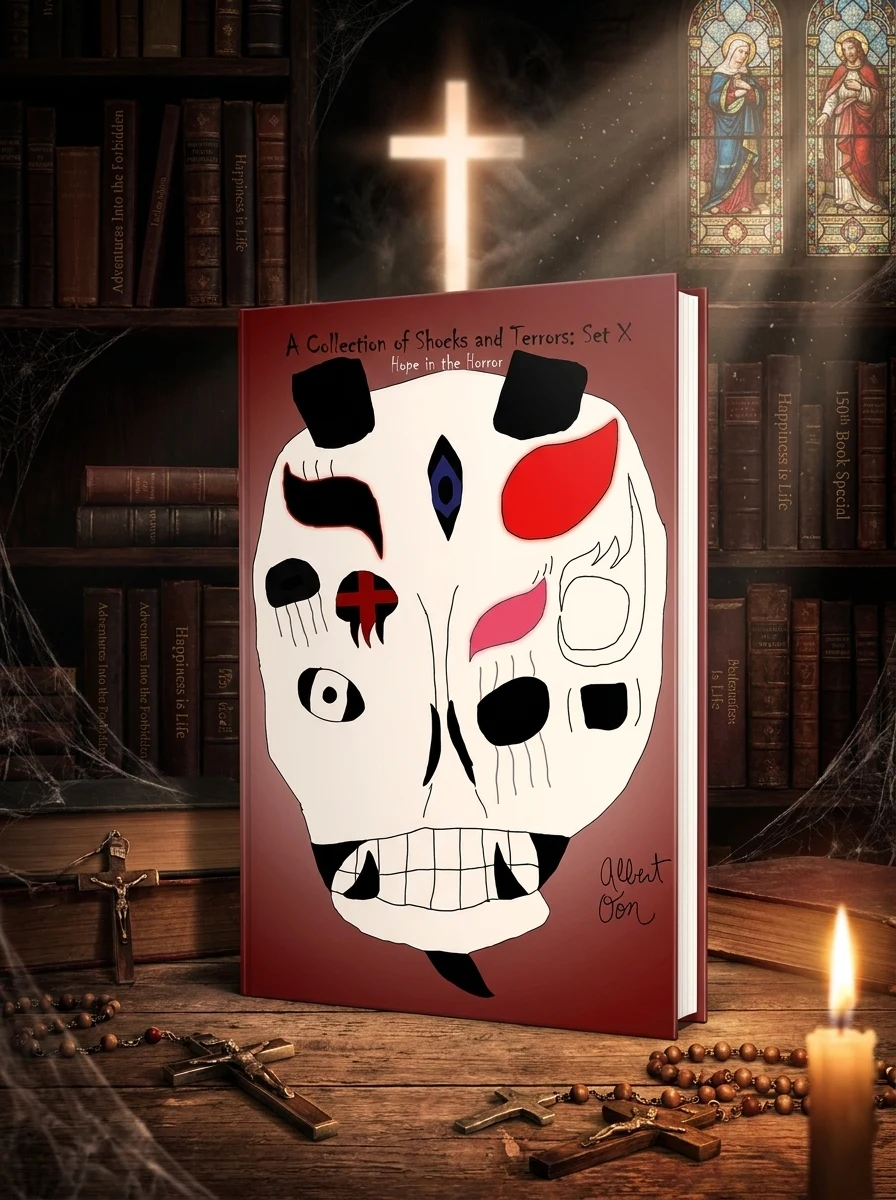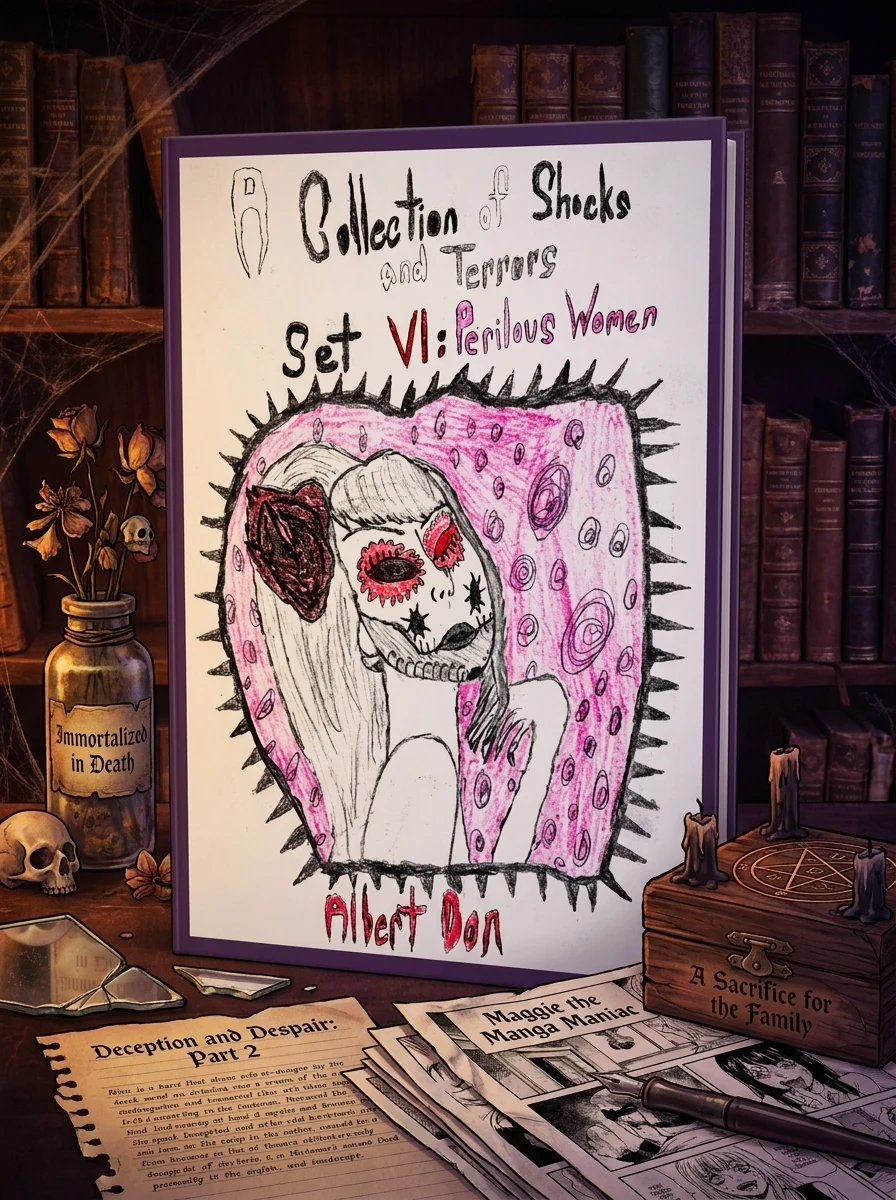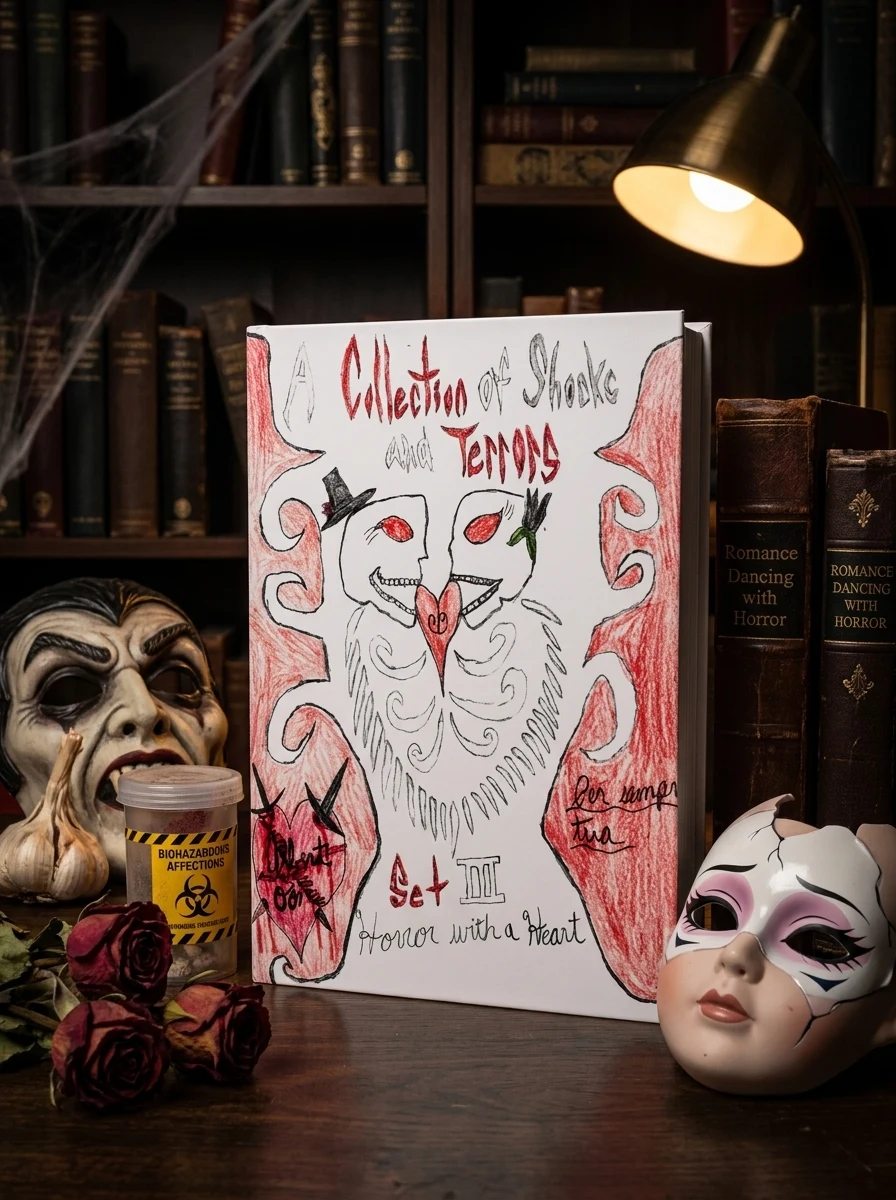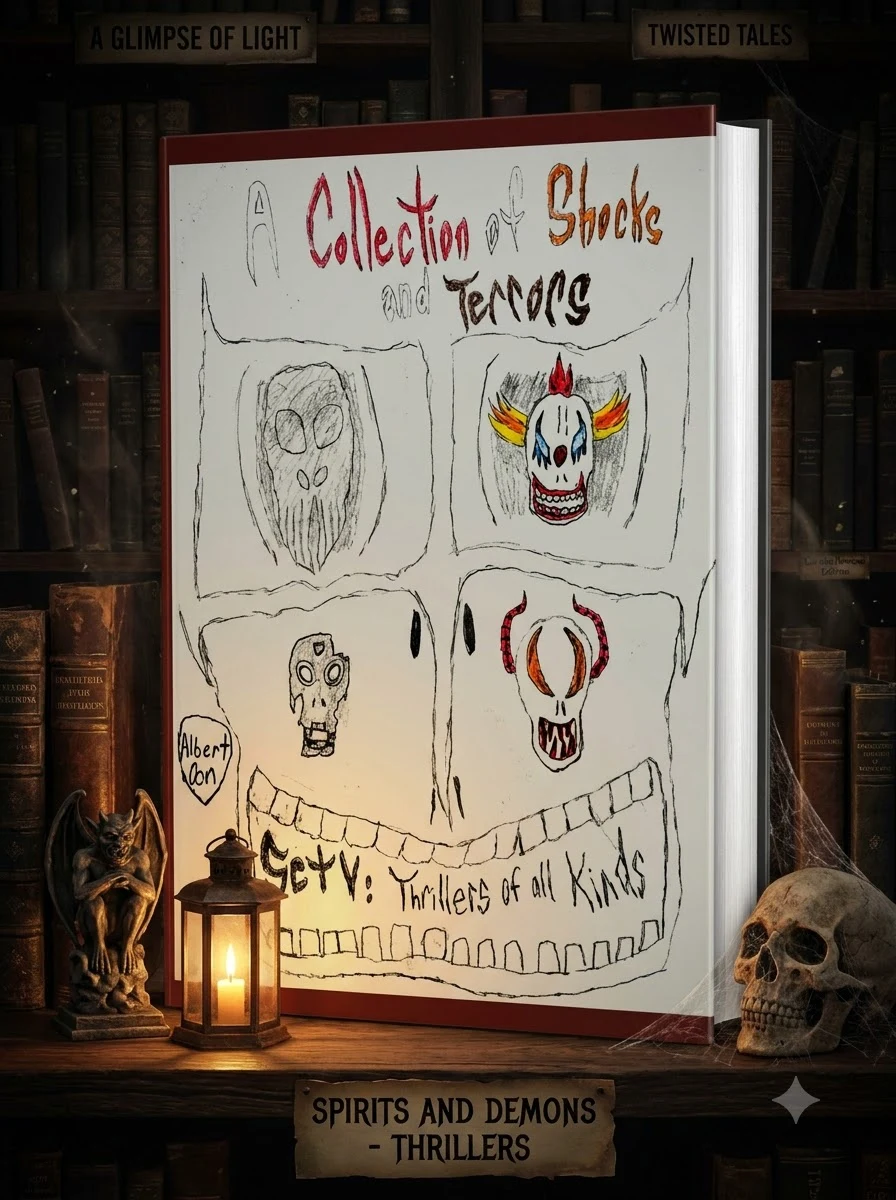
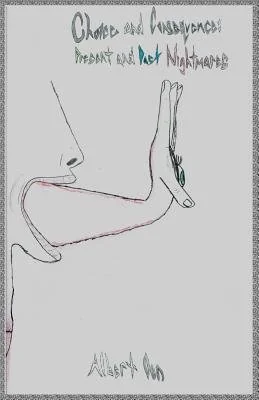
Choice and Consequence: Present and Past Nightmares
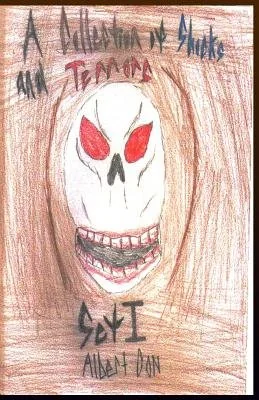
Albert Oon explores moral dilemmas through psychological horror stories.
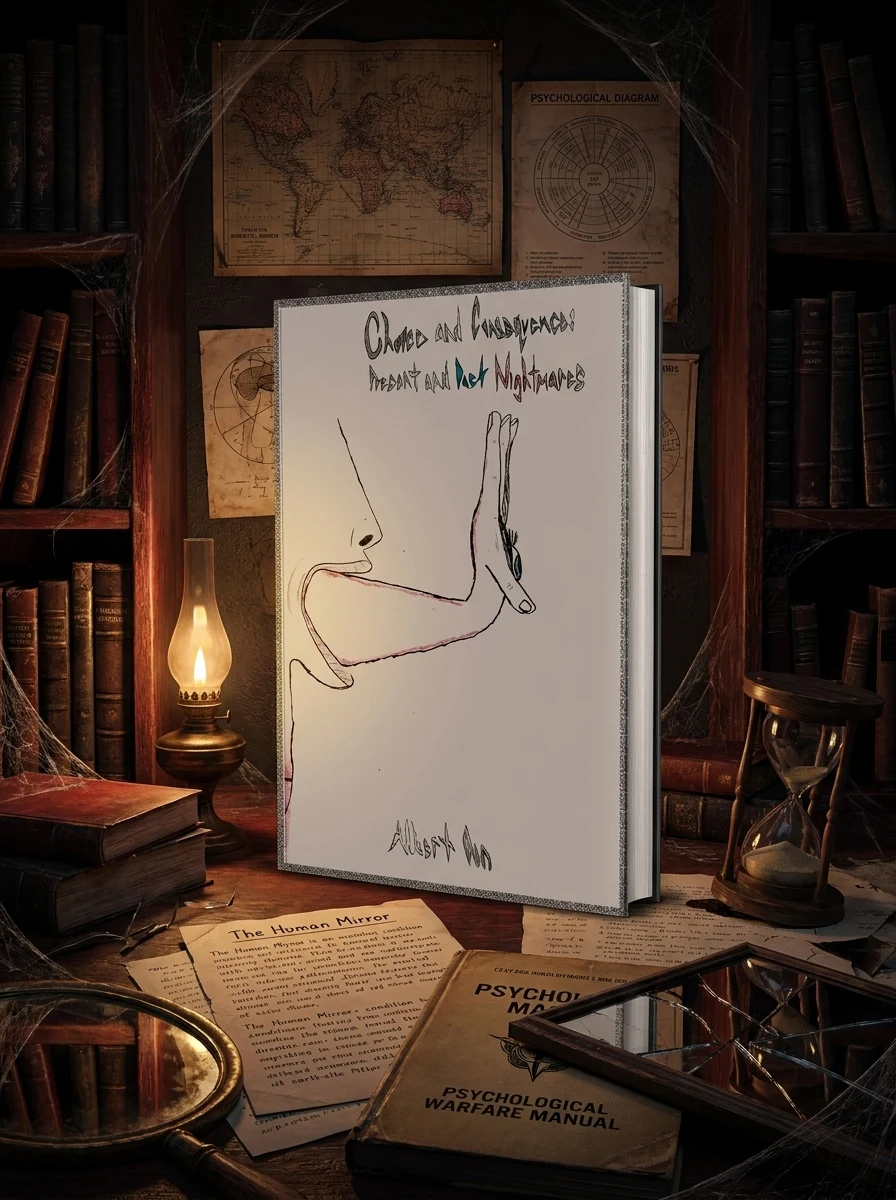
This collection examines the ethical weight of obedience and the blurry line between reality and illusion. Oon structures the work to contrast the pressure of following orders with the personal drive for revenge. Each narrative serves as a case study in difficult decision-making. The inclusion of analytical essays provides context for the psychological phenomena described. Readers gain insight into how the author constructs these terrifying scenarios through detailed trivia and explanatory papers.
Published in 2017 by Createspace Independent Publishing Platform, this work sits within the tradition of psychological horror that prioritizes internal conflict over external monsters. It reflects a contemporary interest in the ethical implications of authority and the unreliability of perceived truth in supernatural fiction.


📝 Description: Choice and Consequence: Present and Past Nightmares
💎 Our verdict on Choice and Consequence: Present and Past Nightmares
📖 Why choose it
Why this book is worth reading
Readers interested in the intersection of ethics and horror fiction will find this collection compelling for its rigorous examination of moral dilemmas. It appeals to those who prefer psychological depth over simple jump scares, offering a structured exploration of obedience and revenge. The inclusion of analytical essays and trivia provides unique insight into the creative process, satisfying intellectually curious minds. By contrasting the pressure of authority with personal drive, the book offers a complex study of human decision-making. It is ideal for audiences seeking to understand how terrifying scenarios are constructed through detailed explanation, rather than just experienced.
⭐ Reader reviews
Reader rating
Albert Oon delivers a sophisticated collection that prioritizes intellectual framework over traditional gore. The dual structure effectively contrasts the ethics of compliance with the instability of reality, creating a tense atmosphere rooted in psychological warfare. The inclusion of analytical papers on phenomena like the Human Mirror adds significant value for readers who appreciate deconstructing the horror genre. While it may disappoint those seeking straightforward action or easy thrills, it succeeds as a case study in difficult decision-making. The work is best suited for enthusiasts of cosmic and psychological horror who enjoy discerning truth from illusion within a stable textual environment.