Choice and Consequence of "Normality": Black and White Version
A psychological horror story about a woman fighting monsters born from her own personality.
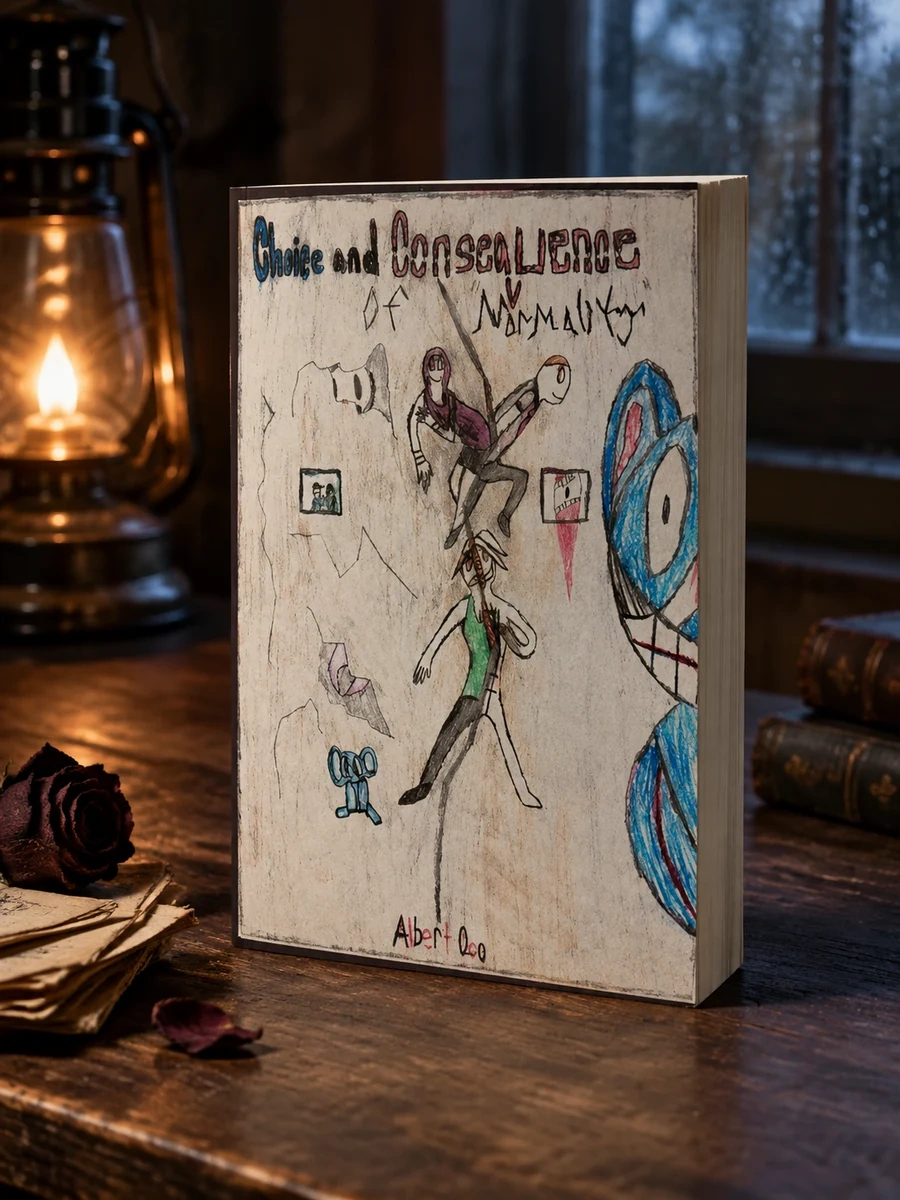
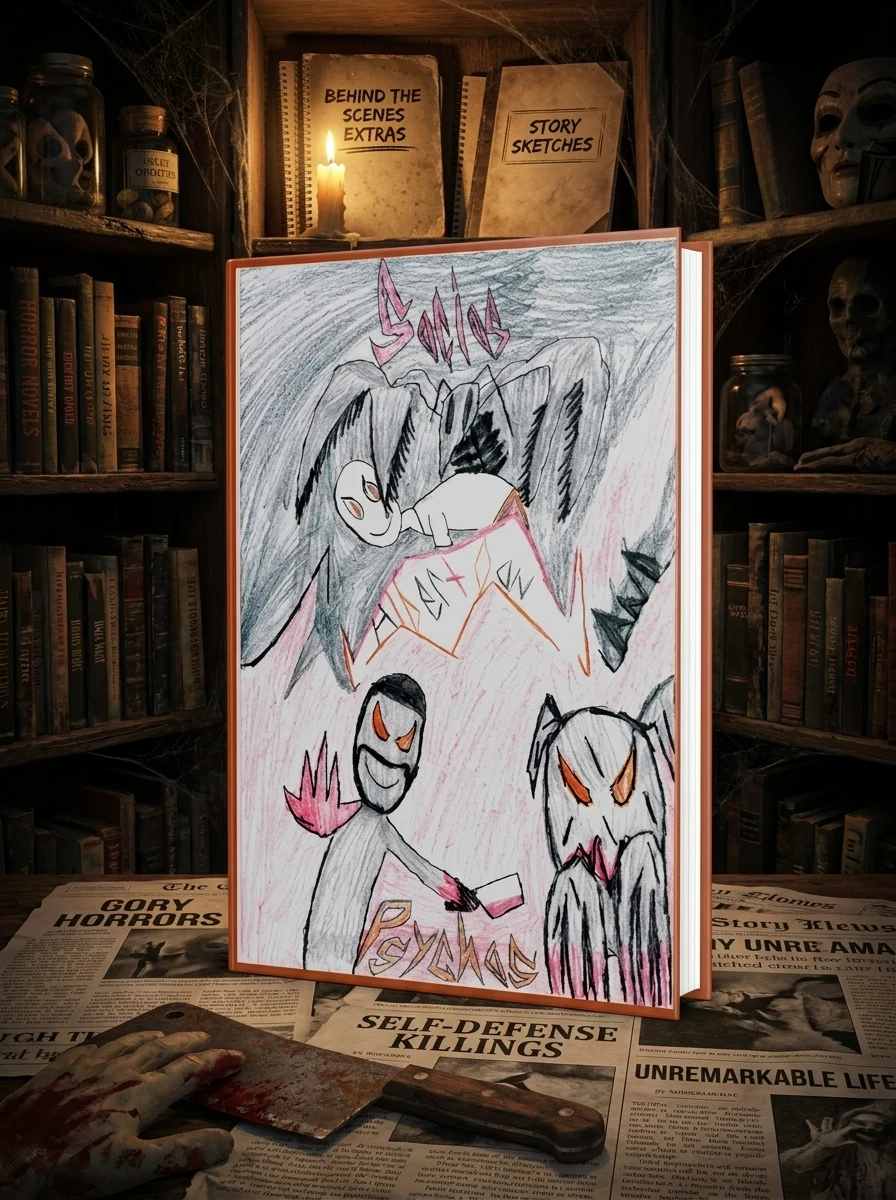
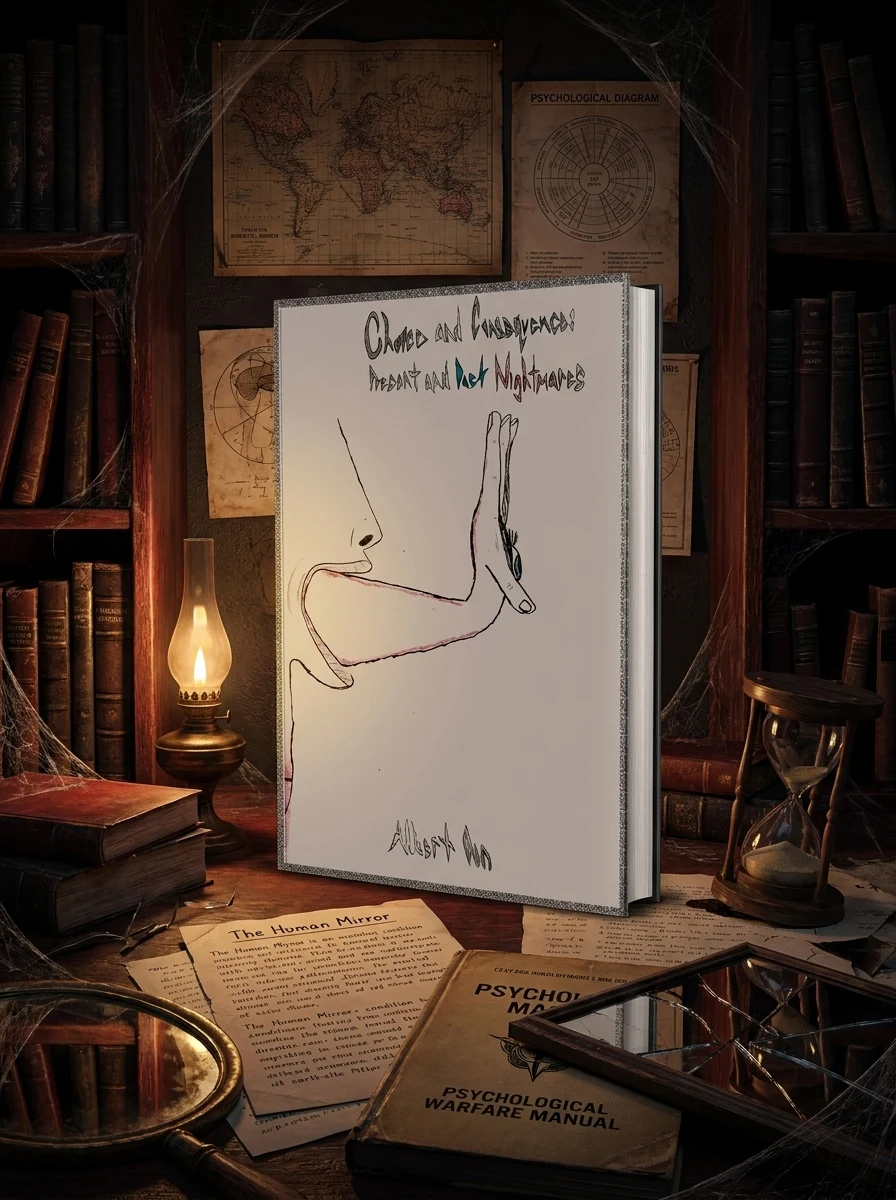
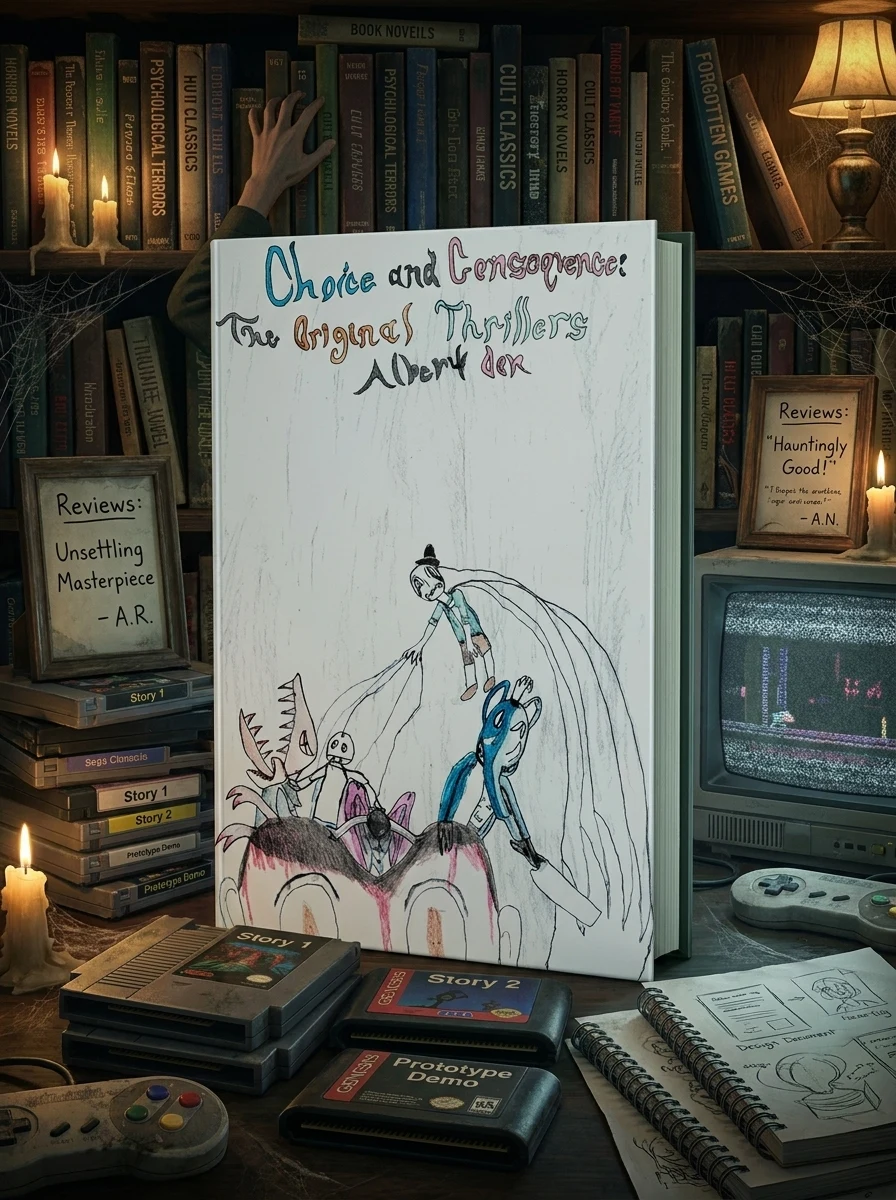
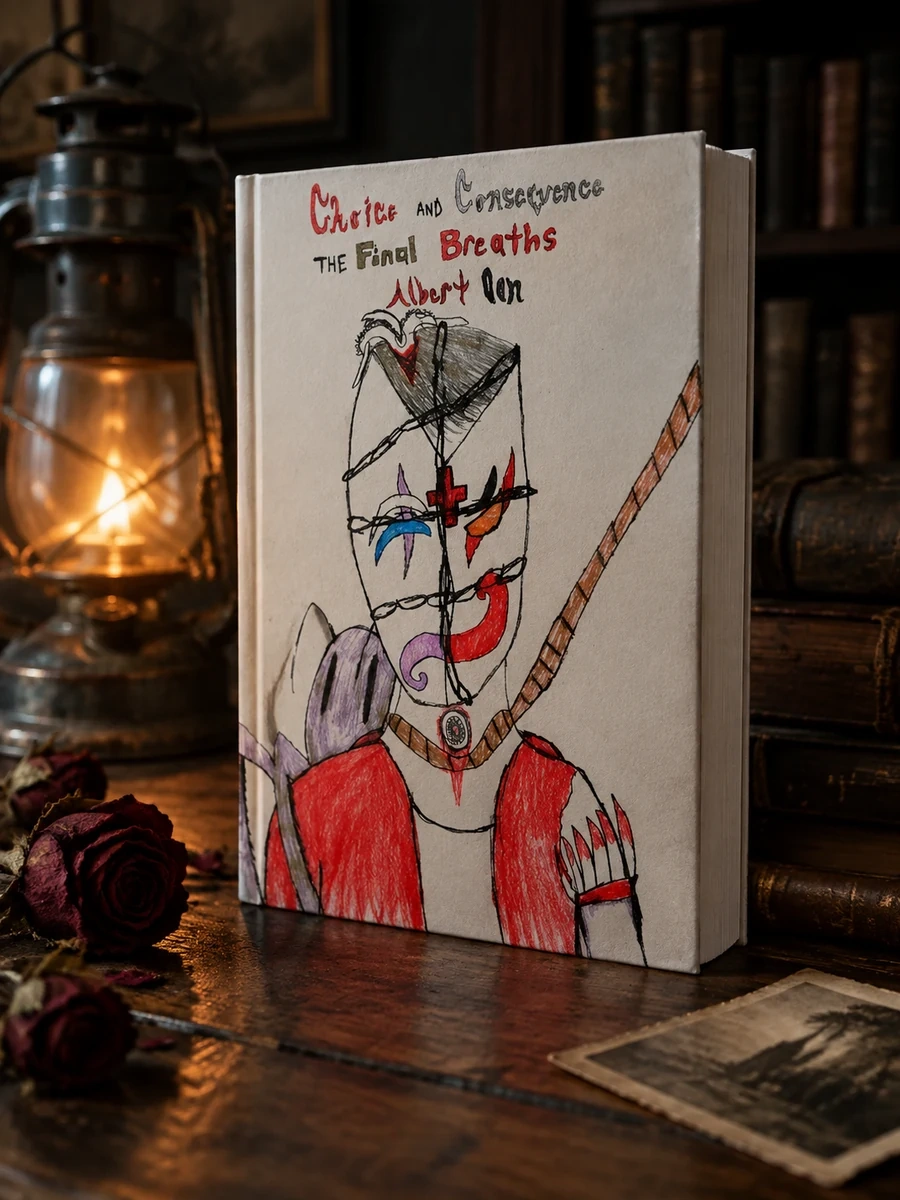
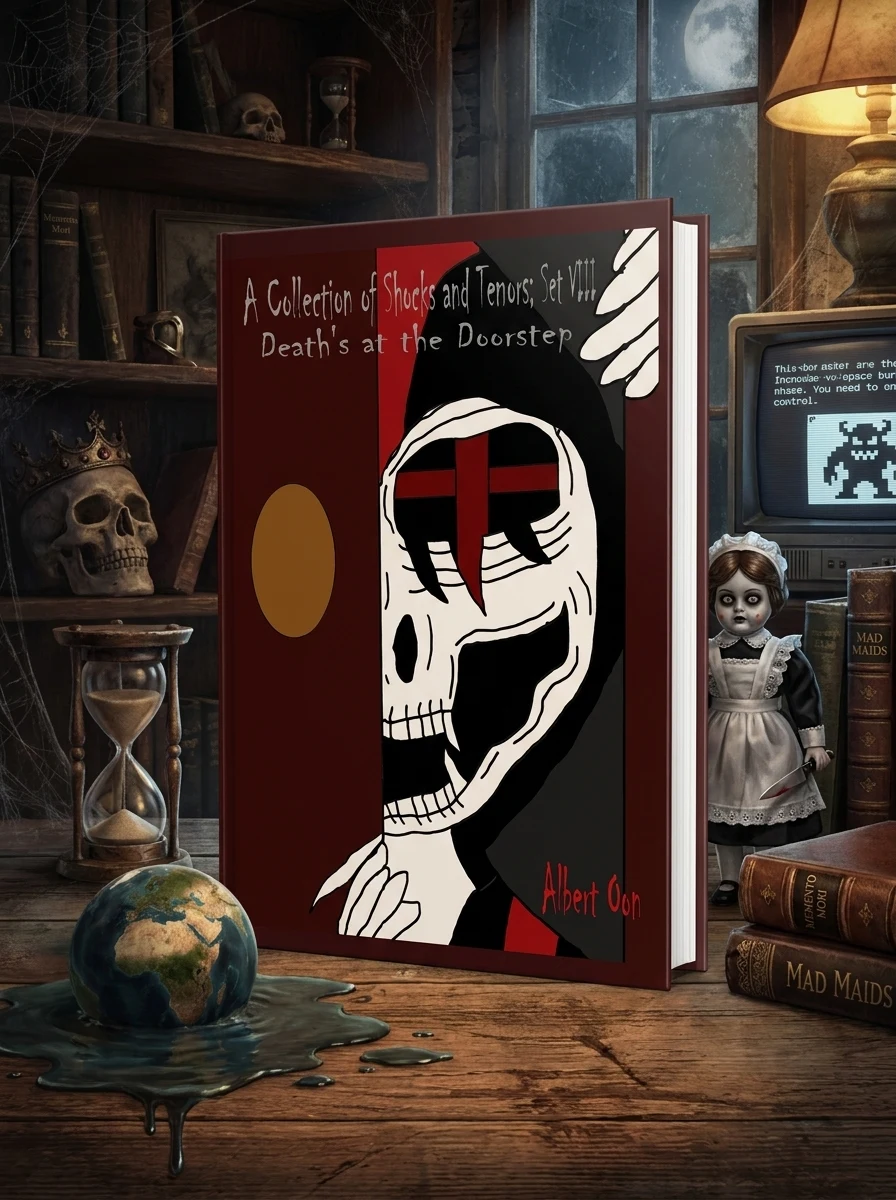
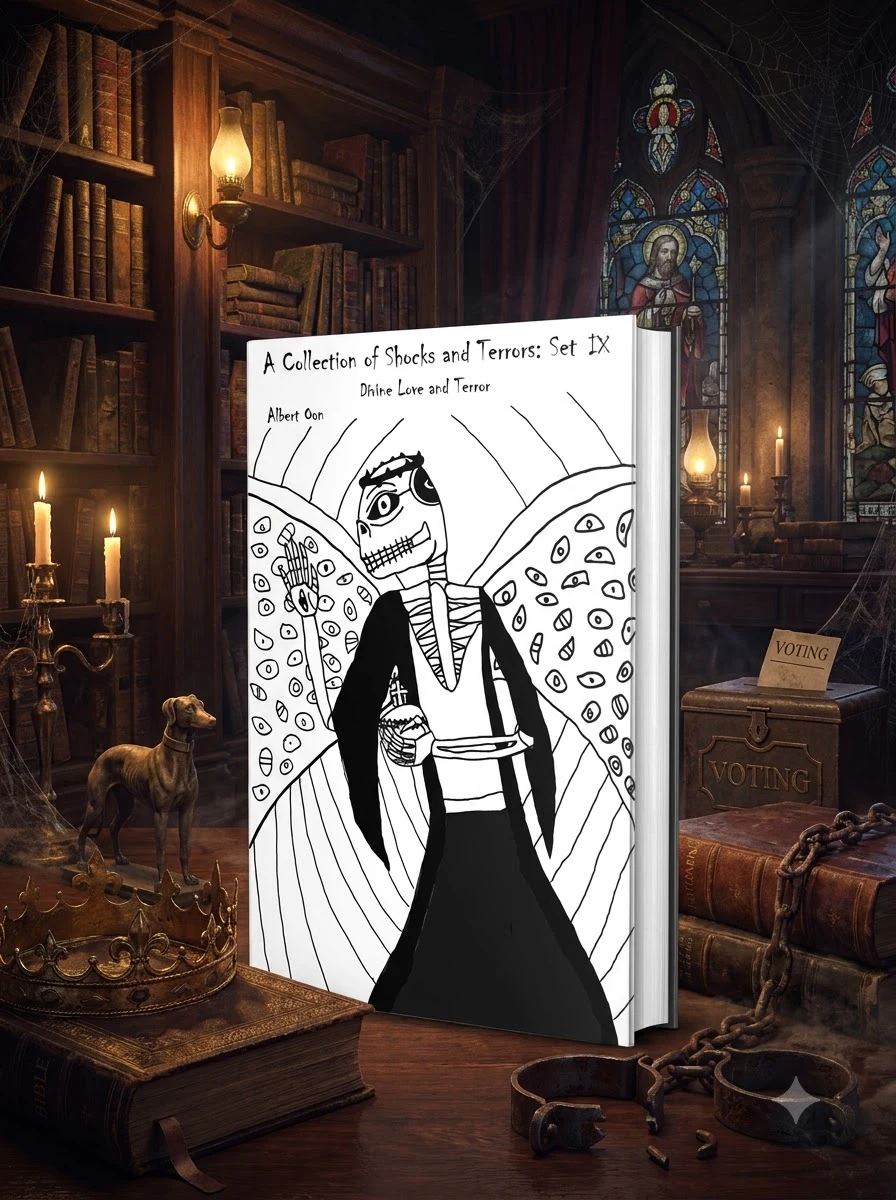
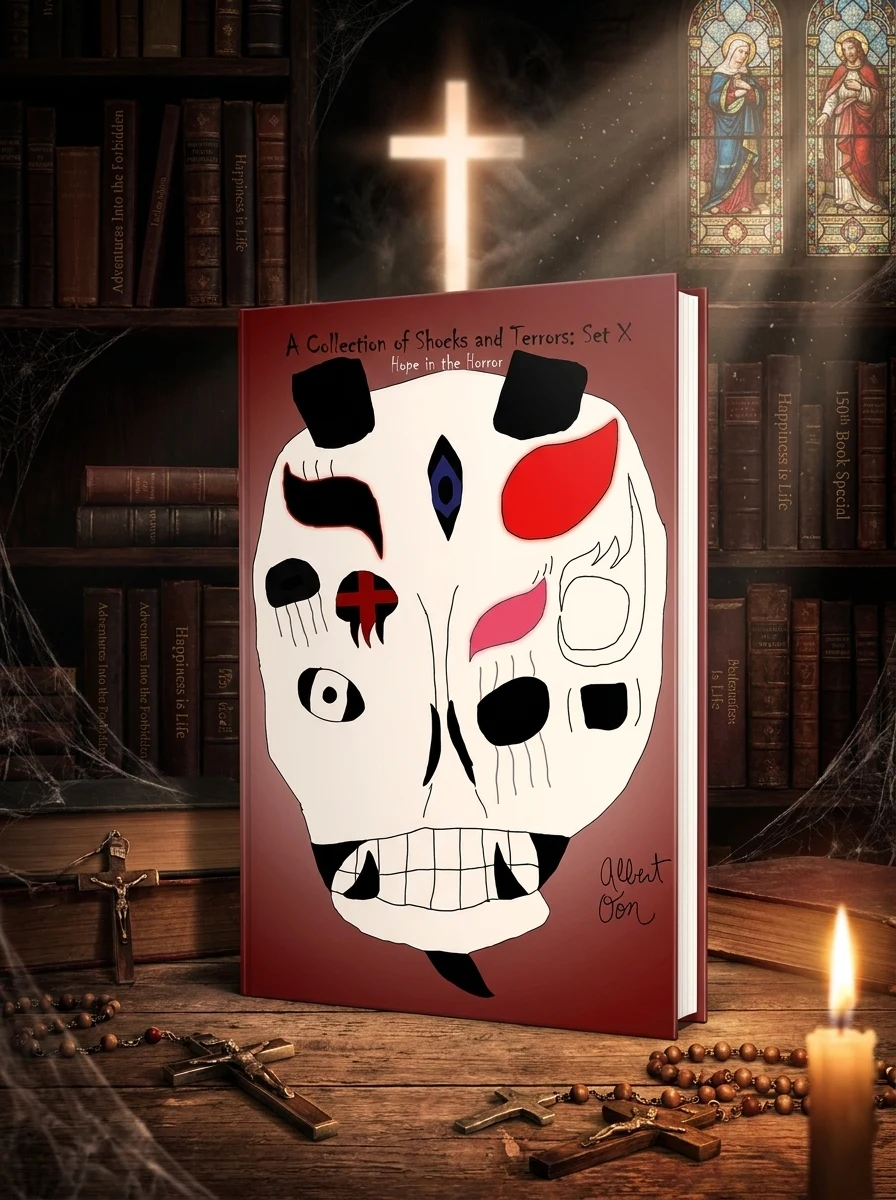
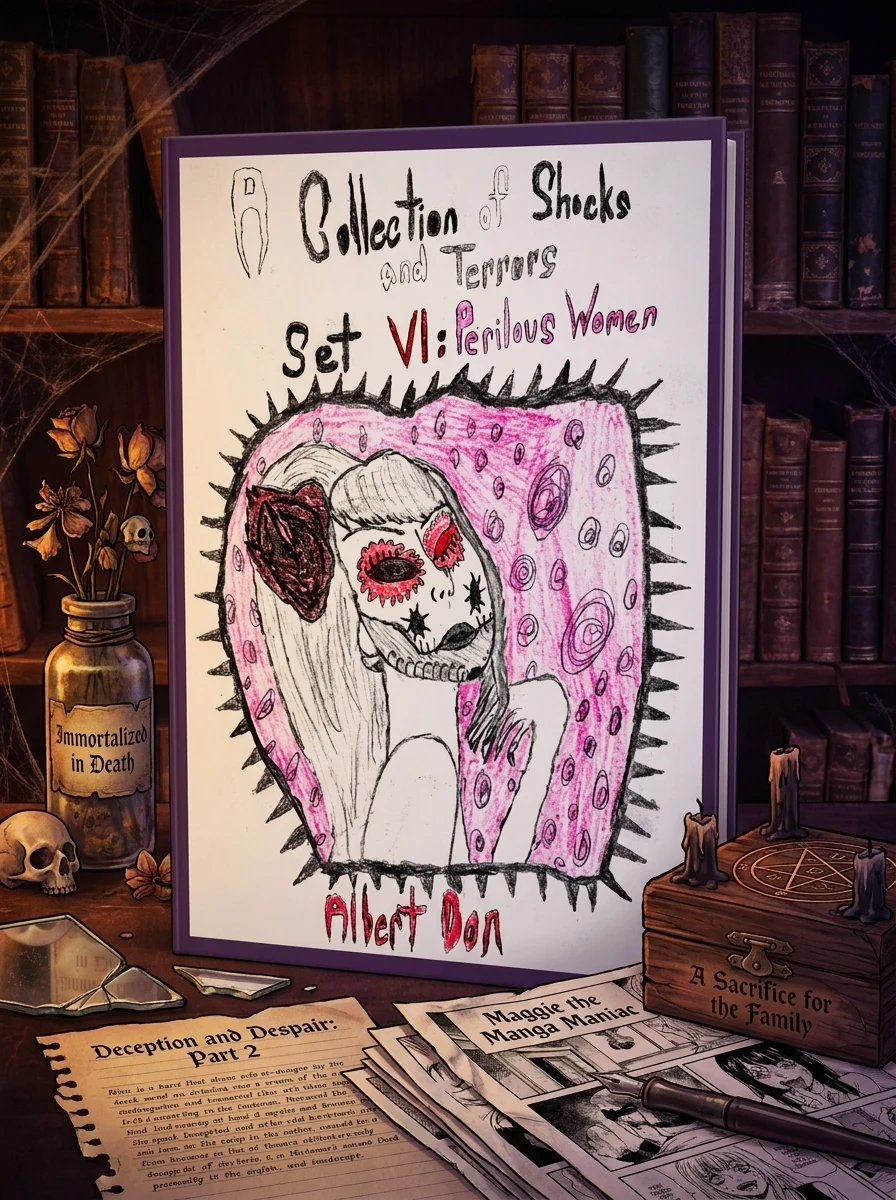
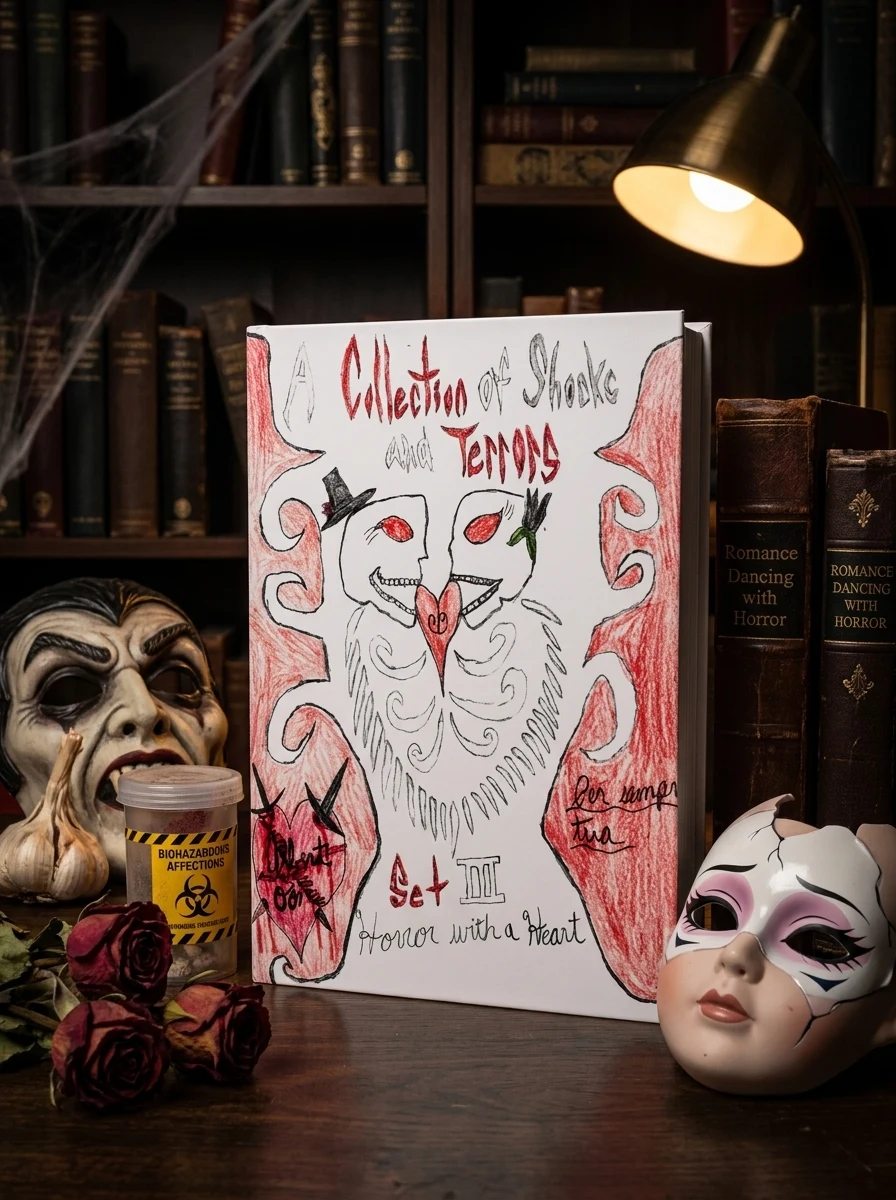
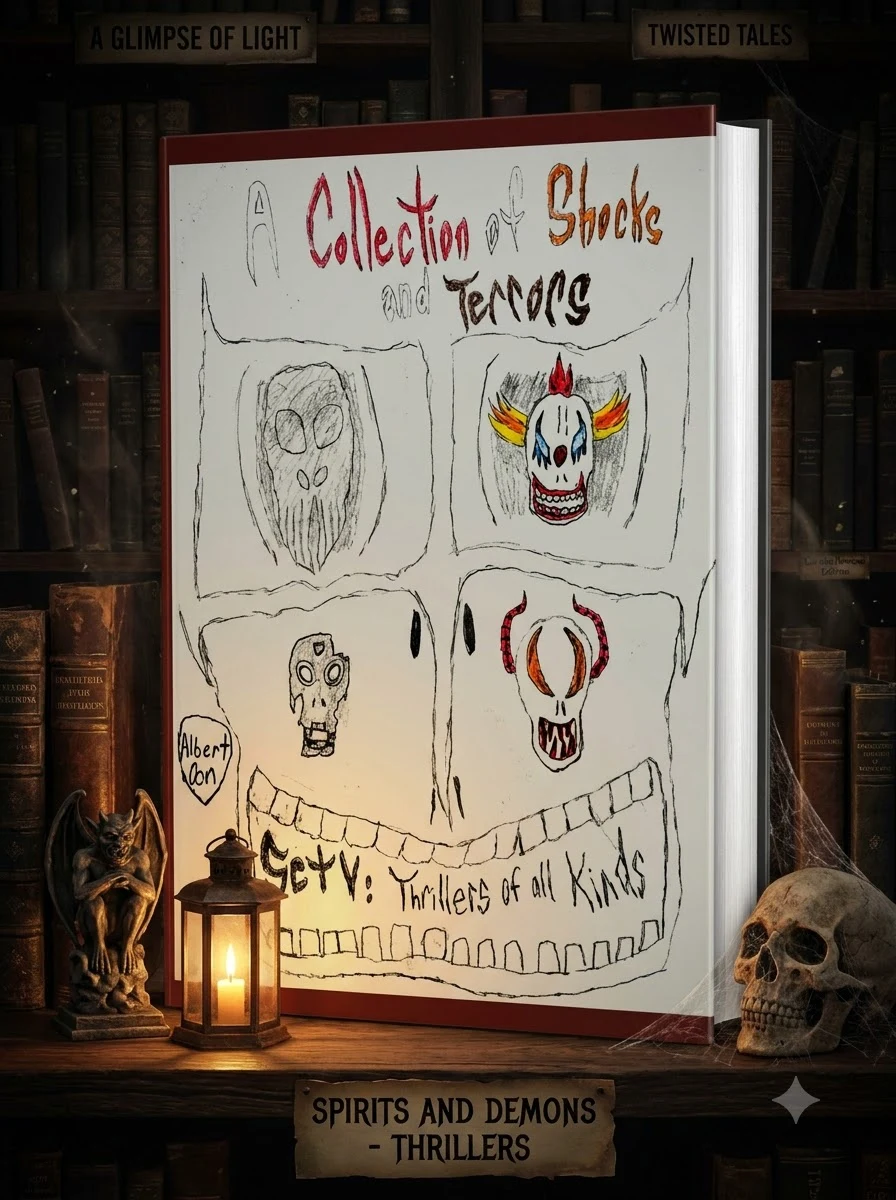
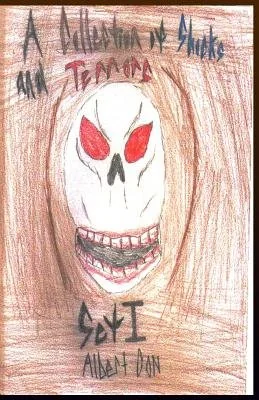
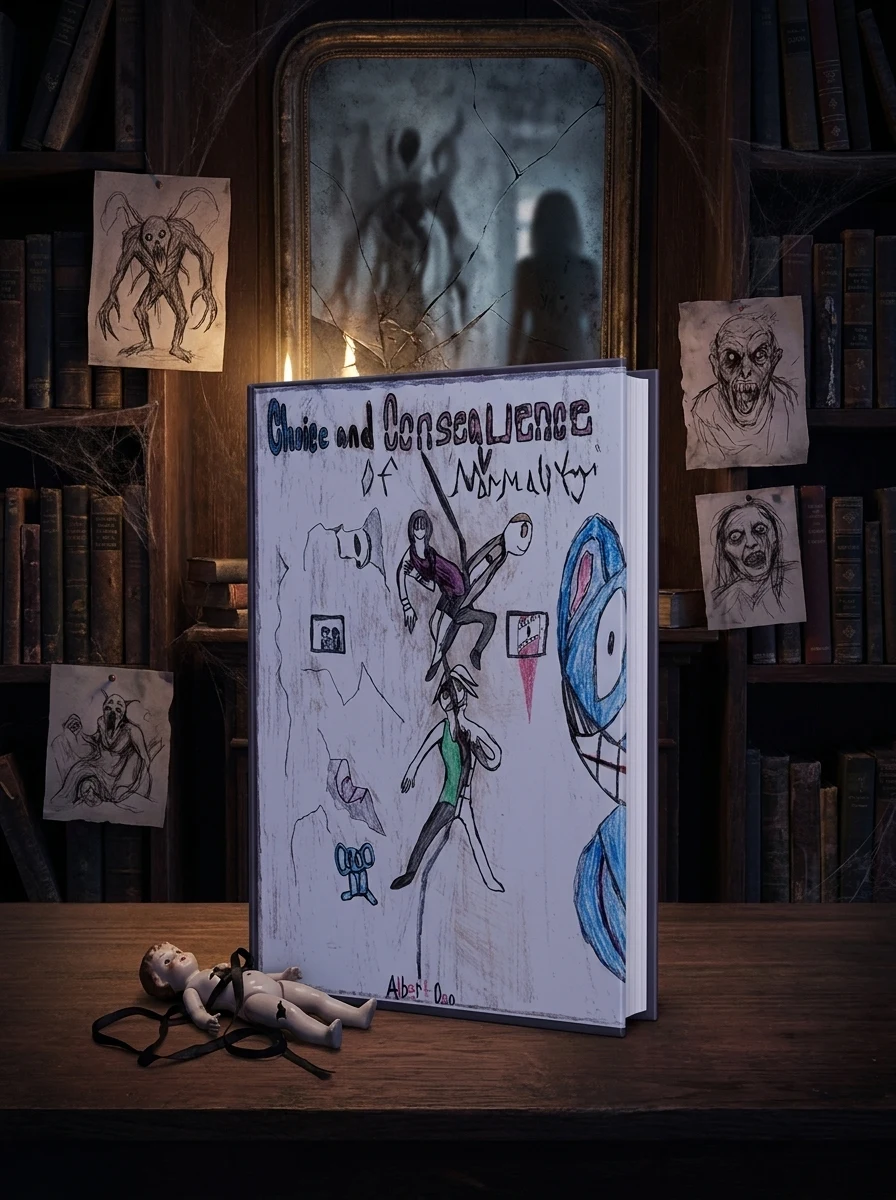
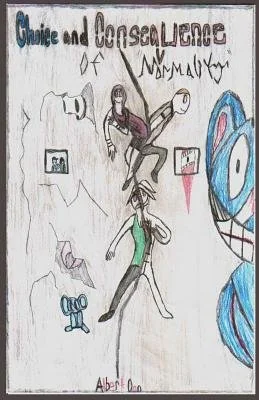
Rose faces nightly attacks from creatures generated by her own psyche. A doppelganger forces her to examine her reflection and question her normality. The narrative explores the boundary between self and monster. Crude illustrations amplify the disturbing tone. Back matter explains the video game origins of the series. It shows the development of early ideas into this published form. The story is a study in internal conflict.
Published in 2017 by Createspace Independent Publishing Platform, this work sits within the independent self-publishing landscape. It draws on video game inspired concepts to structure its narrative and visual presentation, reflecting a modern approach to supernatural fiction that blends interactive media origins with traditional book formats.


📝 Description: Choice and Consequence of "Normality": Black and White Version
💎 Our verdict on Choice and Consequence of "Normality": Black and White Version
📖 Why choose it
Why this book is worth reading
Readers drawn to the intricacies of the human psyche will find this narrative compelling. Those who enjoy horror where the antagonist is not external but born from internal conflict will appreciate Rose’s struggle against her own nature. The integration of crude illustrations offers a unique sensory experience, enhancing the unsettling tone for visual learners. Fans of surrealism and stories that question the definition of normality will engage with the doppelgänger motif. It is ideal for those seeking a tight focus on mental state over traditional plot mechanics.
⭐ Reader reviews
Reader rating
Albert Oon delivers a stark exploration of internal warfare, using Rose’s nightly battles to dissect the fragility of sanity. The book excels in creating unease through the synergy of prose and crude visuals, effectively amplifying the disturbing atmosphere without relying on gore. The narrative’s strength lies in its psychological depth, forcing readers to confront the monsters within ourselves. It suits fans of surreal horror and character-driven dread. Those preferring historical gothic or haunted house tropes may find the focus too abstract. Ultimately, it is a potent study of identity, where survival depends on answering the mirror's persistent question about normality.