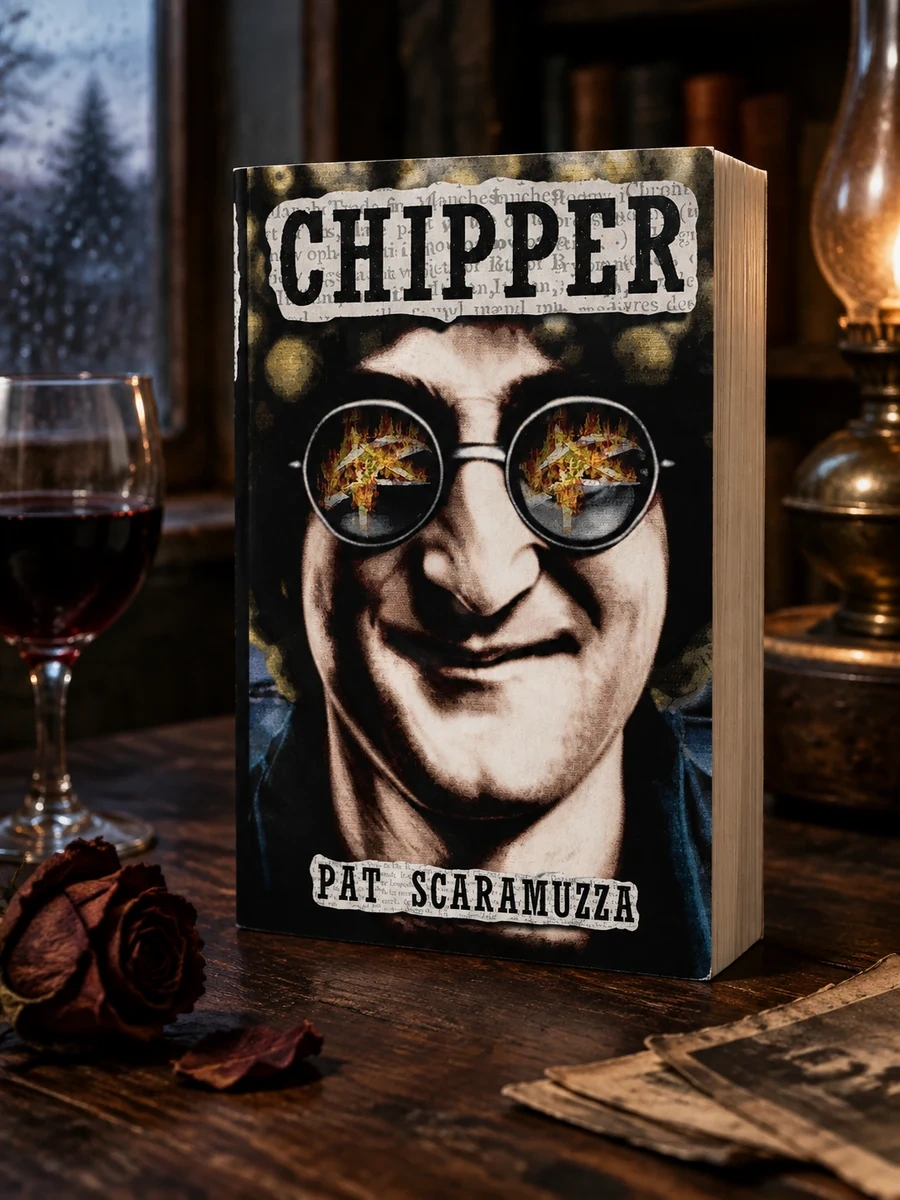
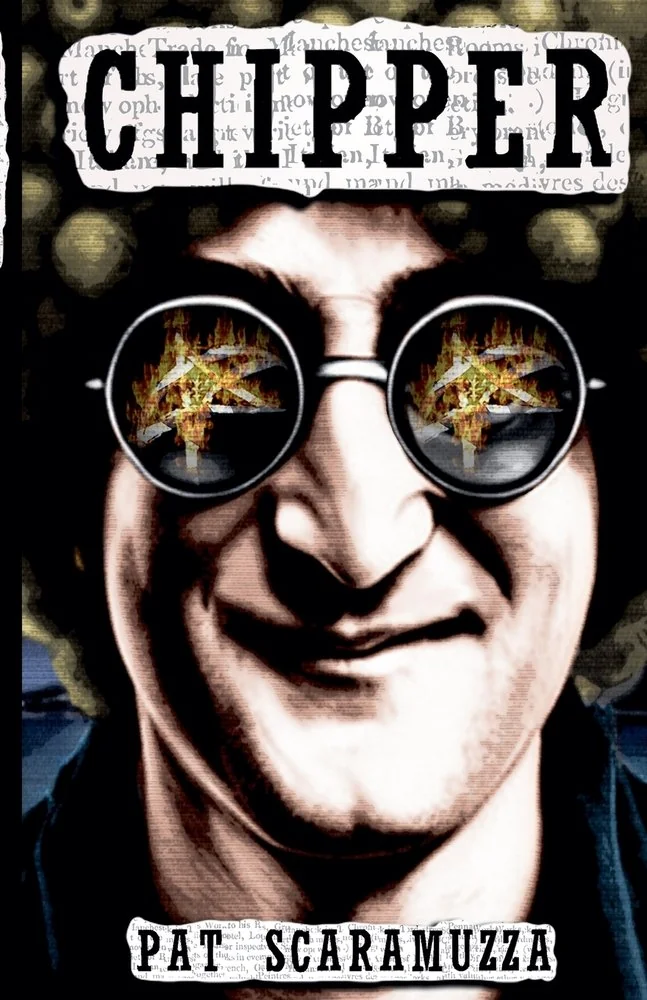
Chipper
A criminology student investigates fish-men and a smiling occult professor at CalState.
Nita Javierez faces unique challenges during her first year at CalState. She must decode riddles involving aquatic humanoids and geometric anomalies that defy standard measurement. Her path crosses with Professor Chipper, an occult studies instructor whose perpetual grin suggests hidden depths. As bodies with carved symbols wash ashore, Nita wonders if Chipper is the culprit or part of a larger summoning ritual. Her primary goal remains securing his approval for her academic advising. The story blends campus life with cosmic dread, focusing on intellectual discovery and creeping horror rather than gore.
Set in a modern American university context at CalState, the book engages with contemporary academic structures while invoking early twentieth-century cosmic horror traditions. It places Lovecraftian elements within a current educational framework, bridging classic supernatural fiction with present-day student experiences.


📝 Description: Chipper
💎 Our verdict on Chipper
📖 Why choose it
Why this book is worth reading
Readers who appreciate the slow-burn tension of intellectual horror will find this narrative compelling. It offers a unique blend of university life and cosmic dread, focusing on geometric anomalies and occult rituals rather than gore. Those interested in criminology or non-Euclidean geometry may enjoy the puzzle-like progression of the plot. The story appeals to fans who prefer atmospheric unease over action, providing a thoughtful exploration of academia intersecting with the supernatural. It is ideal for those seeking a mystery driven by discovery and suspicion rather than physical combat.
⭐ Reader reviews
Reader rating
Scaramuzza crafts a chilling atmosphere where academic ambition collides with cosmic terror. The portrayal of Professor Chipper’s unsettling grin effectively builds psychological dread without relying on explicit violence. By centering the plot on Nita’s desire for approval, the horror becomes personal and insidious. The use of non-Euclidean geometry adds a layer of intellectual complexity that rewards attentive readers. While lacking traditional jump scares, the narrative succeeds in creating a pervasive sense of wrongness. It is best suited for lovers of slow-burn cosmic horror and academic mysteries who value mood and implication over immediate thrills.
You might also like
See more →




Have a question about this item?
Ask about the edition, condition, delivery or anything else — we reply by email or phone, usually within a day.
