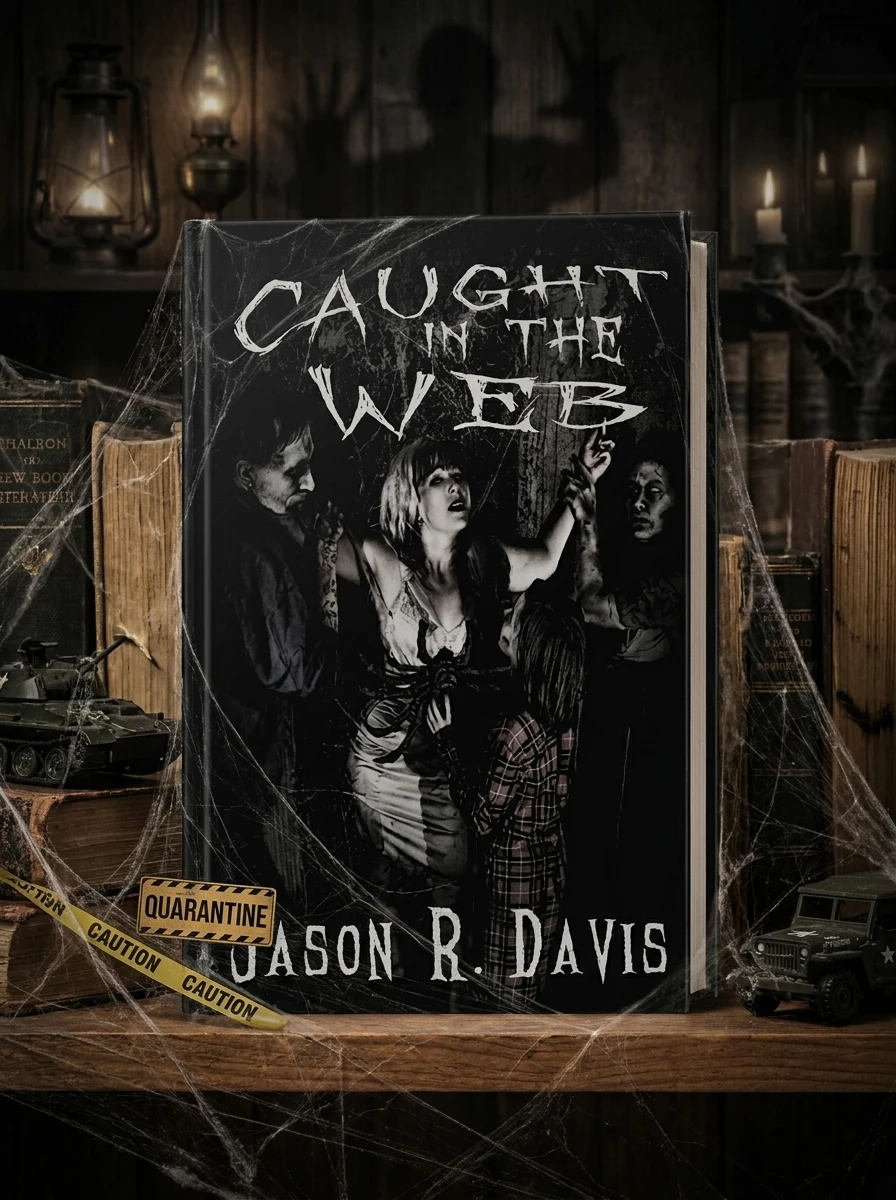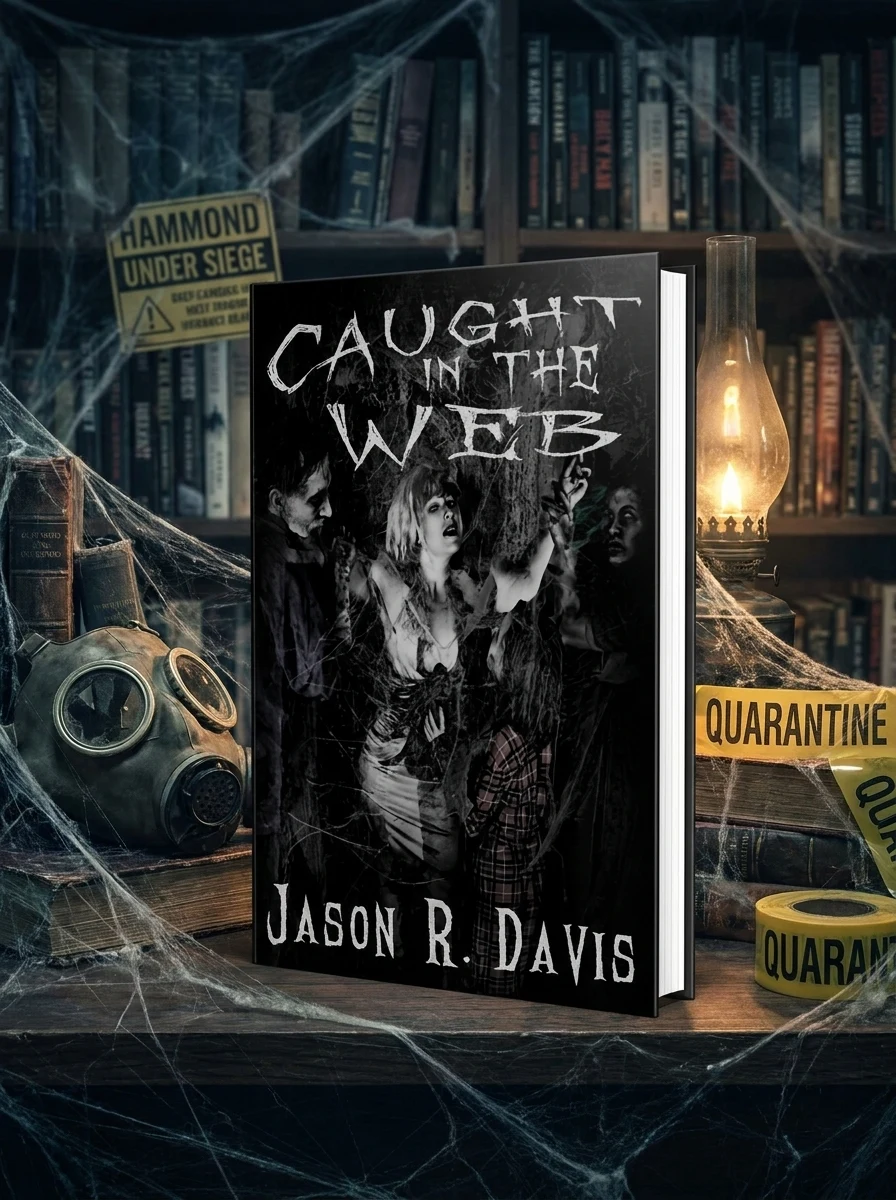
Caught in the Web
A tale of survival in a quarantined town besieged by an unknown threat.
The narrative follows the inhabitants of Hammond as they deal with a sudden quarantine caused by hatched entities. Davis focuses on the confusion and fear of survivors who lack knowledge about their pursuer. The plot drives toward escape, emphasizing the urgency of leaving before it is too late. The story does not provide clarity on what is happening, maintaining a sense of mystery throughout the conflict.
Published in 2015 by Fof Publishing, this book sits within the contemporary horror genre. It draws on traditions of gothic fiction and supernatural suspense to create a sense of dread. The work reflects early twenty-first century interests in ambiguous threats and isolated community dynamics.


📝 Description: Caught in the Web
💎 Our verdict on Caught in the Web
📖 Why choose it
Why this book is worth reading
This book is ideal for readers who prefer psychological tension and atmospheric horror over detailed explanations of supernatural phenomena. Those who enjoy stories where the fear stems from the unknown and the urgency of survival will find this narrative compelling. It appeals to fans of gothic themes and isolation, offering a tense experience without relying on extensive lore or clear resolutions. If you appreciate narratives that maintain mystery and focus on the immediate struggle against an ambiguous threat, this work provides a gripping exploration of ignorance versus survival in a quarantined setting.
⭐ Reader reviews
Reader rating
Davis effectively cultivates a sense of pervasive dread through the lens of quarantine and unknown entities. The narrative succeeds in maintaining ambiguity, forcing readers to sit with the discomfort of not knowing what they are facing. While it may frustrate those seeking concrete answers or detailed world-building, it excels in delivering immediate tension and psychological impact. This is a strong choice for enthusiasts of cosmic horror who value atmosphere and survival urgency over exposition. The lack of clarity serves the tone rather than detracting from it.