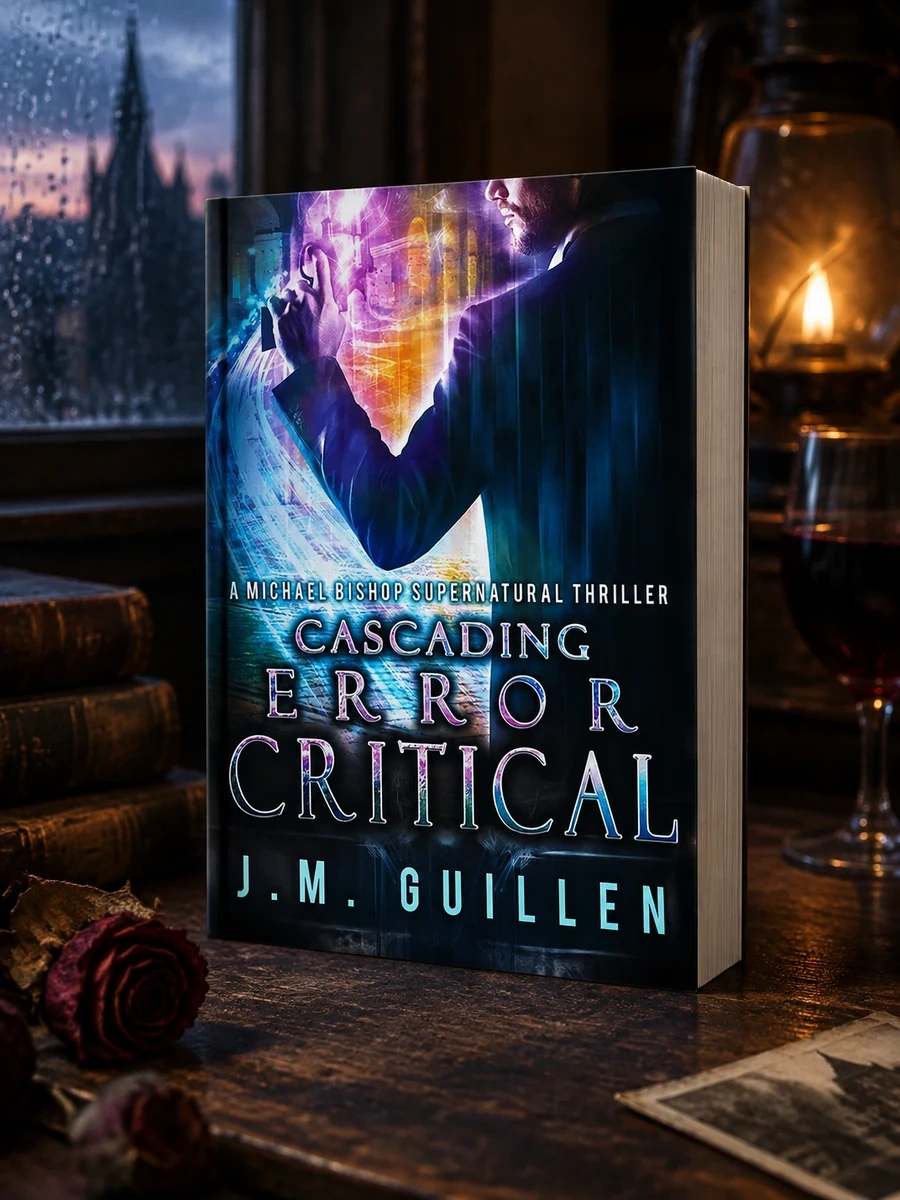
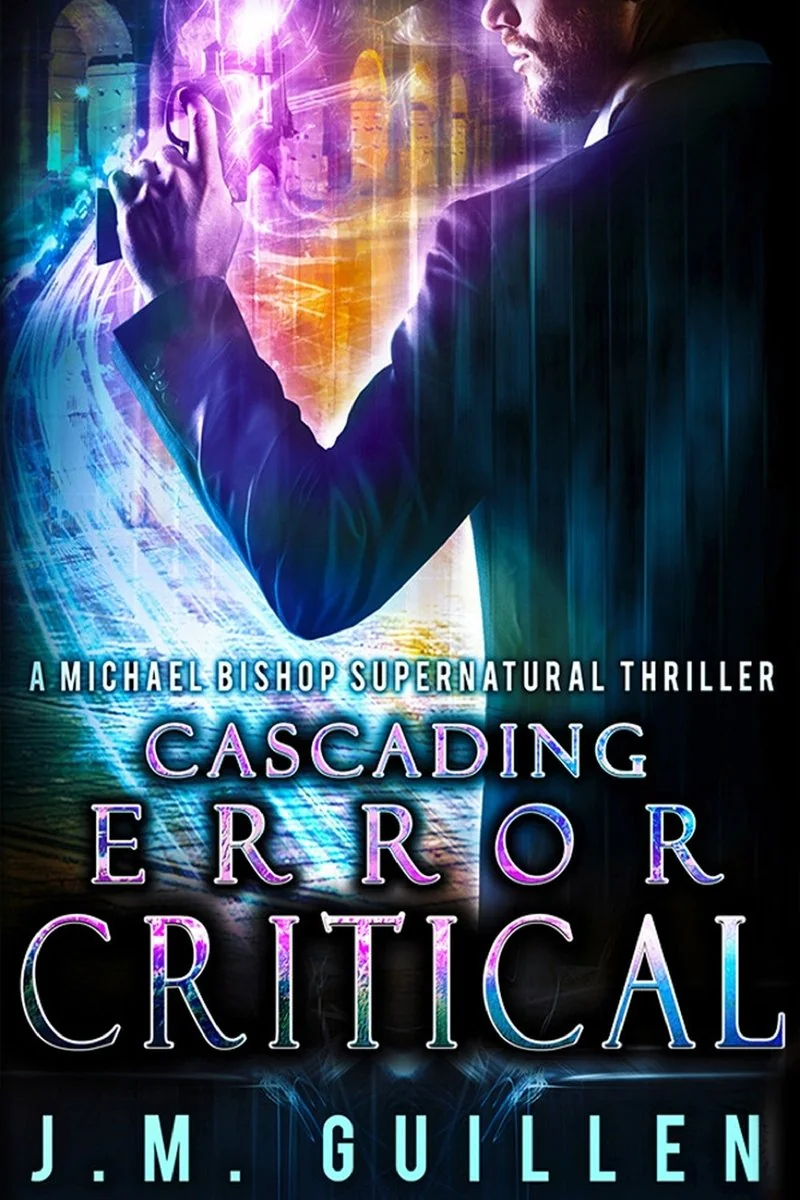
Cascading Error: Critical
Michael Bishop chases a fugitive through Istanbul's supernatural rifts in this fourth dossier installment.
Guillen continues the saga by focusing on Michael Bishop’s hunt for Amir Cadavas in Istanbul. The pursuit leads to a cult and a dimensional rift crawling with non-existent things. A voyage through the Maelstrom raises the stakes, as old injuries resurface while new terrors emerge. The story examines how past failures influence present dangers. It combines elements of espionage with cosmic horror traditions. The narrative structure follows Bishop’s investigation rather than a linear quest. This approach allows for deeper exploration of the Facility’s objectives and the nature of the Irrational threat. The tone remains tense and atmospheric throughout.
This novel sits within the contemporary US speculative fiction market, specifically targeting readers of modern cosmic horror and supernatural espionage. It draws on the tradition of universe-spanning sagas that blend genre elements to create a unique narrative experience.


📝 Description: Cascading Error: Critical
💎 Our verdict on Cascading Error: Critical
📖 Why choose it
Why this book is worth reading
Readers who appreciate complex plots involving supernatural threats and high-stakes tracking will find this work engaging. It appeals to those seeking universe-spanning sagas that prioritize atmospheric dread over conventional resolution. Those interested in how past failures influence present dangers within a framework of cosmic horror will gain satisfaction from the deep exploration of the Irrational threat. The book is ideal for fans who enjoy non-linear narratives that allow for a deeper understanding of institutional objectives and metaphysical layers rather than straightforward action.
⭐ Reader reviews
Reader rating
Jm Guillen delivers a tense, atmospheric entry that successfully blends cosmic horror with espionage thriller elements. The narrative structure follows Michael Bishop’s investigation in Istanbul, allowing for a deeper exploration of the Facility’s objectives and the nature of the Irrational threat. By focusing on how past failures influence present dangers, the story examines old injuries resurfacing amidst new terrors. The tone remains consistently intense as entities defy natural law. This installment is best suited for readers who enjoy complex plots and atmospheric dread over conventional resolution, offering a genre-bending experience that prioritizes metaphysical layers and high-stakes tracking.