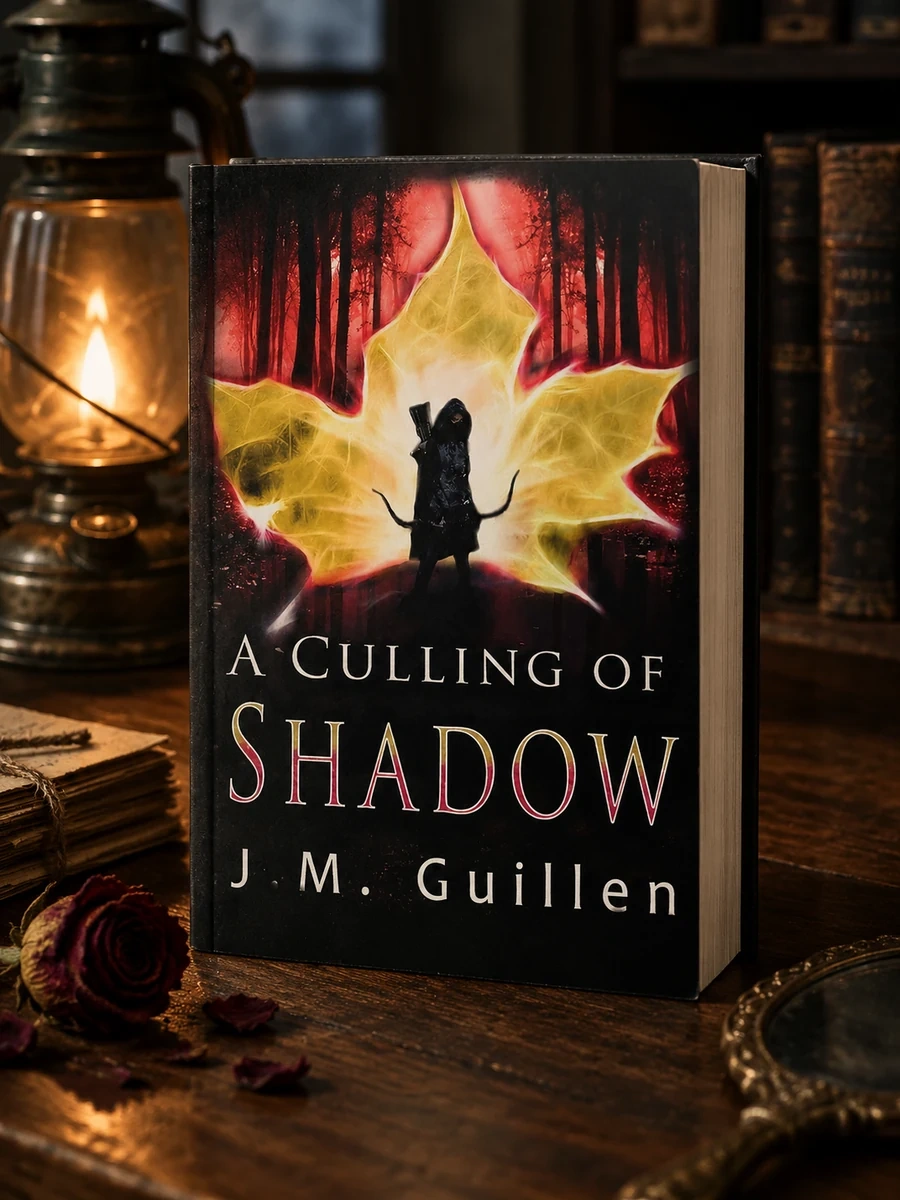
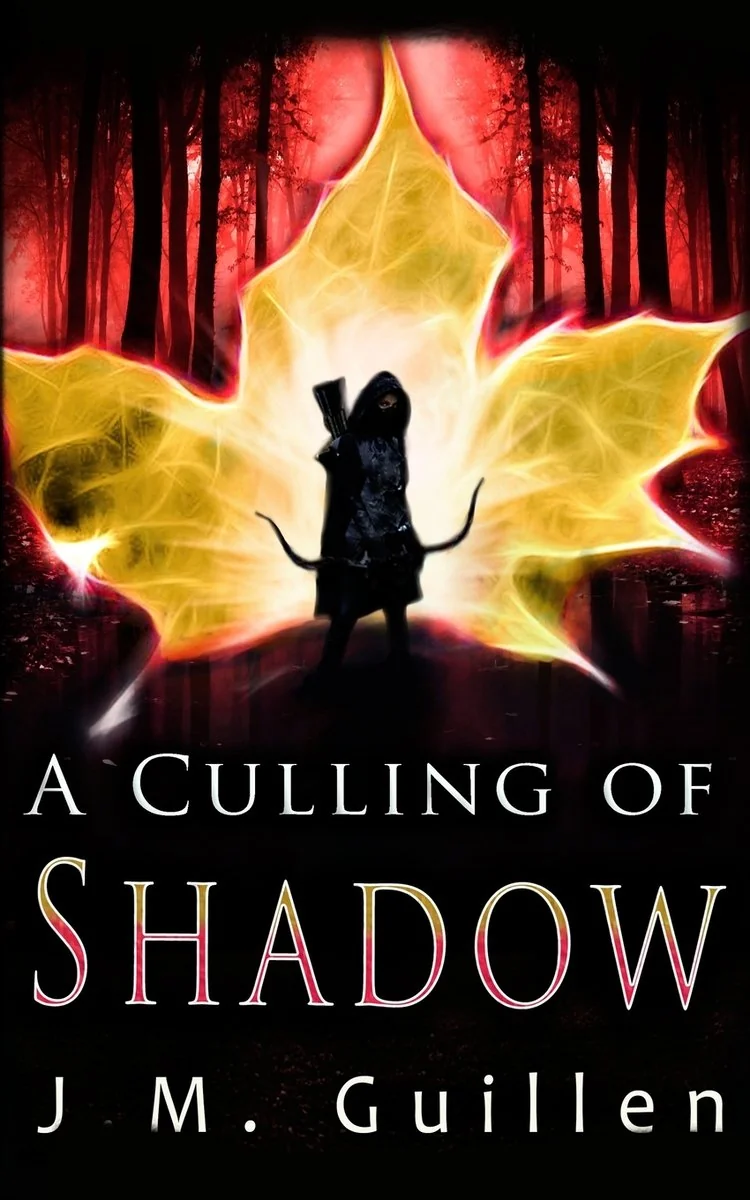
A Culling of Shadow
A dark folklore fantasy about a guardian hunting a sorcerer before Samhain.
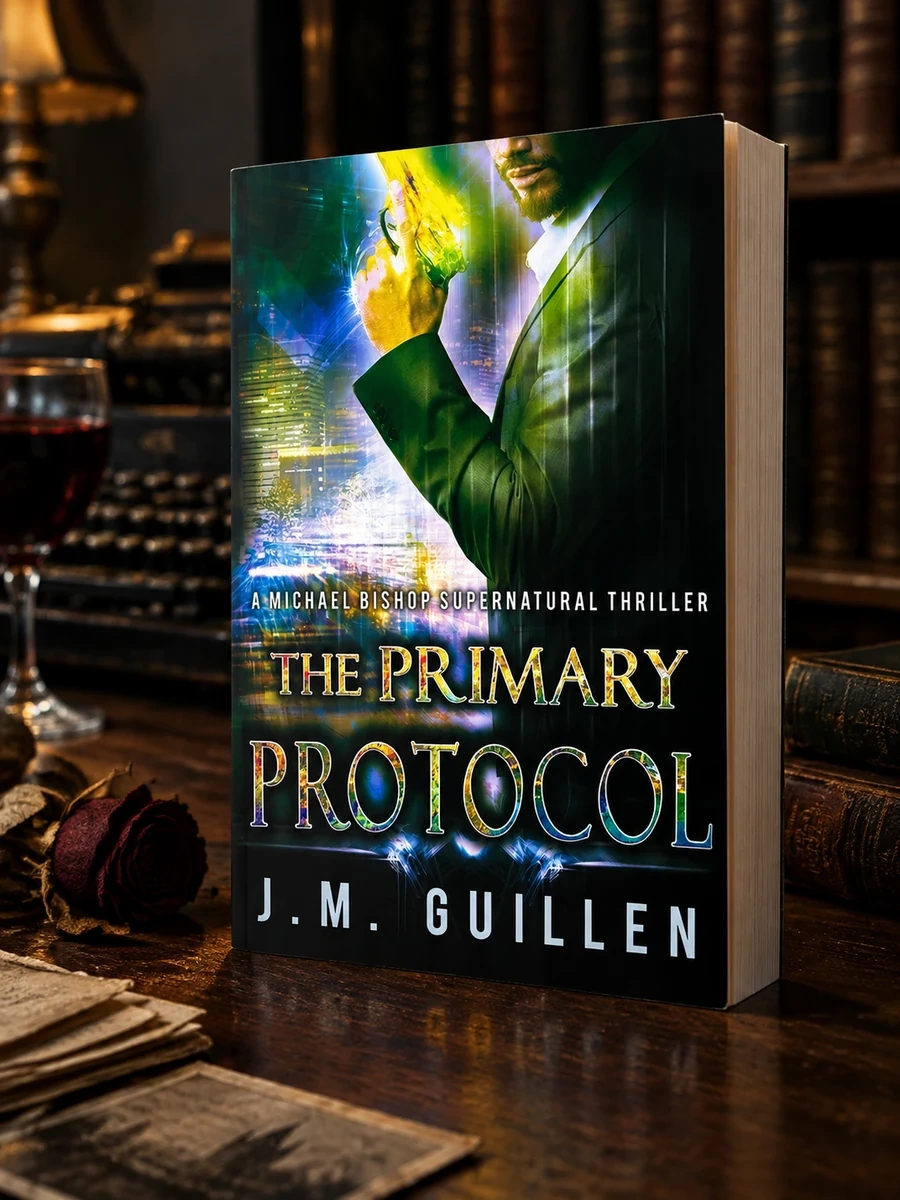
Tommy Maple tracks Ryker Carrows in Unterfels as Samhain nears. Old debts and loves resurface during this pursuit. The Herald protects the fair-folke of the Thorned Hedge from madness-inducing horrors. Guillen writes a wry narrative steeped in traditional folklore. The story examines what one will sacrifice for loved ones. It fits readers who like fantasy mixed with horror elements.
The book sits within the Irrational Worlds saga, blending fantasy and horror genres. It draws on folklore traditions, specifically referencing the fair-folke and Samhain night. The setting includes Unterfels and the steads, grounding the supernatural events in a specific, haunted landscape.


📝 Description: A Culling of Shadow
💎 Our verdict on A Culling of Shadow
📖 Why choose it
Why this book is worth reading
This book offers a compelling blend of fantasy and horror for readers who appreciate wry, atmospheric narratives steeped in traditional folklore. Those interested in the complex moral choices inherent in supernatural conflict will find depth in Tommy Maple’s journey as he confronts past debts and resurfacing loves. The story examines the heavy cost of protection and sacrifice, appealing to fans of dark, haunted settings where sanity is constantly threatened. It suits readers seeking a genre-blending experience that moves beyond light-hearted adventure into darker, more introspective territory. If you enjoy tales where guardianship involves binding oaths and fae riddles, this entry in the saga provides a rich, immersive exploration of what one must endure to safeguard others from madness-inducing horrors.
⭐ Reader reviews
Reader rating
Guillen delivers a wry, atmospheric tale that effectively merges dark fantasy with psychological horror. The narrative excels in its depiction of Tommy Maple’s internal and external struggles as he tracks Ryker Carrows toward the critical threshold of Samhain night. The prose captures the weight of old debts and the fragility of human connections against a backdrop of fae riddles and sanity-threatening horrors. This work is best suited for readers who enjoy supernatural conflicts grounded in folklore rather than traditional high fantasy. It avoids light-hearted tones, offering instead a complex moral framework where protection comes at a steep price. The genre-blending approach creates a unique reading experience, appealing to those who appreciate haunted settings and the intricate dynamics between guardians and the fair-folke they serve.