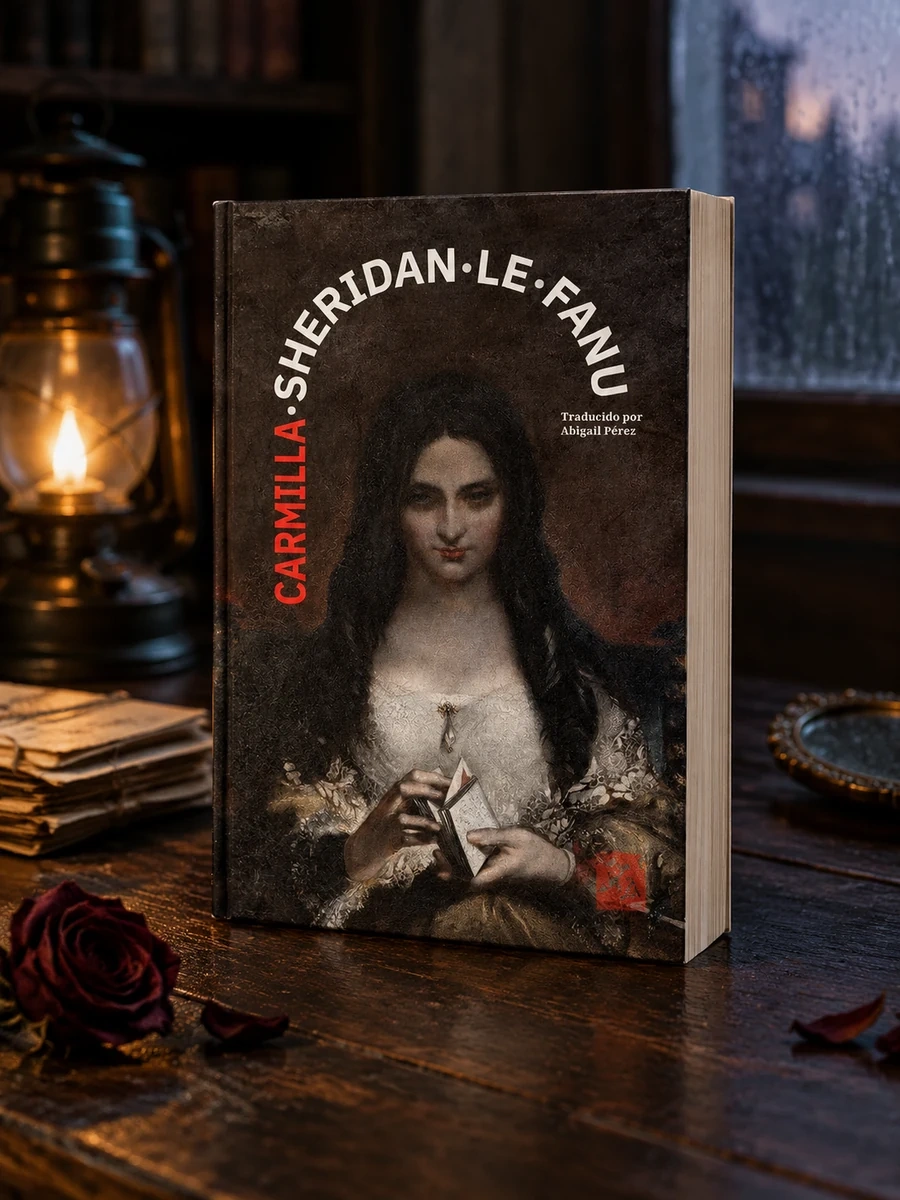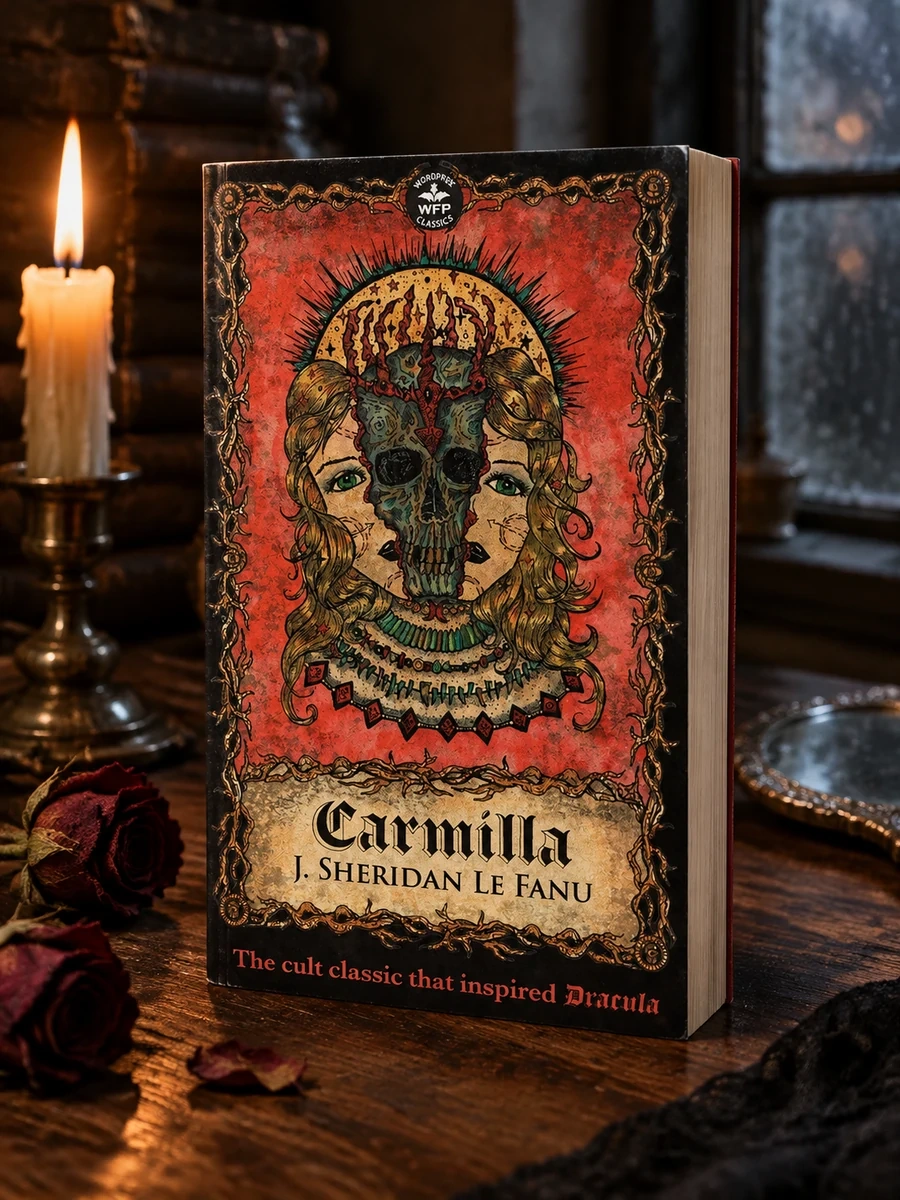

Carmilla
A Gothic novella about a young woman preyed upon by a female vampire in nineteenth-century Europe.
This edition offers a direct look at Le Fanu’s 1872 narrative, which was initially released as a serial. The plot follows the protagonist’s gradual realization that her companion Carmilla is actually Mircalla, Countess Karnstein. The story highlights the predator’s ability to bypass physical barriers and her selective emotional attachments to her chosen victims. Le Fanu uses this framework to critique the rigid religious and sexual norms of his time. The text serves as a precursor to later vampire stories, particularly influencing Stoker’s work. Readers will encounter a tale where horror stems from psychological manipulation and metaphysical dread rather than mere physical threat. The narrative structure allows for a slow buildup of tension as the protagonist succumbs to the vampire’s influence.
Le Fanu wrote this work in Ireland during the nineteenth century. It reflects the strict sexual mores and tangible religious fears prevalent in that culture. The novella emerged as a serial before becoming a standalone book, influencing later vampire fiction like Dracula.


📝 Description: Carmilla
💎 Our verdict on Carmilla
📖 Why choose it
Why this book is worth reading
Readers interested in the evolution of supernatural fiction and early Gothic literature will find this novella essential for understanding the genre’s roots. It is particularly suited for those who appreciate complex character dynamics and psychological manipulation over simple monster tales. The narrative offers a unique exploration of romantic desire and metaphysical dread, appealing to audiences who enjoy slow-building tension and atmospheric horror. Those seeking to understand the lineage of vampire stories before the fame of male counterparts will gain significant insight. It provides a deep dive into psychological horror that stems from emotional attachment and selective predation rather than mere physical threat.
⭐ Reader reviews
Reader rating
Le Fanu crafts a masterful tale where horror stems from psychological manipulation and metaphysical dread rather than simple physical threats. The narrative structure allows for a slow, effective buildup of tension as the protagonist succumbs to the vampire’s influence. Carmilla exhibits classic nocturnal habits yet retains the ability to bypass physical barriers, creating an unsettling sense of vulnerability. The text highlights the predator’s selective emotional attachments, distinguishing it from generic monster stories. It suits readers who appreciate complex dynamics within horror settings and those interested in the critique of nineteenth-century religious and sexual norms. This work remains a vital study in Gothic literature for its enduring influence on subsequent vampire fiction.