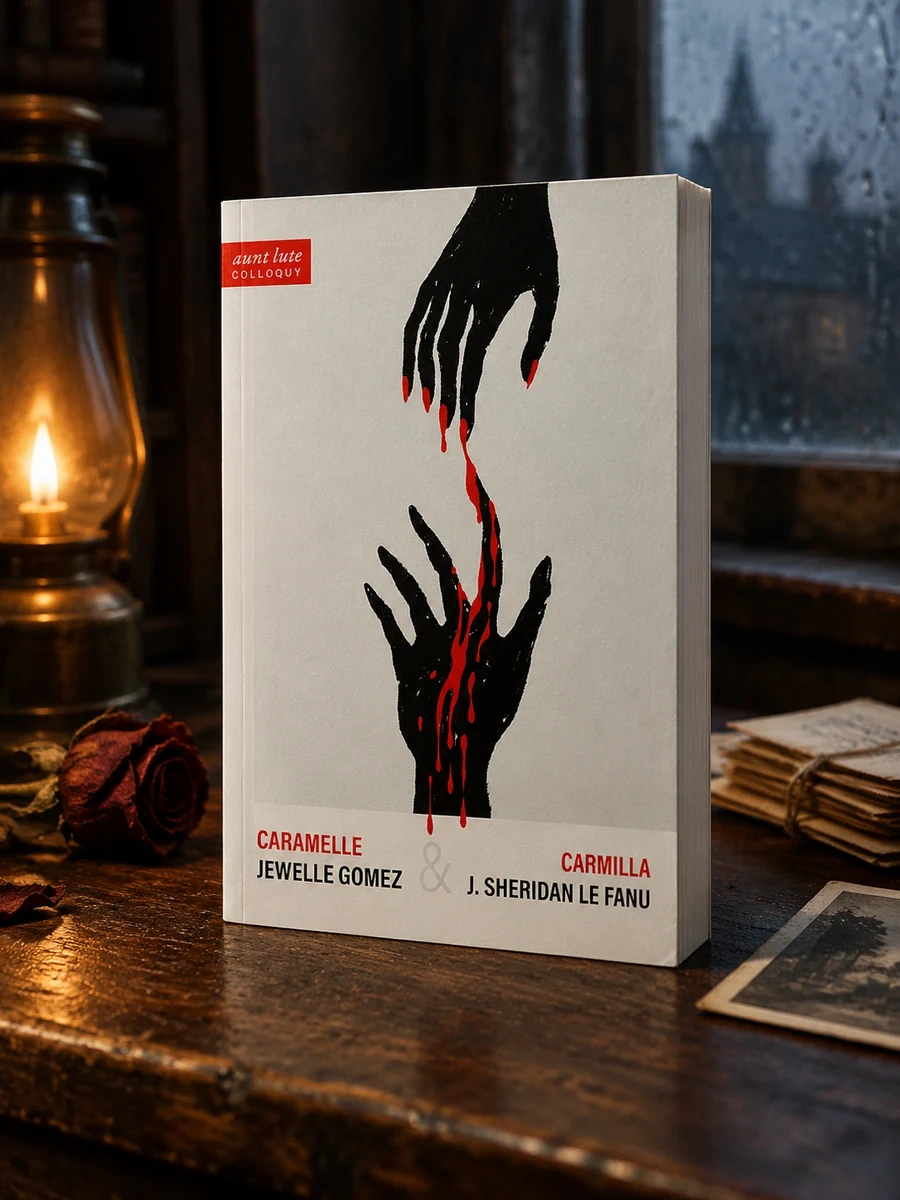
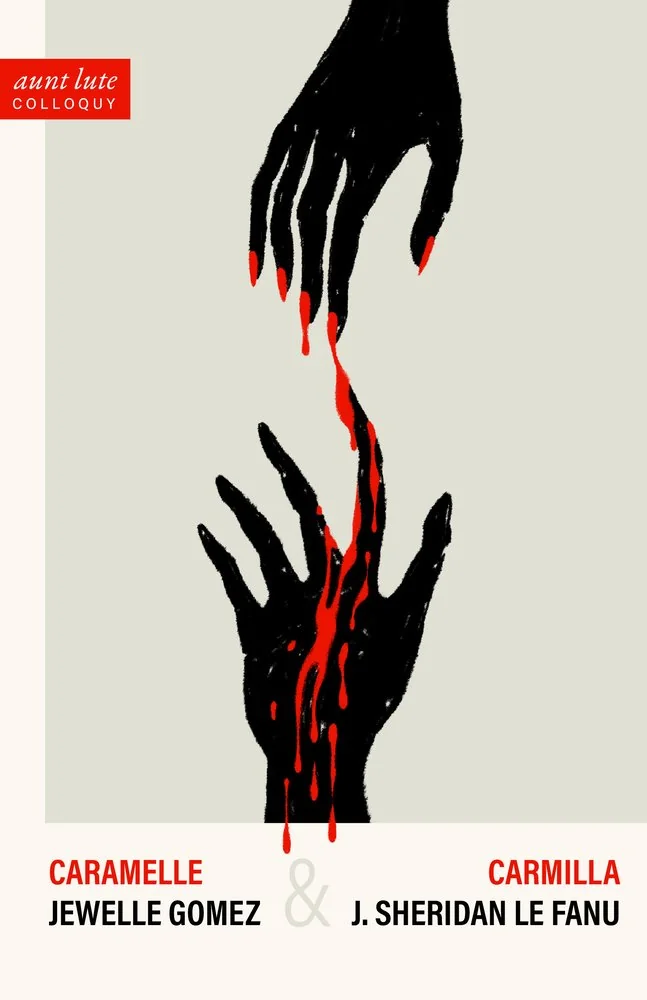
Caramelle & Carmilla
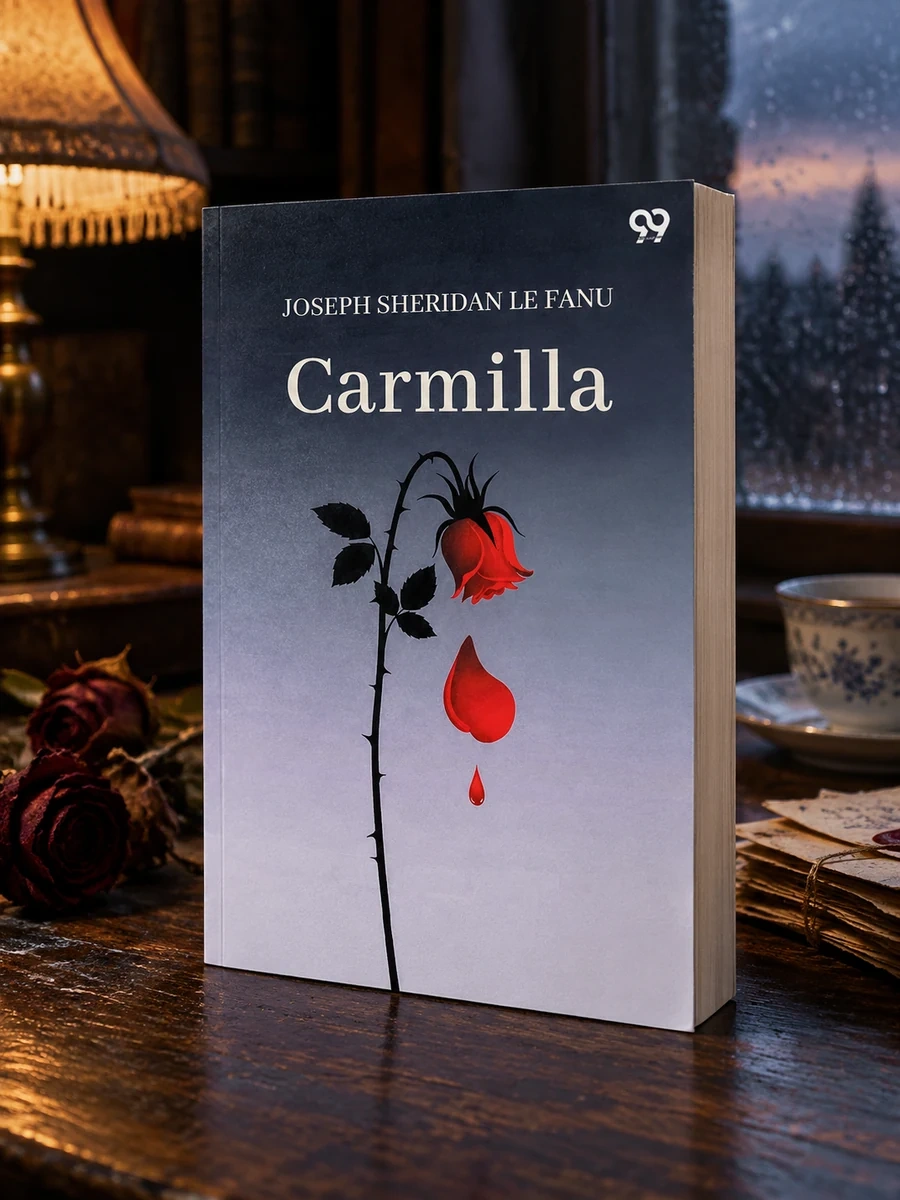
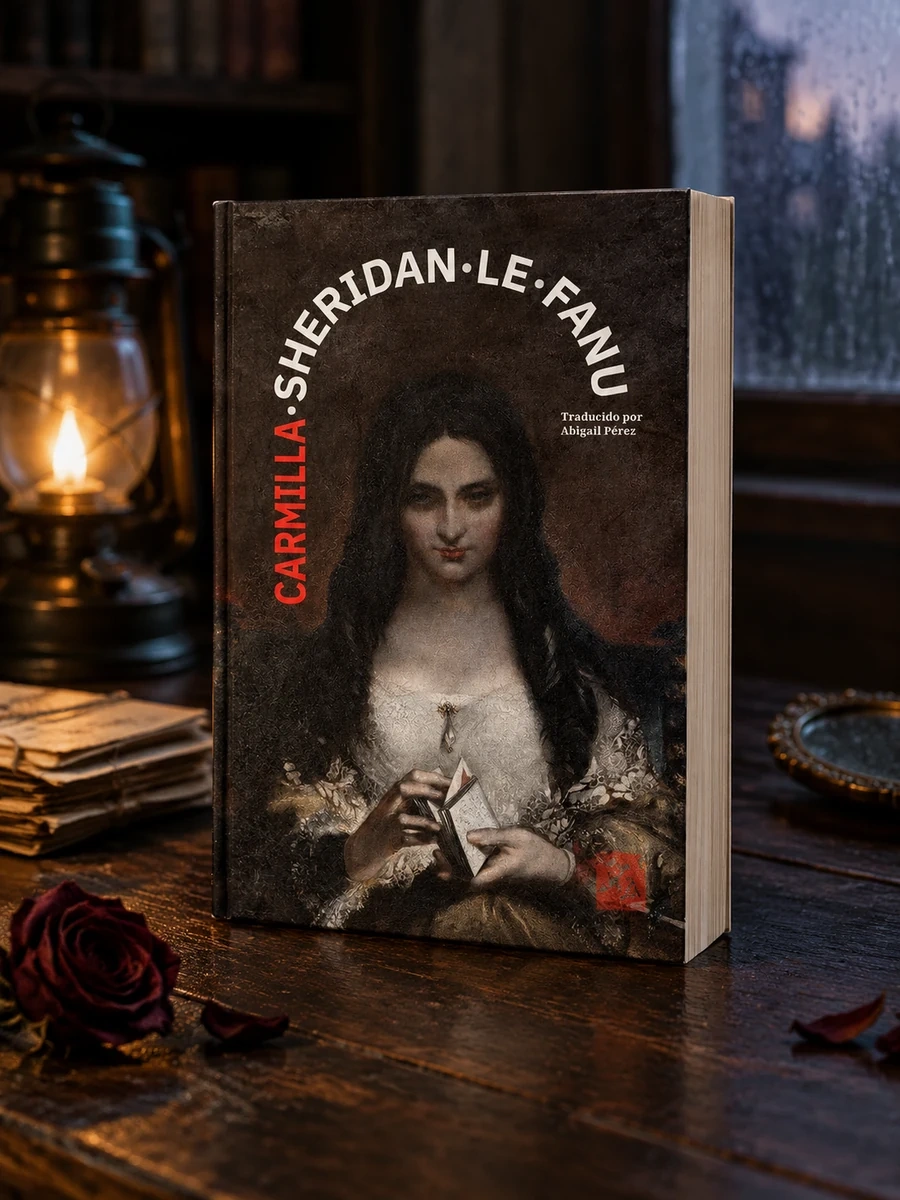
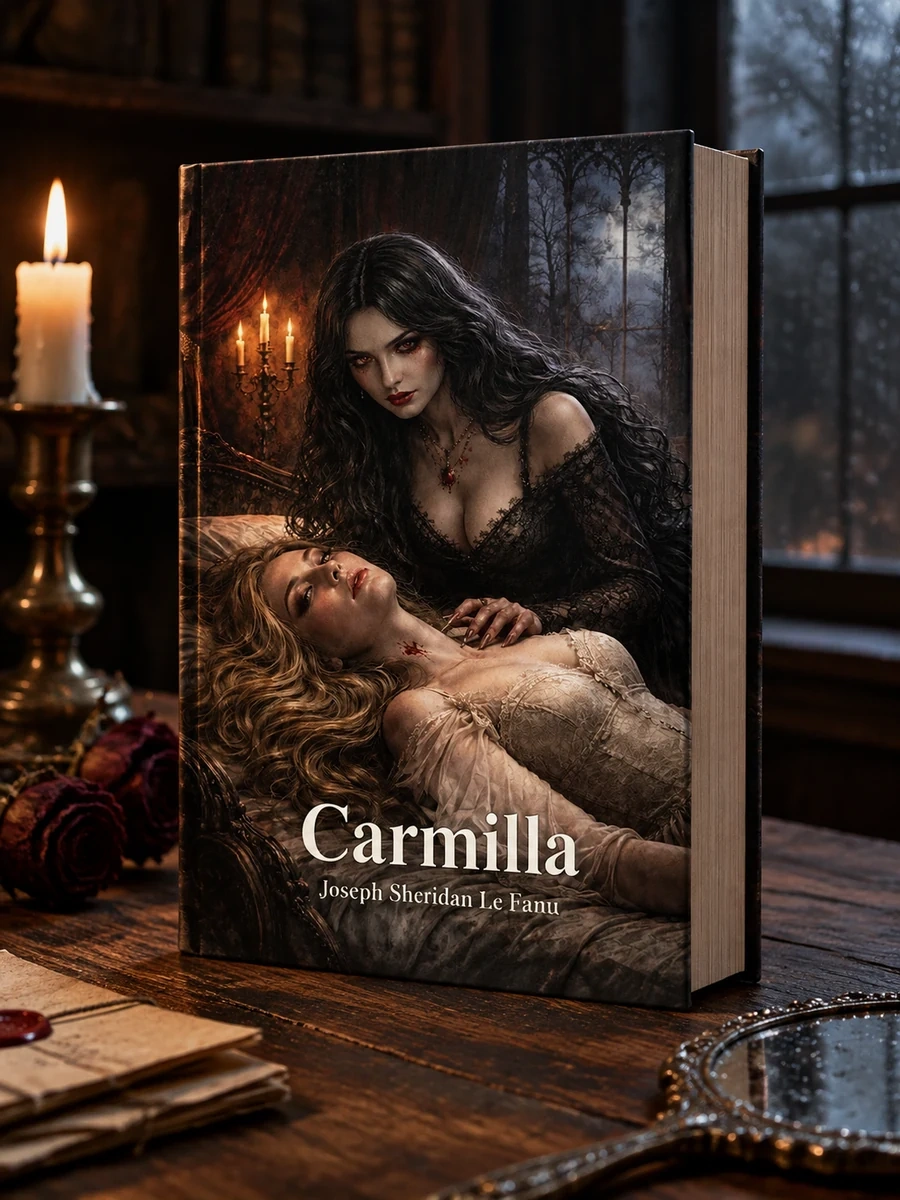
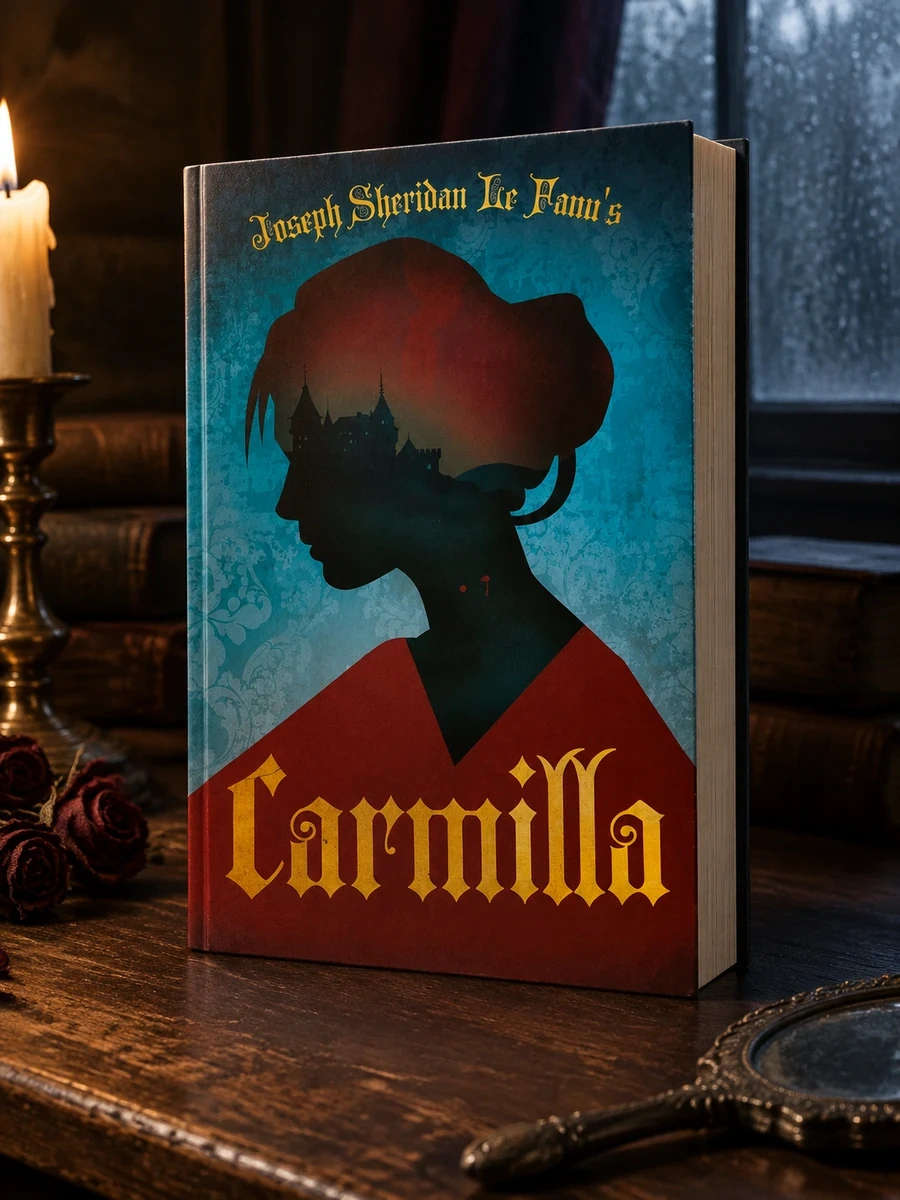
A dual edition pairing Le Fanu's Carmilla with Gomez's Caramelle.
The collection juxtaposes two significant works of supernatural fiction to examine the evolution of queer vampire narratives. By placing Le Fanu’s original novella alongside Gomez’s inspired short story, the volume highlights shifts in perspective and cultural context over time. Gomez’s foreword provides necessary background for understanding how her work dialogues with the classic text. This structure allows readers to trace thematic continuities and divergences between the two authors. The book does not offer new horror stories but rather a curated literary conversation. It is designed for those who appreciate the interplay between historical gothic traditions and modern reinterpretations of gender and desire in speculative fiction.
This volume bridges nineteenth-century gothic literature with contemporary queer writing. It connects Le Fanu’s Victorian era context to Gomez’s modern perspective, showing how supernatural themes adapt across time. The pairing reflects ongoing literary conversations about identity and genre evolution in horror and speculative fiction.


📝 Description: Caramelle & Carmilla
💎 Our verdict on Caramelle & Carmilla
📖 Why choose it
Why this book is worth reading
Readers interested in lesbian literature, vampire mythology, and comparative literary studies will find this pairing compelling. It offers a unique opportunity to trace thematic continuities and divergences between historical gothic traditions and modern reinterpretations. By juxtaposing Le Fanu’s original novella with Gomez’s inspired short story, the book allows enthusiasts to analyze how classic tales are reimagined in new settings. Those who appreciate the interplay between historical horror and contemporary gender dynamics will gain significant insight into the genre's development. The inclusion of critical framing aids understanding for those seeking depth beyond straightforward horror plots.
⭐ Reader reviews
Reader rating
This collection succeeds as a sophisticated bridge between eras, offering more than simple horror entertainment. It provides a vital academic and literary lens through which to view the queer vampire subgenre. Gomez’s foreword effectively contextualizes the dialogue between the two texts, making it an ideal resource for comparative studies. While readers seeking immediate thrills without thematic depth may find the critical framing less engaging, others will appreciate the nuanced exploration of desire and narrative evolution. It is a thoughtful, necessary contribution to the canon that rewards careful reading.