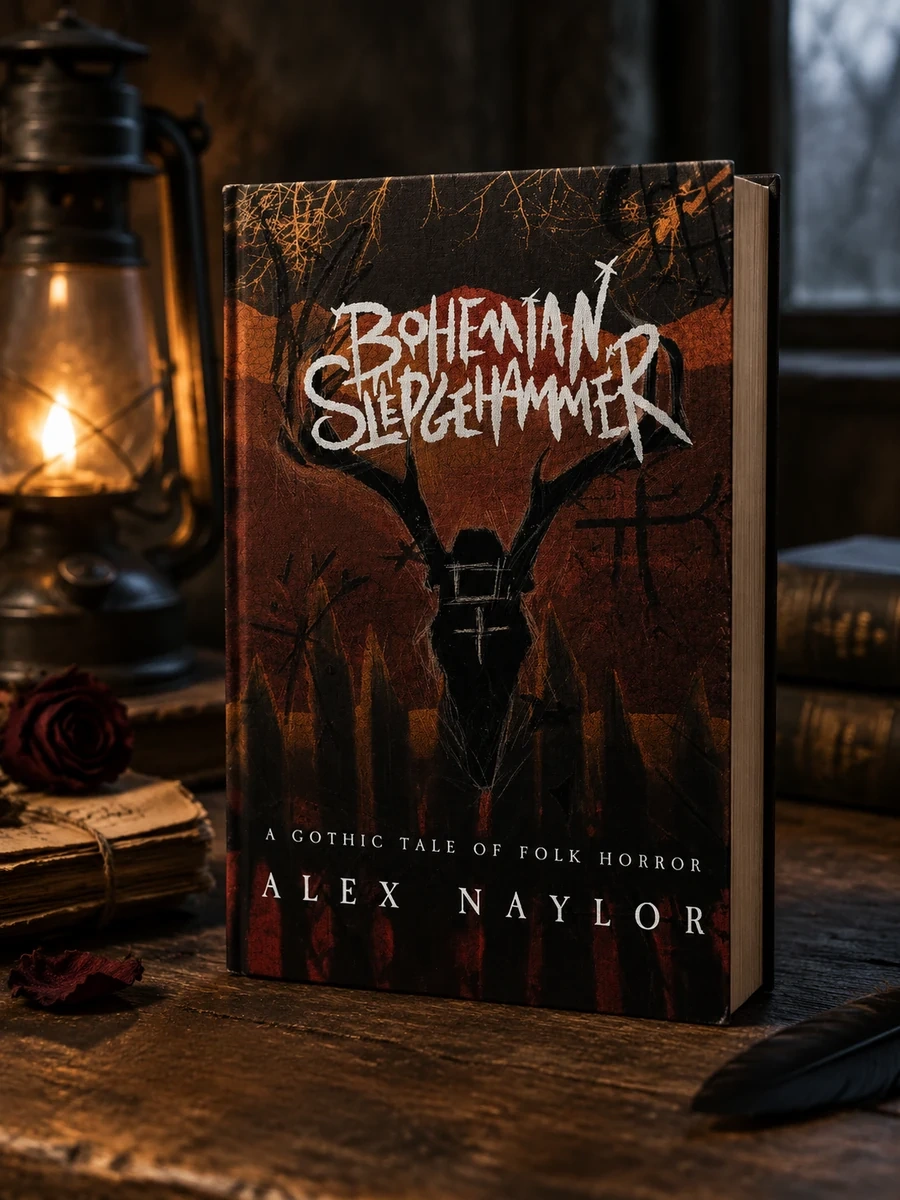
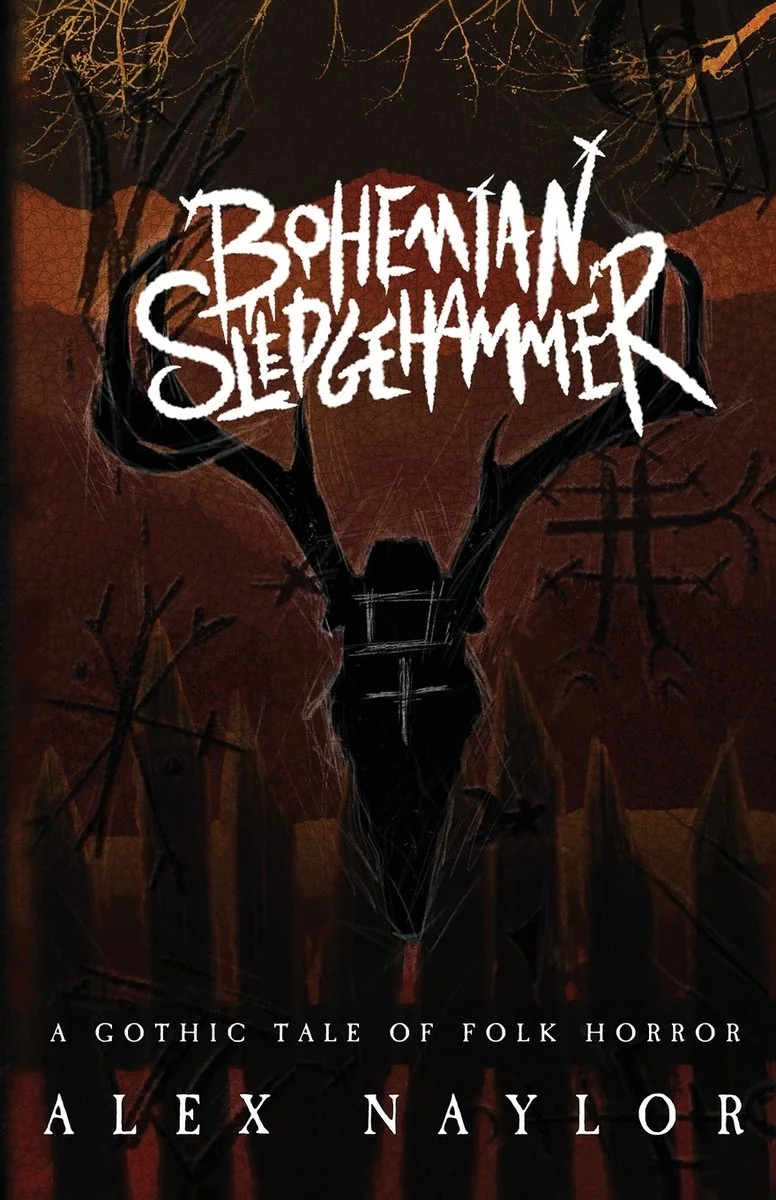
Bohemian Sledgehammer: A Gothic Tale of Folk Horror
A man enters a diseased mountain range and finds a cult that traps him forever.
Briar’s journey begins with greed but ends in entrapment. He enters the mountains seeking wealth, only to find a society that has survived by consuming outsiders. The text describes the physical environment as hostile, with shifting wilderness and rotting air. This setting mirrors the moral decay of the cult members. Naylor uses the folklore tradition to explain their longevity and power. The narrative does not offer redemption for Briar. It serves as a warning about the cost of ignoring local warnings. The story highlights how isolation allows such groups to maintain control without interference from authorities or neighbors.
The work sits within the Appalachian folk horror tradition, drawing on regional legends of hidden communities and mountainous isolation. It reflects contemporary interest in rural American mystery and the supernatural elements found in local oral histories.


📝 Description: Bohemian Sledgehammer: A Gothic Tale of Folk Horror
💎 Our verdict on Bohemian Sledgehammer: A Gothic Tale of Folk Horror
📖 Why choose it
Why this book is worth reading
Readers who appreciate slow-burn atmospheric terror and deep dives into rural isolation will find this narrative deeply engaging. It offers a compelling study of how physical environments can mirror moral decay, creating a sense of dread that feels grounded in place rather than relying on jump scares or urban settings. The book is ideal for those interested in the psychological toll of entering hostile landscapes and the inevitable consequences of ignoring local warnings. By focusing tightly on the interaction between an outsider and a cryptic cult, it provides a chilling examination of trust and entrapment without offering redemption, making it a perfect choice for fans of grim, place-driven horror.
⭐ Reader reviews
Reader rating
Naylor effectively utilizes the hostile mountain environment to create a suffocating atmosphere where reality blurs into nightmare. The narrative excels in portraying the psychological weight of isolation, showing how hospitality can mask dark intentions with terrifying precision. The slow-burn pacing allows for a thorough exploration of Appalachian horror tropes, grounding the dread in specific cultural and geographical contexts. This approach suits readers who prefer atmospheric tension over fast-paced action. While it may not appeal to those seeking urban thrillers or quick resolutions, it delivers a potent warning about the costs of greed and curiosity. The steadfast focus on the cult's rituals and the landscape's malice ensures a cohesive and unsettling reading experience.