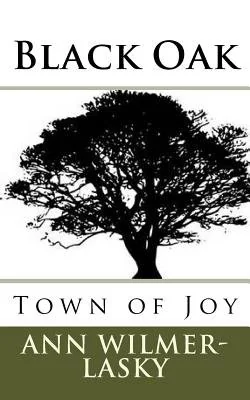
Black Oak: Town of Joy
A Western horror tale about a family haunted by a hanging.
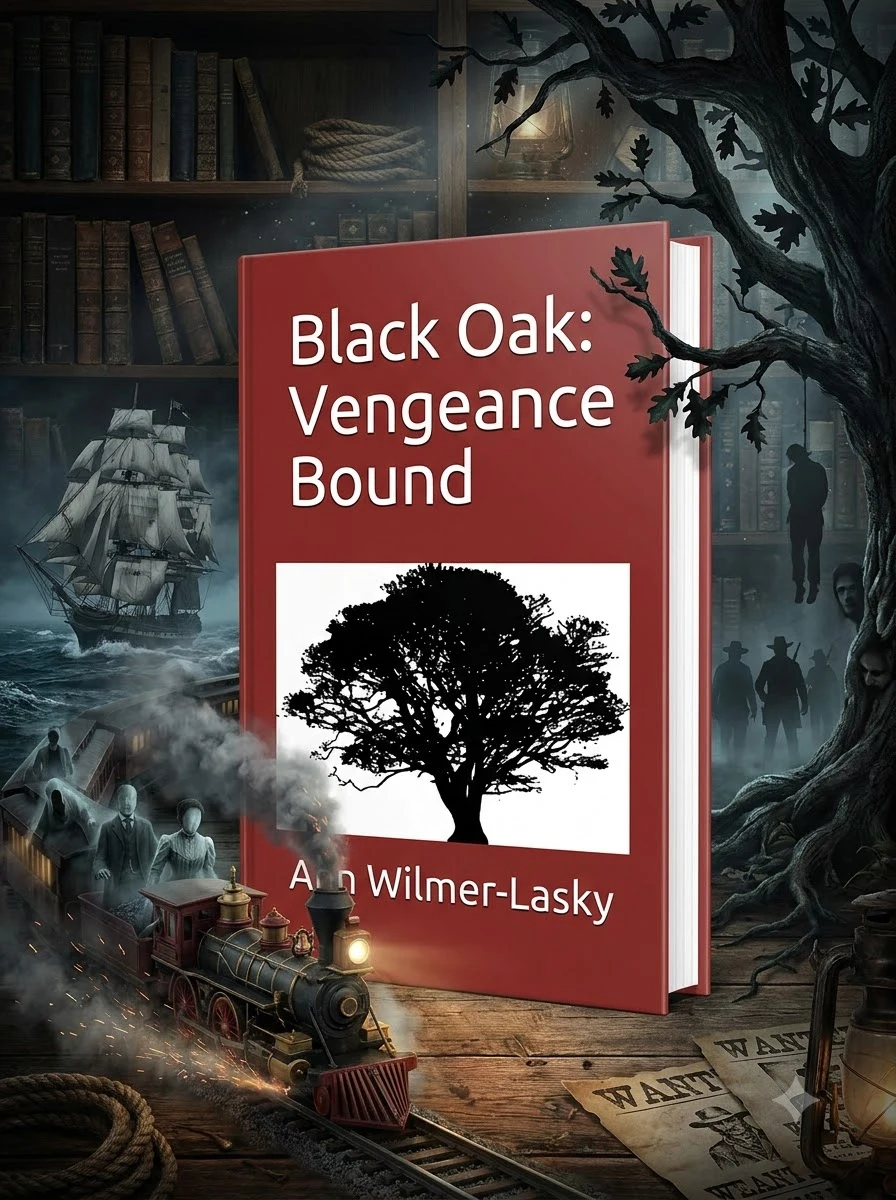
The book explores the psychological and physical toll on Nedra Beckett and her brothers after they execute Jayce Treml. Their secret guilt manifests as terrifying phenomena in Joy, including strange animal sightings and unexplained deaths. The community's attempts to solve the problem through bounty hunting fail completely. This failure highlights the futility of ignoring deeper spiritual or moral rot. Wilmer-Lasky uses the setting near Laramie to ground the supernatural events in a tangible reality. The prose focuses on the family's desperate desire to escape their current situation and return to Whitechapel.
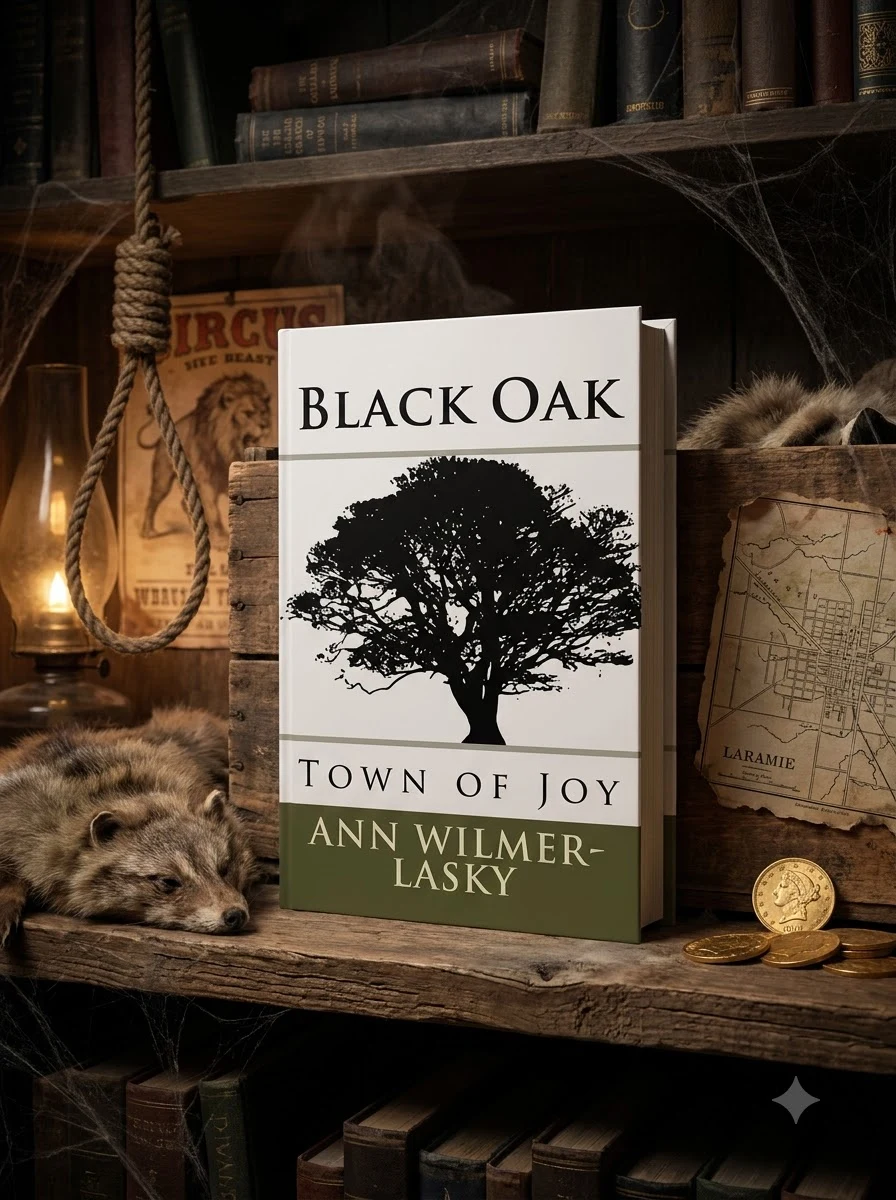
The narrative is situated in the Old West near Laramie, specifically within the town of Joy. It utilizes traditional Western tropes such as cowhands, ranchers, and gold pieces to frame a gothic horror story. The setting provides a stark backdrop for the supernatural events that plague the community after the hanging.


📝 Description: Black Oak: Town of Joy
💎 Our verdict on Black Oak: Town of Joy
📖 Why choose it
Why this book is worth reading
Readers interested in the intersection of historical Western settings and supernatural dread will find this title compelling. It appeals to those who enjoy exploring the psychological toll of guilt and the futility of ignoring spiritual consequences. Fans of gothic fiction set in rugged landscapes will appreciate the tangible reality grounding the terrifying phenomena. Those seeking a narrative that examines mob justice and lingering past sins, rather than straightforward historical accounts or light romance, will gain from its unsettling tone and lack of easy resolutions.
⭐ Reader reviews
Reader rating
Wilmer-Lasky effectively merges Western traditions with supernatural horror, creating a tense atmosphere where the community's ignorance clashes with the Beckett family's burden. The prose successfully grounds eerie phenomena in a tangible reality near Laramie, enhancing the gothic mood. While the narrative lacks easy resolutions, it offers a poignant examination of moral rot and the physical toll of secret guilt. This book suits readers who appreciate psychological horror and dark fantasy elements over conventional historical fiction. It is best for those willing to engage with unsettling themes and a futility-driven plot that highlights the failure of bounty hunting to address deeper spiritual issues.