Beyond Bigfoot
A horror novel about Bigfoot and a murder on the Appalachian Trail
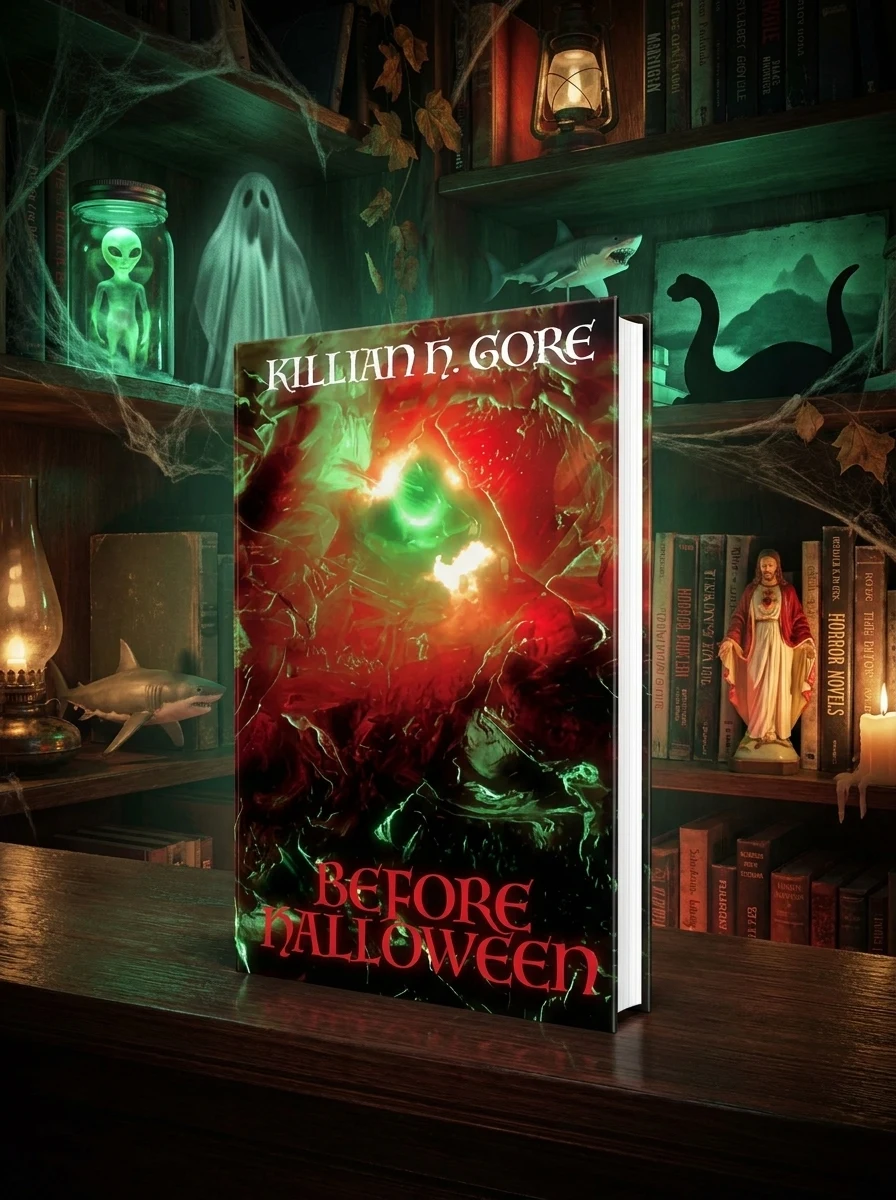
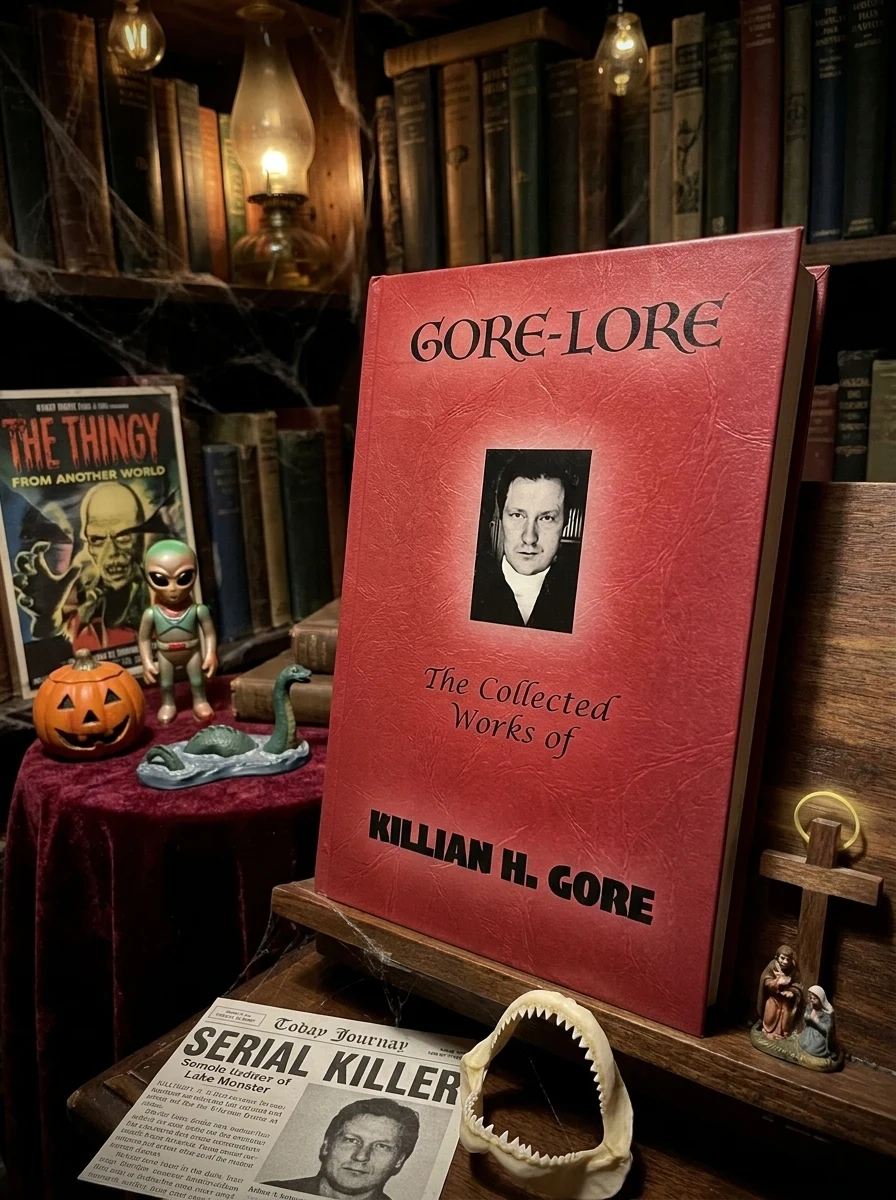
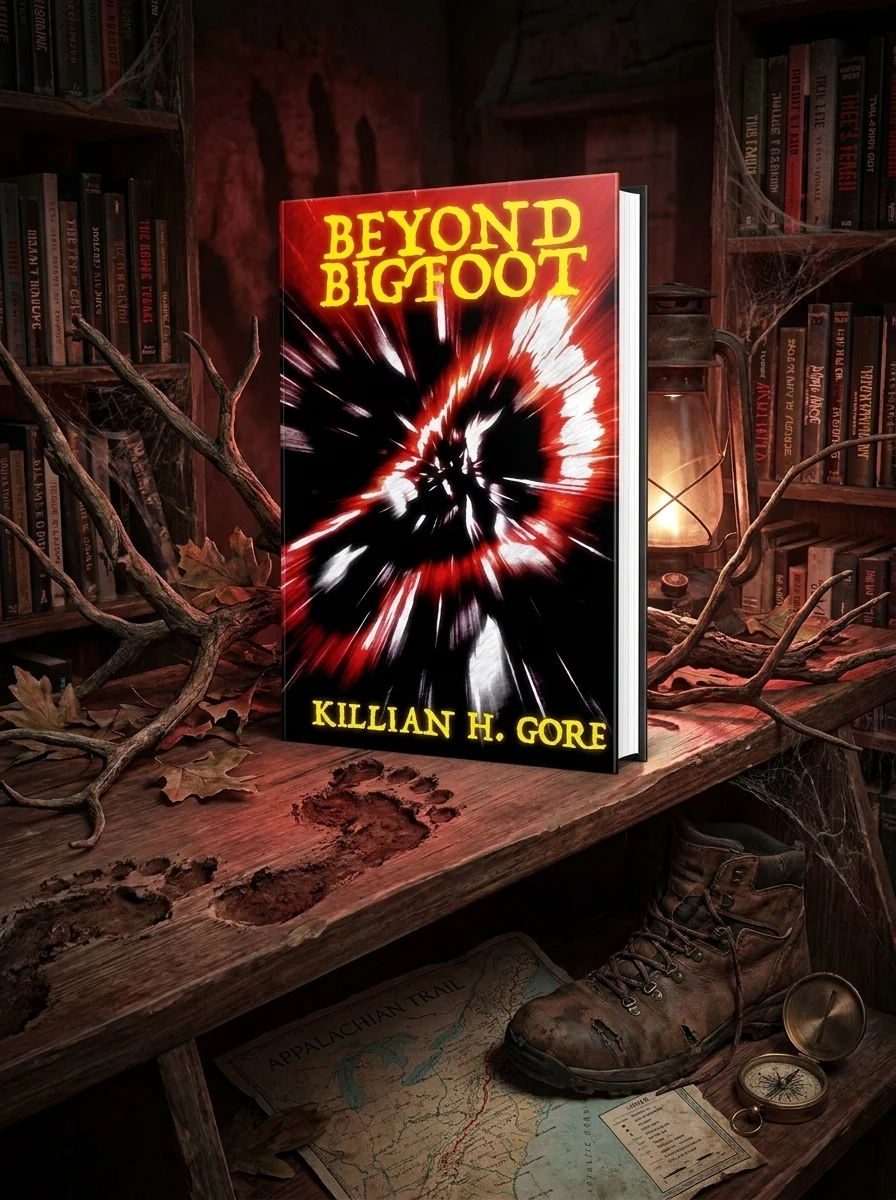
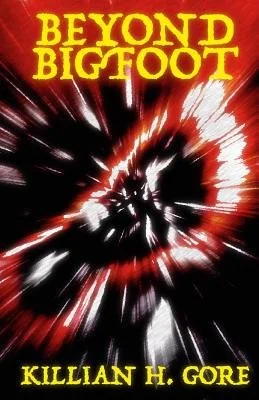
Killian H Gore writes a fictional account where a grisly murder occurs in the Appalachian woods. British mother Crystal suspects she knows who committed the crime. The narrative asks if the legendary creature is the killer or something else entirely. Gore uses horror tropes to create suspense around the unknown entity. The story focuses on Crystal’s internal dread and her connection to the event. It does not provide scientific evidence or historical context for Bigfoot sightings. The work is purely a work of supernatural fiction designed to unsettle the reader.
This 2015 publication by Killian H Gore sits within the tradition of American horror fiction. It engages with the folklore surrounding the legendary creature known as Bigfoot. The setting on the Appalachian Trail grounds the supernatural elements in a real geographic location familiar to many readers.


📝 Description: Beyond Bigfoot
💎 Our verdict on Beyond Bigfoot
📖 Why choose it
Why this book is worth reading
Readers who enjoy atmospheric horror set in dense, isolated forests will find this novel compelling. It appeals to those interested in the ambiguity of cryptid legends and the psychological impact of witnessing unspeakable violence. The book is ideal for fans who prefer character-driven dread over complex academic structures or scientific analysis. Those seeking a pure fictional experience focused on internal terror and suspense will appreciate the narrative's focus on Crystal’s intuition. It offers a unsettling exploration of the boundary between man, beast, and the supernatural without providing easy answers.
⭐ Reader reviews
Reader rating
Killian H Gore delivers a tense, atmospheric tale that leverages the iconic fear of Bigfoot to create genuine suspense. The novel excels in establishing a mood of profound dread through Crystal’s grounded perspective, making the unknown presence feel immediate and threatening. By focusing on emotional reaction rather than lore, Gore successfully unsettles the reader. This work is best suited for fans of gothic horror and supernatural fiction who enjoy ambiguous endings and psychological tension. It avoids the pitfalls of pseudo-documentation, remaining firmly in the realm of fiction. Readers seeking historical context should look elsewhere, but those wanting a visceral, fear-based narrative will find much to appreciate in this focused exploration of wilderness terror.