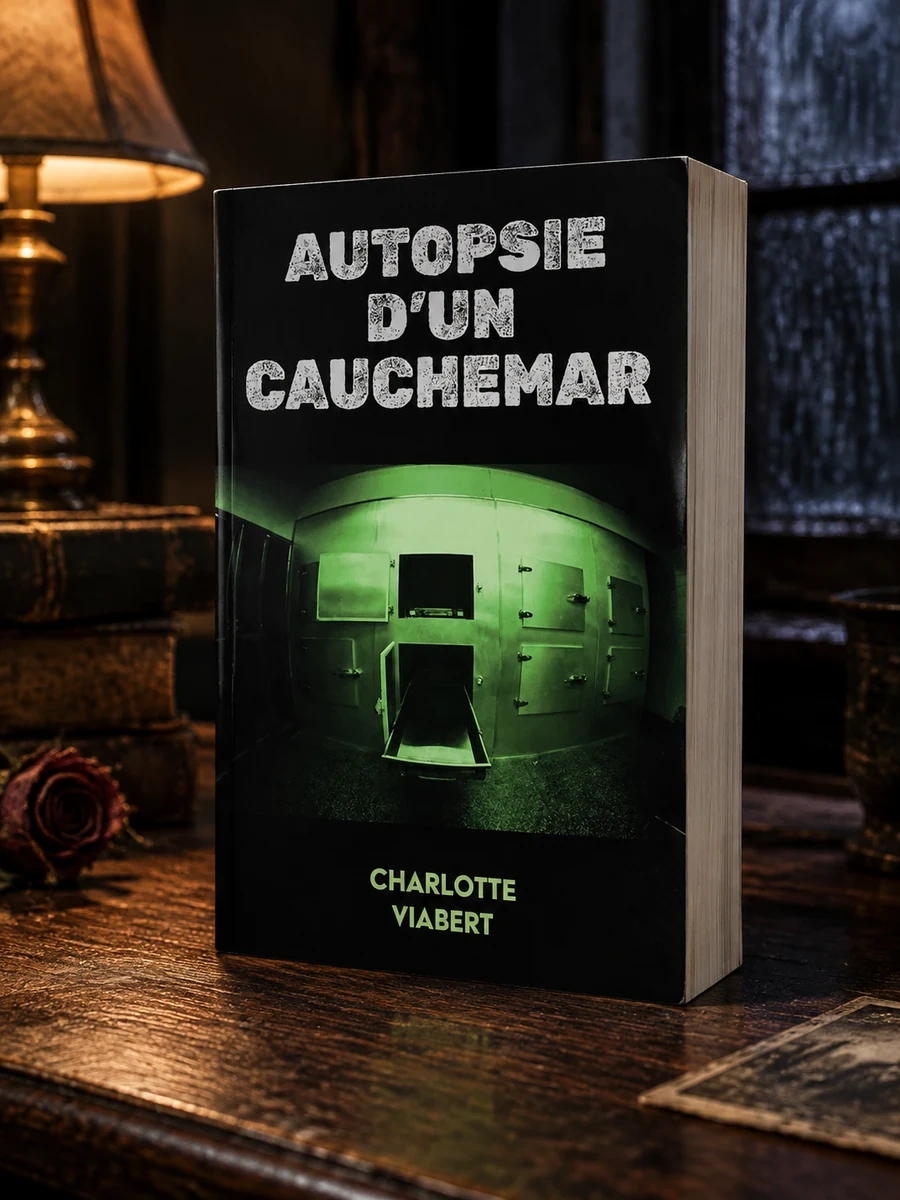
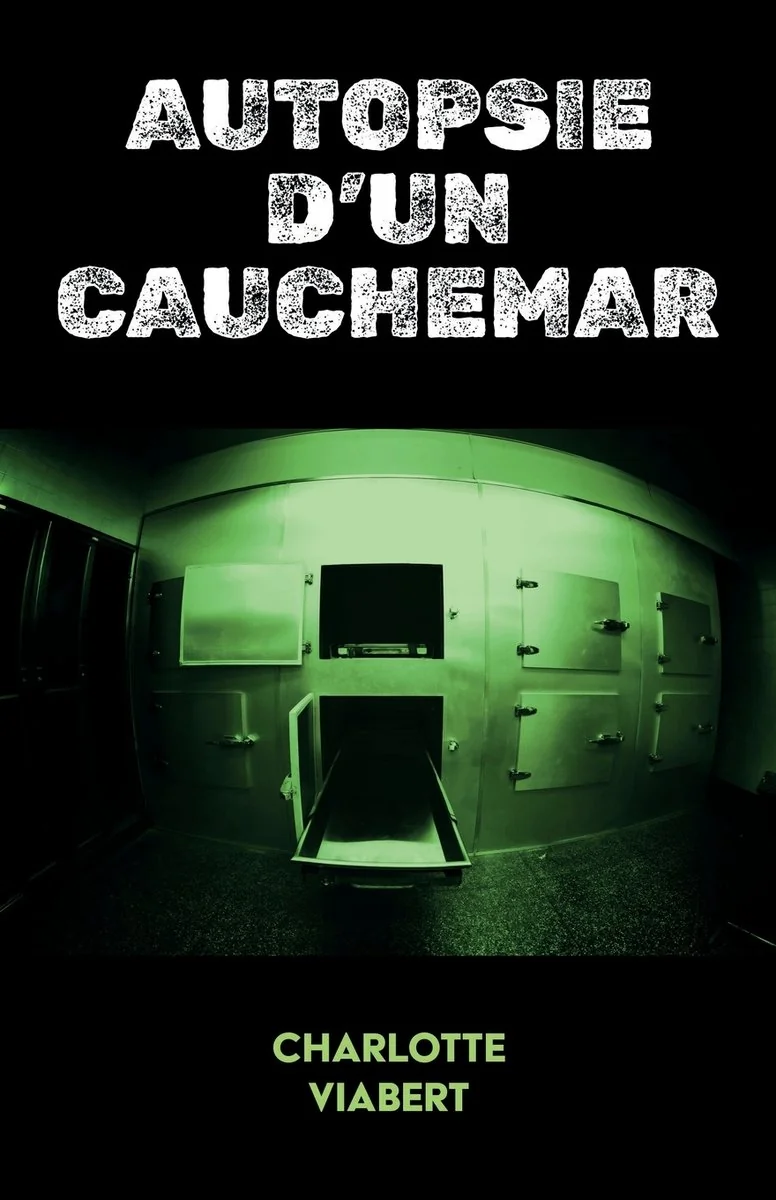
Autopsie d'un cauchemar
A forensic pathologist investigates a serial killer whose signature changes in this supernatural mystery.
Viabert constructs a narrative where professional duty collides with personal horror. Martine Goutras uses her medical expertise to uncover clues while Charline explores occult traditions through Lea. The text examines how inherited secrets can manifest as physical danger. It focuses on the psychological impact of violence on families and communities. The story questions whether supernatural forces or human malice drive the events in Montse.
Published by Librinova in 2024, this French work draws on gothic horror traditions. It situates itself within contemporary supernatural fiction that blends crime thriller mechanics with occult mystery elements for a modern audience.


📝 Description: Autopsie d'un cauchemar
💎 Our verdict on Autopsie d'un cauchemar
📖 Why choose it
Why this book is worth reading
Readers who enjoy the intricate blending of forensic science and supernatural elements will find this narrative compelling. It is ideal for those fascinated by how professional duty intersects with personal horror and inherited secrets. The story appeals to individuals interested in the psychological impact of violence on families and communities, offering a deep dive into family dynamics under extreme pressure. Those who appreciate ambiguous endings and complex character relationships over straightforward resolutions will gain the most. The book offers a unique perspective on how past traumas manifest as physical danger, making it suitable for fans of atmospheric horror that prioritizes mood and thematic depth over clear-cut answers.
⭐ Reader reviews
Reader rating
Viabert effectively merges the structured logic of a police procedural with the unsettling ambiguity of gothic horror. The dual narrative, focusing on both forensic investigation and occult discovery, creates a rich tapestry of tension. Martine’s clinical approach contrasts sharply with Charline’s exposure to mystical forces, highlighting the theme of inherited secrets. While the tone may unsettle readers preferring clear-cut mysteries, this ambiguity serves the story’s exploration of trauma. The characterization of the killer’s evolving signature adds a layer of psychological dread. It is best suited for those who enjoy atmospheric horror where the supernatural and the criminal overlap, offering a thought-provoking examination of how nightmares blur into reality without providing easy resolutions.